
All Viruses articles – Page 46
-
 News
NewsAirborne fungal spores may help predict COVID-19 & flu surges
Monitoring fungal spores in the outdoor air can predict surges in flu and COVID-19 infections, especially during the fall, according to a new study
-
 News
NewsStudy links influenza A viral infection to microbiome, brain gene expression changes
Infection with influenza A is found to be associated with disruptions in newborn piglets’ nasal and gut microbiomes and with potentially detrimental changes in gene activity in the hippocampus, a brain structure that plays a central role in learning and memory.
-
 News
NewsSupercharged HIV vaccine could offer strong protection with just one dose
Researchers have shown that they can generate a strong immune response to HIV with just one vaccine dose, by adding two powerful adjuvants — materials that help stimulate the immune system.
-
 News
NewsVaccine disguised as a virus tricks the body into stronger immunity
A simple addition to mRNA vaccines can significantly enhance their effectiveness. Scientists have shown that mice develop a stronger and longer-lasting immune response when the mRNA vaccine is disguised as virus-like particles.
-
 News
NewsHerpes virus plays interior designer with human DNA
Researchers have discovered the cold sore virus reshapes the human genome’s architecture, rearranging its shape in three-dimensional space so that HSV-1 can access host genes most useful for its ability to reproduce.
-
 News
NewsUnderstanding inflammatory bowel disease: An integrative framework of microbiome, metabolome, and immunological biomarkers
A new review underscores the interconnected roles of microbial, metabolic, and immune biomarkers in IBD. While current biomarkers lack universal specificity, integrative approaches and AI-driven analyses offer transformative potential for precision medicine in IBD care.
-
 News
NewsVirus transmission between bee species does not lead to new variants
A new study has found transmission of viruses between different bee species did not lead to the formation of new virus variants, a rare bit of good news for bee pollinators, which have been in decline for over 25 years.
-
 News
NewsScientists discover key protein that enables ‘shock & kill’ strategy for HIV latent virus clearance
Researchers have identified a specific gene transcription factor, BRD9, as a potential key to unlocking the mechanisms behind HIV-1 latency.
-
 News
NewsImmune ‘dysregulation’ present prior to infection predicts severe responses
A study shows that a common gene signature of immune health or dysfunction predicts severe outcomes from infection, and is present in people with known risk factors such as being a smoker or having a high body mass index, even before they encounter a pathogen.
-
 News
NewsWar, trade and agriculture spread rice disease across Africa
Since the mid-1800s, human activities have rapidly facilitated the spread of rice yellow mottle virus (RYMV), a pathogen that infects rice, far and wide across Africa, according to a new study.
-
 News
NewsScientists decipher HIV-1 transcription initiation and elongation from single-molecule imaging data
Scientists have developed a dual-driven framework based on single-molecule imaging data and stochastic dynamic modeling to infer HIV-1 transcription dynamics.
-
 News
NewsLaunch of first-in-human clinical trial of next-generation rotavirus vaccine delivered via dissolvable microarray technology
Scientists have announced the first clinical trial of a novel rotavirus vaccine, CC24, delivered via dissolvable microarray technology, is now enrolling participants.
-
 News
NewsBroad-spectrum coronavirus drug developed through AI-enabled dynamic modeling
Multidisciplinary AI- and physics-driven modeling of the viral fusion process enables discovery of an orally available drug inhibiting infection with multiple coronaviruses.
-
 News
NewsResearchers discover protein necessary for SARS-CoV-2 to evade the body’s defenses
Researchers have identified a protein that plays a key role in helping SARS-CoV-2 hide from the body’s defenses by suppressing the production of viral double-stranded (dsRNA), leading to increased viral replication while limiting the body’s immune response.
-
 News
NewsVaccinated patients hospitalized with COVID-linked acute kidney injury less likely to need dialysis after discharge
Vaccinated patients hospitalized with COVID-19 who developed acute kidney injury had better outcomes than unvaccinated patients with the same condition, new research suggests. The study found vaccinated patients were less likely to stay on dialysis after discharge, and more likely to survive, than unvaccinated patients.
-
 News
News Ribosome profiling identifies thousands of new viral protein-coding sequences
With the help of a technique called Massively Parallel Ribosome Profiling (MPRP), scientists have identified more than 4000 open reading frames (ORFs) across 679 human-associated viral genomes.
-
 News
News2 million Americans with hepatitis C at risk if Supreme Court cancels free preventative care, study finds
A ruling overturning the Affordable Care Act (ACA) coverage mandate has the potential to dramatically change the landscape for early detection and treatment of hepatitis C virus in the U.S., according to a new paper.
-
 News
NewsPeople with inflammatory RMD tolerate zoster vaccine well, study finds
New work presented at the 2025 annual EULAR congress in Barcelona focuses on the recombinant zoster vaccine (RZV), which contains recombinant glycoprotein E – the major target of CD4+T-cells. The abstract describes the tolerability and safety of RZV in patients with inflammatory rheumatic and musculoskeletal diseases (iRMD).
-
 News
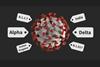
NewsGeographic bias in virus naming: Lessons from coronavirus show it’s better to act early
A new study highlights the need to avoid geographically-based naming right from the outset of a pandemic. It analyzes the impact of the WHO’s introduction of the Covid nomenclature based on Greek letters - Alpha, Beta, Delta, etc.
-
 News
NewsStudy indicates that severe forms of COVID-19 infection in children may increase cardiovascular disease risks
Scientists analysed blood samples from 147 children across different COVID-19 conditions and identified significant metabolic disruptions beyond the acute viral infection phase. These alterations affect how the body processes fats (triglycerides and cholesterol) critical to healthy heart structure.