
All Early Career Research articles – Page 12
-
 News
NewsMissing microbes in UK infant gut and probiotics highlighted by global microbiome atlas
A global atlas mapping two key gut bacteria in infants around the world has uncovered a treasure trove of bacterial strains adapted to the infant gut and not found in commercial probiotic products. It lays the foundation for more effective, tailored infant probiotics.
-
 News
NewsInvasive death cap mushrooms are changing their chemistry
Scientists have just published new research about the chemistry of death cap mushrooms (Amanita phalloides) - the species is not only spreading rapidly as an invasive fungal species in the United States, but the move across continents has changed the chemistry of the species.
-
 News
NewsNovel vaccine protects against C. diff disease and recurrence
A novel vaccination approach cleared the harmful gut bacterium Clostridioides difficile in an animal model of infection. An experimental vaccine administered to the mucosal lining of the colon protected against illness, death, tissue damage and infection recurrence.
-
 News
NewsMacrophage immune cells need constant reminders to retain memories of prior infections
Researchers have discovered that immune cells known as macrophages remain poised to fight repeat infections due to the persistent presence of signaling molecules left behind during previous infections.
-
 News
NewsHow bacteria may promote breast cancer
Researchers have discovered how certain pathogenic bacteria in gut and breast tissue can promote breast cancer development and progression by hijacking a key metabolic enzyme known as spermine oxidase (SMOX).
-
 News
NewsScientists develop first-of-its-kind antibody to block Epstein Barr virus
Using mice with human antibody genes, scientists have developed new genetically human monoclonal antibodies that prevent two key antigens on the surface of the Epstein Barr virus (EBV) from binding to and entering human immune cells.
-
 Careers
Summer Studentship: novel antivirals and host-virus interactions
Jessica Harris reports back on her Summer Studentship at De Montfort University, and her research into how plant-derived compounds affect viruses, and whether combining these antivirals might increase viral inhibition.
-
 News
NewsRhododendron-derived drugs now made by bacteria
Bioengineered E. coli bacteria can now produce a group of compounds with anticancer, anti-HIV, antidiabetic and anti-inflammatory activities. The compounds, orsellinic acid-derived meroterpenoids, are produced by Rhododendron species.
-
 News
NewsProposals for exploring viruses and skin as the next experimental quantum frontiers share US$30,000 science award
Viruses exist at the boundary between living and non-living matter, while skin is a living interface between physics and biology, making them perfect—but until now overlooked—arenas for testing the interplay between quantum physics, biology and life.
-
 News
NewsAvian malaria widespread across Hawaiʻi bird communities, new study finds
A new study shows that avian malaria can be transmitted by nearly all forest bird species in Hawaiʻi, helping explain why the disease is present almost everywhere mosquitoes are found across the islands.
-
 News
NewsBacterial hitchhikers can give their hosts super strength
Molecular hitchhikers living within bacteria can make their hosts extra resistant to medical treatment by corralling them into tightly packed groups. The study introduces a previously unknown avenue through which bacterial infections can become more difficult to treat.
-
 News
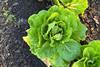
NewsTexas-grown cabbage meets global tradition in kimchi research
Researchers are turning Texan produce into kimchi as part of a study that links fermentation science, food safety and new market opportunities for U.S. farmers. The research examines how Texas-grown cabbage and other leafy greens perform during kimchi fermentation.
-
 News
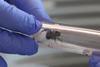
NewsBee bandits: ecologists study mutualistic plant-pollinator-microbe interactions
Researchers studying nectar-robbing behavior in bumble bees suspect other organisms beyond plants and pollinators may be aiding and abetting pollinators in nectar-robbing behavior.
-
 News
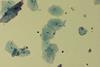
NewsResearchers discover that vaginal bacteria don’t always behave the same way
By analyzing vaginal microbiome data at unprecedented resolution, researchers have identified 25 distinct vaginal microbiome types and demonstrated that bacteria of the same species can differ substantially in their functional potential, thereby affecting how these microbes interact with the body.
-
 News
NewsLarge-scale study analyses the impact of climate on Legionnaires’ disease in Catalonia
A study has analysed the relationship between climatic conditions, the presence of Legionella in water systems and cases of Legionnaires’ disease in Catalonia. The link between these different factors highlights the need to adapt prevention and surveillance strategies in the context of climate change.
-
 News
NewsFrom ambassadorship to action: Leading a national scientific writing and publishing workshop in the UK
Medical Microbiologist and Antimicrobial Resistance Researcher Dr. Oluwole Owoyemi, ASM Young Ambassador to the UK, reveals why he designed a scientific writing and publishing workshop for early career scientists - and how it went.
-
 News
NewsOysters play unexpected role in protecting blue crabs from disease
Oysters famously filter their surrounding water, but it turns out they are removing more than algae and excess nutrients. New research shows they can also reduce the spread of disease in nearby marine species, including Chesapeake Bay’s prized blue crabs.
-
 News
NewsNew study reveals a minimalist bacterial defense that disrupts viral assembly
Researchers describe how a single protein named Rip1 recognizes bacteriophages, the viruses that infect bacteria, and cause infected bacteria to die prematurely, thereby ending the chain of transmission.
-
 News
NewsA mint idea becomes a game changer for medical devices
Researchers have developed a high‑performance coating made from peppermint essential oil that can be applied to the surfaces of many commonly used medical devices, offering a safer way to protect patients from infection and inflammation.
-
 News
News A fungus living in our body can make melanoma more aggressive
A study has for the first time established the mechanism by means of which the Candida albicans fungus makes melanoma more aggressive. It activates several signalling pathways in the melanoma cells, creating an environment that helps to reprogram angiogenesis and metabolism.