
All Early Career Research articles – Page 22
-
 News
News‘Controlled evolution’ dramatically boosts pDNA production for biomedical manufacturing
Researchers have controlled the evolution of E. coli bacteria in the lab in order to dramatically increase the amount of plasmid DNA (pDNA) these modified bacteria produce. pDNA is an essential – and expensive – ingredient in many gene therapies.
-
 News
NewsLignin is effective against viruses and bacteria
Lignin, a polyphenol, has antimicrobial activity against viruses and bacteria. An by-product from wood industry, lignin has potential as promising green alternative to synthetic antimicrobial agents for coating agents, packaging material, or surface disinfectants.
-
 News
NewsBee and frog proteins: nature’s double defense against farm superbugs
A new study reveals that combining natural antimicrobial peptides can significantly slow the development of antimicrobial resistance in bacteria. Using two peptides together prevents harmful bacteria from mutating as quickly, offering a promising alternative to traditional antibiotics.
-
 News
NewsSeventy-year-old Parkinson’s drug shows promise against tuberculosis
A medication developed in the 1950s to treat Parkinson’s disease may offer a powerful new tool in the fight against tuberculosis. The study found that benztropine can dramatically reduce levels of TB-causing bacteria by boosting the body’s natural immune response.
-
 News
NewsCommon food thickeners – long thought to pass right through us – are actually digested
It turns out cellulose-based thickening agents can be digested. Researchers have shown that our gut bacteria can feed on these large molecules – thought to not be possible – thanks to enzymes that normally help us break down dietary fibre.
-
 News
NewsCommon food bacterium could help make vitamins cheaper and greener
A new study reveals how Lactococcus lactis, a common food bacterium, regulates the production of a key precursor in vitamin K₂ (menaquinone) biosynthesis. The bacteria produce enough of this precursor to support their growth while preventing toxic buildup.
-
 News
NewsResearchers discover all-new antifungal drug candidate in university greenhouse
A research team at McMaster University has discovered a new drug class that could someday lead to breakthrough treatments for dangerous fungal infections. The new molecules, dubbed coniotins, were isolated from a plant-dwelling fungus called Coniochaeta hoffmannii — the samples of which were collected from the McMaster ...
-
 News
NewsAI uncovers new antibiotics in ancient microbes
Researchers used artificial intelligence to identify previously unknown compounds in Archaea that could fuel the development of next-generation antibiotics.
-
 News
NewsGeorgia and Ukraine launch national Reproducibility Networks with support from the TIER2 project
Two new national Reproducibility Networks have been launched in Georgia and Ukraine with support from the TIER2 project – a step towards strengthening open, transparent, and high-quality research practices in Horizon Europe Widening participation countries.
-
 News
News4,000-year-old sheep reveals that livestock played a role in prehistoric plague infections
An ancient Yersinia pestis genome recovered from sheep sheds new light on a mysterious infectious disease that plagued prehistoric Eurasia for over 2000 years.
-
 News
NewsCopper antimicrobials can drive antibiotic resistance in bacteria, but there’s a fix, scientists say
Microbiologists have found that heavy use of copper antimicrobials can drive antibiotic resistance in bacteria. However, resistance quickly diminishes without copper exposure, suggesting that copper could help reduce antibiotic resistance if alternated with other measures.
-
 News
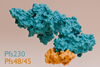
NewsRevealed: New vaccine target to block malaria transmission
Researchers have visualised a key protein complex in malaria parasites for the first time, uncovering a new target for next-generation vaccines that could help stop the disease from spreading.
-
 News
NewsSweet disguise: the human body hides RNA with sugar coatings
To our immune system, naked RNA is a sign of a viral or bacterial invasion and must be attacked. But our own cells also have RNA. To ward off trouble, our cells clothe their RNA in sugars, a new study reports.
-
 News
NewsNanoparticles that self-assemble at room temperature could transform vaccine delivery
Researchers have engineered polymer-based nanoparticles that form with a simple temperature shift—no harsh chemicals, no specialized equipment, and no processing needed. They can self-assemble at room temperature and deliver RNA to living cells.
-
 News
NewsResearchers create improved natural blue food dye from algae
Food scientists have created a natural blue food dye made of algae protein that could replace petroleum-based artificial food colorants with a stable, adaptable option.
-
 News
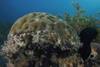
NewsCorals in Brazilian archipelago capture carbon equivalent to the burning of 324,000 liters of gasoline per year
A single species found in the Alcatrazes Archipelago, brain coral, produces around 170 tons of calcium carbonate annually. This represents the retention of approximately 20 tons of carbon in mineral form, which can last for centuries or millennia.
-
 News
NewsDancing against the current: Microbial survival strategy
In scalding hot water rushing through narrow channels, some bacteria have evolved a surprising survival technique: they cling to surfaces, stand upright, and sway rhythmically—like tiny street dancers fighting the flow.
-
 News
NewsAnti-neuroinflammatory natural products from isopod-related fungus now accessible via chemical synthesis
Herpotrichone is valued for its ability to suppress inflammation in the brain and protect nerve cells, but could only be obtained in minute quantities from fungi that are symbiotic with isopods. Researchers have succeeded in chemically synthesizing this rare natural product.
-
 News
NewsAssisted by sniffer dogs and DNA sequencing, researchers discover three new truffle species
Biologists studying fungal evolution and ecology have discovered three new truffle species, including one capable of commanding hundreds of dollars per pound within culinary circles.
-
 News
NewsNew imaging approach transforms study of bacterial biofilms
Scientists have reimagined the capabilities of atomic force microscopy, transforming it into a tool that captures large-scale biological architecture. This advance offers an unprecedented view of biofilm organization.