
All Editorial articles – Page 187
-
 News
NewsPhage expert Graham Hatfull elected as a Fellow of the Royal Society
Graham Hatfull, Eberly Family Professor of Biotechnology and HHMI Professor in the University of Pittsburgh Kenneth P. Dietrich School of Arts and Sciences, has been named a Fellow of the Royal Society.
-
 News
NewsCool science: Researchers craft tiny biological tools using frozen ethanol
Imagine drawing on something as delicate as a living cell — without damaging it. Researchers have made this groundbreaking discovery using an unexpected combination of tools: frozen ethanol, electron beams and purple-tinted microbes.
-
 News
NewsAdvanced genomics study improves detection of hard-to-find diarrheal infections
A study has used advanced genetic and genomic techniques to offer a major step forward in understanding and diagnosing infectious intestinal diseases. It analysed more than 1,000 stool samples from people with diarrhoeal illness to harness two cutting edge tools.
-
 News
NewsThe hidden drivers of aging: microbial influence on genomic stability and telomere dynamics
A new review synthesizes current evidence on how microbial dysbiosis accelerates aging by disrupting genomic integrity and telomere dynamics, while also exploring therapeutic strategies to promote healthy longevity.
-
 News
NewsBlood eosinophil count is associated with Pseudomonas aeruginosa infection but not the efficacy of inhaled tobramycin
A study has demonstrated that blood eosinophil counts (BECs) correlate with the disease severity, lung function, exacerbations in bronchiectasis, a chronic airway suppurative disease.
-
 News
NewsGlobal leaders reaffirm commitment to WHO with at least US$ 170 million raised at World Health Assembly 2025 pledging event
World leaders pledged at least an additional US$ 170 million to the World Health Organization (WHO) at a high-level pledging event Tuesday at the Seventy-eighth World Health Assembly in Geneva.
-
 News
NewsBiodiversity in Antarctic soils may be greatly underestimated after surprising discovery
Researchers have shown that previously unknown apparent mutualisms allow biodiversity to flourish to an unexpected degree in an extreme habitat: weathered debris in front of a glacier in Antarctica.
-
 News
NewsCold sore viral infection implicated in development of Alzheimer’s disease
Symptomatic infection with the virus responsible for cold sores around the mouth–herpes simplex 1, or HSV-1 for short—may have a key role in the development of Alzheimer’s disease, suggests a large pharma industry-funded US study.
-
 News
NewsScientists uncover key clues to how a viral infection can lead to arthritis-like disease
By studying Chikungunya virus, scientists have shed light on how immune responses to viral infections may lead to persistent symptoms of autoimmune disease.
-
 News
NewsNew blood test shows superior sensitivity in detecting HPV-associated head and neck cancers
A new liquid biopsy blood test could help detect cases of human papillomavirus (HPV)-associated head and neck cancers with significantly higher accuracy than currently used methods, including before patients develop symptoms.
-
 News
NewsWorld Health Assembly adopts historic Pandemic Agreement to make the world more equitable and safer from future pandemics
Member States of the World Health Organization (WHO) today formally adopted by consensus the world’s first Pandemic Agreement, following more than three years of intensive negotiations launched by governments in response to the COVID-19 pandemic.
-
 News
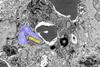
NewsSurvival trick: Pathogen taps iron source in immune cells
The body defends itself against pathogens by depriving them of vital iron. However, researchers have discovered that Salmonella bacteria specifically target iron-rich regions within immune cells to replicate, evading the immune defense.
-
 News
NewsBiosynthetic pathway discoveries mean we can halve the price of costly cancer drug
Researchers have identified the enzymes responsible for the two critical final steps in the biosynthetic pathway that makes the chemotherapy drug Taxol active as a drug, potentially opening it up to biotech based production.
-
 News
NewsGut bacteria and acetate offer a great combination for weight loss
Researchers have discovered a new way to reduce obesity - supplying the gut with extra acetate reduces fat and liver mass in both normal and obese mice, as long as bacteria of the Bacteroides species is also present in the gut.
-
 News
NewsResearchers reveal how microbes can swim without a brain
Many microorganisms can move in a goal oriented way in liquids, despite the lack of a complex nervous system. New research explains the behaviour of microorganisms, and could also enable nanobots to move in a targeted manner.
-
 News
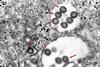
NewsCommon drugs can help viruses spread
JAK inhibitors are often prescribed for autoimmune diseases and inflammatory conditions such as rheumatoid arthritis, but scientists have found they also weaken the body’s natural defences against viruses.
-
 News
NewsResearch team traces evolutionary history of bacterial circadian clock on ancient Earth
To better understand the circadian clock in modern-day cyanobacteria, researchers studied ancient timekeeping systems. They examined the oscillation of the clock proteins in modern cyanobacteria, comparing it to the function of ancestral Kai proteins.
-
 News
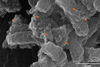
NewsCould nanoplastics in the environment turn E. coli into a bigger villain?
New research suggests certain nanoplastics may make foodborne pathogens more virulent. Nanoplastics with positively charged surfaces were more likely to cause physiological stress in E. coli O157:H7, making them pump out more Shiga-like toxin.
-
 News
NewsWHO validates Mauritania for eliminating trachoma as a public health problem
The World Health Organization (WHO) has validated Mauritania as having eliminated trachoma as a public health problem, making it the seventh country in WHO’s African Region to achieve this significant milestone.
-
 News
NewsHow the Epstein-Barr virus promotes its spread within the body
Researchers have discovered that the Epstein-Barr virus (EBV) increases the ability of infected immune cells to migrate. In this way, the pathogen promotes its spread in the body – a discovery that may have therapeutic implications.