
All Editorial articles – Page 206
-
 News
NewsSusceptibility to bovine TB in cattle traced to key genes
A new study identifying genetic factors contributing to bovine tuberculosis (bTB) susceptibility has found several key genes and pathways involved in the bovine response to Mycobacterium bovis, the causative agent of the disease in cattle.
-
 News
NewsNewer hepatitis B vaccine shows promise as booster for health care workers
A new study compares the effectiveness of Heplisav-B, a new hepatitis vaccine, vs. standard hepatitis B vaccines as a booster in previously vaccinated individuals.
-
 News
NewsEvaluating DNA impurities in recombinant adeno-associated virus
A new study indicates that DNA impurities derived from plasmid and host cell DNA are encapsulated into recombinant adeno-associated virus (rAAV) capsids as single-stranded DNA.
-
 News
NewsBiogenic construction: The new era of civil engineering
Inspired by the concept of harmonious coexistence between humans and nature, a new concept, biogenic construction, for civil engineering is proposed in a new paper.
-
 News
NewsNew study reveals a safer alternative for long-term hepatitis B treatment
Researchers have studied the effects of switching from long-term tenofovir disoproxil fumarate to the antiviral besifovir dipivoxil maleatein (BSV) in patients with chronic hepatitis B. Switching to BSV may improve patient kidney and bone health.
-
 News
NewsMany patients with chlamydia and gonorrhea are not receiving CDC-recommended treatment in primary care
Many patients with chlamydia and gonorrhea in primary care settings do not receive the recommended treatment, a new study reveals. This gap in care may contribute to ongoing STI transmission and adverse health outcomes, particularly among marginalized populations.
-
 News
NewsRapid and accurate diagnosis of urinary tract infections using targeted next-generation sequencing
A study shows that tNGS demonstrates advantages in rapid and accurate UTI diagnosis, particularly in detecting polymicrobial infections and analyzing antibiotic resistance genes. It shows promise as an effective complementary tool for UTI diagnostics.
-
 News
NewsBreaking antibiotic-resistant bacteria’s protective shields opens door for immune system response
Researchers have made progress in uncovering how Streptococcus pneumoniae constructs its capsule, which serves as a protective shield. This capsule is a primary target for vaccine development.
-
 News
NewsStudy evaluates airborne transmission risk of mpox compared to COVID-19 and smallpox
Scientists have found that the inhaled infectious dose of mpox is at least 100 times lower than that of SARS-CoV-2 and smallpox, making efficient respiratory aerosol transmission highly unlikely in its current form - but future viral evolution could alter this dynamic.
-
 News
News‘Low-sugar’ vaccine can provide broad immunity against coronavirus variants
A universal vaccine for coronaviruses removes sugar molecules from an area of a coronavirus spike protein that rarely mutates and creates effective and plentiful antibodies to inactivate the virus.
-
 News
NewsUKHSA highlights pathogens of greatest risk to public health in bid to boost preparedness
The UK Health Security Agency (UKHSA) has today published its view on the pathogen families that could pose the greatest risk to public health, in a bid to focus and guide preparedness efforts against these threats.
-
 News
NewsScientists ID natural products targeting SARS-CoV-2 - including caffeine
Researchers used computational methods to identify potential inhibitors of SARS-CoV-2 spike proteins, revealing promising natural compounds for guiding antiviral drug development, including caffeine.
-
 News
NewsNew study sheds light on how bacteria ‘vaccinate’ themselves with genetic material from dormant viruses
Scientists have gained understanding on how bacteria defend themselves from phages, through gaining “memories” from predecessor dormant phages. The study will inform new phage therapies for bacterial infections that confer resistance to antibiotics.
-
 News
NewsSimulation model shows potential affordability of preventative HIV therapy for infants
A type of cost-effective HIV neutralizing antibodies was evaluated to prevent the viral infection in infants during breastfeeding in high HIV prevalance countries. This treatment option is comparatively cheaper and has high clinical impacts in high HIV burden settings to achieve global elimination.
-
 News
NewsMovie reveals DNA unzipping mechanism with implications for viral and cancer treatments
A detailed unwinding mechanism of the double-stranded DNA has been uncovered for the first time using cutting-edge technology, revealing how cells begin the crucial process of copying their genetic material.
-
 News
NewsGreen recipe: Engineered yeast boosts D-lactic acid production
An optimal combination of genetic “recipe” in a yeast strain achieves high yields of D-lactic acid production from methanol, advancing eco-friendly and sustainable biomanufacturing.
-
 News
NewsInfluenza of avian origin confirmed in a sheep in Yorkshire
The UK’s Chief Veterinary Officer has confirmed a case of influenza of avian origin (H5N1) in a single sheep in Yorkshire following repeat positive milk testing.
-
 News
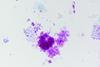
NewsBartonella and babesia found in brain tissue of child with seizures
In a new case study, researchers have found Bartonella henselae, Babesia odocoilei and Babesia divergens-like MO-1 DNA in brain tissue samples from a young child with seizures and suspected Rasmussen’s encephalitis.
-
 News
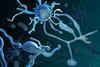
NewsOrigin of life: How microbes laid the foundation for complex cells
Researchers examining links between Asgard archaea and eukaryotes have shown that Asgard tubulins form similar microtubules, albeit smaller than those in their eukaryotic relatives. Unlike actin, these tubulin proteins appear in very few species of Asgard archaea.
-
 News
NewsAntibody-based therapy is several steps closer to treat lethal mucormycosis
A new paper discusses the use of monoclonal antibodies to target a key fungal cell surface protein, CotH, which enables the Mucorales fungus to invade human cells and cause mucormycosis, which has high mortality rates in people with weakened immune systems.