
All Editorial articles – Page 281
-
 News
NewsNovel nanosensing technique offers quality control of viral vectors in gene therapy
Researchers report a novel nanosensing technique to measure viral vector characteristics, measuring the ionic current that flows through a nanopore opening when a voltage differential is applied to a solution containing adeno-associated virus.
-
 News
NewsBiocides are a useful tool to combat antibiotic resistance but appropriate use is vital, scientists suggest
A recent review in Sustainable Microbiology discusses how the use of biocides can promote well-being but must only be used when there are clear benefits.
-
 News
NewsWhen it comes to DNA replication, humans and baker’s yeast are more alike than different
Humans and baker’s yeast have more in common than meets the eye, including an important mechanism that helps ensure DNA is copied correctly, reports a pair of studies.
-
 News
NewsClimate anomalies may play a major role in driving cholera pandemics
New research suggests that an El Niño event may have aided the establishment of a novel cholera strain during an early 20th-century pandemic, suggesting climate anomalies could create opportunities for the emergence of new cholera strains.
-
 News
NewsWarming stops tiny organisms working together
The single-celled organism Paramecium bursaria can absorb and host algae (Chlorella spp), providing benefits for both, but when scientists made the water 5°C warmer, the partnership stopped working – and the algae may even become parasitic.
-
 News
NewsCEPI and WHO urge broader research strategy for countries to prepare for the next pandemic
The Coalition for Epidemic Preparedness Innovations (CEPI) and the World Health Organization (WHO) today called on researchers and governments to strengthen and accelerate global research to prepare for the next pandemic.
-
 News
NewsValneva and LimmaTech team up to accelerate tetravalent Shigella vaccine candidate
Valneva SE and LimmaTech Biologics AG have entered into a strategic partnership and exclusive licensing agreement for the development, manufacturing and commercialization of Shigella4V (S4V), a tetravalent bioconjugate vaccine candidate against shigellosis.
-
 News
NewsComprehensive meta-analysis pinpoints what vaccination strategies different countries should adopt
A new paper offers the first comprehensive meta-analysis examining what types of vaccine intervention strategies have the greatest effect, and whether different intervention strategies work better in different countries.
-
 News
NewsShared geographic origin of TB strain and human host could boost risk of infection
For some forms of tuberculosis, the chances that an exposed person will get infected depend on whether the individual and the bacteria share a hometown, according to a study comparing how different strains move through mixed populations in cities.
-
 News
NewsSuper cally molecules take down tuberculosis
Researchers have identified and synthesised a group of molecules that can act against the cause of tuberculosis in a new way. The callyaerins act against TB by employing a fundamentally different mechanism compared to antibiotic agents used to date.
-
 News
NewsPNNL partners with US DOE to improve access to DOE’s intellectual property
A new database that makes thousands of the ideas, technologies, methods and software developed by the US Department of Energy available in one place has been created by DOE, working closely with software engineers and others at Pacific Northwest National Laboratory.
-
 News
NewsNasal COVID-19 vaccine halts transmission
Next-generation Covid vaccines that target the virus’s points of entry — the nose and mouth — may be able to do what traditional shots cannot: contain the spread of respiratory infections and prevent transmission.
-
 News
News3D models provide unprecedented look at corals’ response to bleaching events
A new study provides a first-of-its-kind glimpse into coral ‘bleaching’ responses to stress, using imaging technology to pinpoint coral survival rates following multiple bleaching events off the island of Maui.
-
 News
NewsGut microbes implicated in bladder cancer
A new study shows that gut bacteria can metabolise carcinogens and cause them to accumulate in distant organs, leading to tumour development.
-
 News
NewsNew compound found to be effective against flesh-eating bacteria
Researchers have developed a novel compound that effectively clears bacterial infections in mice, including those that can result in rare but potentially fatal ‘flesh-eating’ illnesses, and could be the first of an entirely new class of antibiotics.
-
 News
NewsHuman clinical study launched using phage lysin to eliminate staph in the nasal microbiome
A “first-in-human” study with the novel drug candidate HY-133 began on 10 July with the recruitment of clinically healthy volunteers who tested positive for Staphylococcus aureus colonisation of the nose.
-
 News
NewsEngineered human skin bacteria repel mosquitoes for 11 days, study shows
Genetically engineered human skin bacteria can make mice less attractive to mosquitoes for 11 days, a new study reveals.
-
 News
NewsApplied Microbiology International expert recognized for exceptional scientific leadership
AMI member Jizhong (Joe) Zhou, director of the OU Institute for Environmental Genomics, has been presented with the Distinguished Scientist Award from the Southeastern Universities Research Association at its annual meeting.
-
 News
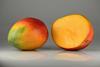
NewsCopper oxide nanoparticles to counter pathogens are synthesized from mango
Researchers have synthesized green copper oxide nanoparticles from Mangifera indica leaf extract. They showed potent activity against gram-positive and negative bacteria, as well as fungicidal effects on persimmon fruit pathogens.
-
 News
NewsScientists uncover role of bacteria in keloid scarring
A new study explores the microbiome of keloids, which are treatment-resistant raised scars. Researchers found higher concentrations of bacteria and different types of bacteria than are found in normal skin, especially in deep layers of the keloid.