
All Gut-Brain Axis articles – Page 2
-
 News
NewsSimple blood test for gut bacteria metabolites could spot dementia years earlier
Scientists have discovered that subtle changes in the blood may reveal the earliest signs of cognitive decline long before symptoms become obvious.These changes are caused by chemicals produced by gut bacteria - reinforcing the idea that the gut–brain connection plays an important role in early memory changes.
-
 News
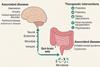
NewsGut microbiota and the gut–brain axis: Mechanisms and therapeutic hopes for brain diseases
A new study looks at the gut–brain axis (GBA), a sophisticated bidirectional communication network that integrates neural, immune, endocrine, and metabolic pathways to govern brain function and systemic homeostasis.
-
 News
NewsHigh-fat diets cause gut bacteria to enter brain, study finds
A new study, performed using mouse models, establishes that live bacteria from an imbalanced gut microbiome can enter the brain via the vagus nerve. The vagus nerve connects the brainstem to the heart, lungs, and major abdominal organs, including the stomach, intestines, liver and more.
-
 News
NewsThe gut can drive age-associated memory loss
Scientists have discovered that the aging gastrointestinal tract produces specific molecules that blunt the activity of a key gut-brain neuronal pathway, leading to age-related cognitive decline in mice.
-
 News
NewsWhen rats run, their gut bacteria rewrite the chemical conversation with the brain
A new study suggests that exercise stimulates a molecular link between gut bacteria and the brain. The research examined what happens to the gut microbiota, circulating metabolites, and hippocampal gene expression when rats are given free access to a running wheel for eight weeks.
-
 News
NewsStudy highlights gut–brain axis in pituitary tumor–related cognitive decline
Researchers conducted a prospective cross-sectional study to evaluate cognitive function in patients with pituitary neuroendocrine tumors and examine associations among tumor lineage, hormonal abnormalities, and gut microbiota composition.
-
 News
NewsTrust your gut to heal your brain
Researchers have found that short-term antibiotic treatment significantly reduced neuroinflammation and neurodegeneration following traumatic brain injury (TBI) by altering the gut microbiome in animal models.
-
 News
NewsPeople’s gut bacteria worse in areas with higher social deprivation
Living in a poorer neighbourhood in the UK could impact the make-up of your gut microbiome, potentially leading to worse health. New research found that people living in areas of higher social deprivation have a less diverse range of bacteria in their gut.
-
 News
NewsVirgin olive oil protects cognitive health through the gut microbiota
A new study reveals that people who consumed virgin olive oil rather than refined olive oil showed improved cognitive function and greater diversity in their gut microbiota, which is an important marker of intestinal and metabolic health.
-
 News
NewsGlobal scientific paper establishes first consensus definition of gut health
A global group of 13 scientists and clinicians is helping establish clarity by publishing a consensus definition of gut health. They define gut health as “a state of normal gastrointestinal function without active gastrointestinal disease and gut-related symptoms that affect quality of life.”
-
 News
NewsNew gut-brain discovery offers hope for treating ALS and dementia
Scientists have identified a link between gut bacteria and the deterioration of the brain in Amyotrophic Lateral Sclerosis (ALS) and Frontotemporal Dementia (FTD). The researchers discovered that certain bacterial sugars cause immune responses that kill cells—and how to prevent it.
-
 News
NewsNew research suggests gut bacteria may be linked to memory decline in mild cognitive impairment and Alzheimer’s disease
A new review is shedding light on the growing evidence that gut microbiome imbalances—known as dysbiosis—may play a key role in the development and progression of mild cognitive impairment (MCI) and Alzheimer’s disease.
-
 News
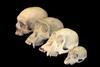
NewsMicrobes may hold the key to brain evolution
A groundbreaking new study reveals that changes to the gut microbiome can change the way the brain works. It provides the first empirical data showing the direct role the gut microbiome plays in shaping differences in the way the brain functions across different primate species.
-
 News
NewsPrebiotic in diet linked to less impulsivity in gambling rats with traumatic brain injury
Using a prebiotic to influence bacterial activity in the gut after a traumatic brain injury may help reduce impulsive behavior, one of the common symptoms to follow a moderate blow to the head, a new study in rats suggests.
-
 News
NewsThe link between the gut microbiome and autism is not backed by science, researchers say
There’s no scientific evidence that the gut microbiome causes autism, a group of scientists argue in an opinion paper. They warn that conclusions that supported this hypothesis are undermined by flawed assumptions, small sample sizes, and inappropriate statistical methods.
-
 News
NewsLow-dose cannabis compound reduces side effects of HIV treatment
Long-term, low doses of THC mitigate many harmful side effects and inflammation caused by HIV and antiretroviral therapy (ART). Benefits included increased production of serotonin, while inflammation, cholesterol and harmful secondary bile acids were all reduced.
-
 News
NewsGroundbreaking review reveals how gut microbiota influences sleep disorders through the brain-gut axis
A comprehensive review illuminates the intricate connections between gut microbiota and sleep regulation, establishing the microbiota-gut-brain axis as a critical pathway in understanding and potentially treating sleep disorders.
-
 News
NewsResearch spotlight: Mapping how gut neurons respond to bacteria, parasites and food allergy
A new study adds to accumulating evidence showing that the enteric nervous system works closely with the immune system to help the body respond to bacteria, parasites and allergens. The ENS also plays a key role in how the body maintains balance and protects itself from harm.
-
 News
NewsBabies’ gut bacteria may influence future emotional health
A child’s early gut microbiome may influence their risk of developing depression, anxiety or other internalizing symptoms in middle childhood, according to a new study.
-
 News
NewsNew role of gut bacteria provides hope for a novel IBS treatment
Research clarifies the complex interaction between gut bacteria and IBS, identifying two bacteria that together can produce serotonin: Limosilactobacillus mucosae and Ligilactobacillus ruminis.