
All Gut Microbiome articles – Page 24
-
 News
NewsAntibiotic resistance predicts higher mortality risk in 17-year follow-up
A population-based study finds that in addition to antibiotic use, diet, sex, living environment, income level and certain gut bacteria are associated with a higher burden of resistance.
-
 News
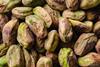
NewsNighttime pistachio snacking may reshape gut microbiome in prediabetic adults
A new study has determined that nighttime pistachio consumption affects gut bacteria in adults with prediabetes. The potential therapeutic implications of the findings may prove significant for people who are working to improve their metabolic health.
-
 News
NewsEarly antibiotics alter immune function in infants- but a gut-derived molecule could help restore it
A new study has found that early-life exposure to antibiotics can impair an infant’s developing immune system, and that a naturally occurring metabolite may hold the key to reversing that damage.
-
 News
NewsAcupuncture eases opioid therapy, rebalancing gut microbiota, study shows
Acupuncture significantly lowers methadone doses for people undergoing treatment for opioid use disorder, while restoring antiviral immune responses and rebalancing gut microbiota and metabolism, according to a new study.
-
 Long Reads
Tiny helpers: how our gut bacteria could protect us from forever chemicals
We are constantly exposed to things in our environment from the medicines we take and contaminants in the food we eat, to particles in the air we breathe. Figuring out which chemicals are harmful and how they affect us, is essential to make our surroundings safer.
-
 News
NewsGut morphology, not just diet or phylogeny, shapes mammalian gut microbiomes
Diet and evolutionary history have long been viewed as the main drivers of the mammalian gut microbiome. However, a new study offers the first systematic evidence that gut morphology significantly influences both the structure and function of gut microbial communities.
-
 News
NewsTokyo to host global summit showcasing leadership in microbiome medicine & fermentation science
Japan is reinforcing its position as a global powerhouse in microbiota research and fermentation science, as the country prepares to host the First Conjoint Meeting - International Society of Microbiota (ISM) - RIKEN, on Targeting Microbiota this October in Tokyo.
-
 News
NewsThyroid treatment may improve gut health in people with hypothyroidism
People with an underactive thyroid may have an increased risk of developing small intestinal bacterial overgrowth (SIBO), a risk that may be reduced with thyroid hormone treatment, according to a study.
-
 News
NewsChameleon plant polysccharide targets acute pneumonia with H1N1 and MRSA coinfection
A new study discusses how an anti-complement homogeneous polysaccharide from Houttuynia cordata ameliorates acute pneumonia with H1N1 and MRSA coinfection through rectifying Treg/Th17 imbalance in the gut–lung axis and NLRP3 inflammasome activation.
-
 News
NewsGut microbes key to understanding how exercise boosts cancer immunity
A new study shows how exercise improves cancer outcomes and enhances response to immunotherapy in mice by reshaping the gut microbiome. These benefits are driven by a specific compound called formate, which is produced by gut bacteria in exercised mice.
-
 News
NewsScientists investigate gut microbiota in elderly patients with acute hepatitis E infection
A new study of the impact of hepatitis E virus infection on the gut microbiota identifies a bacterial species as a potential biomarker for disease outcomes.
-
 News
NewsFlightpath Biosciences licenses microbiome-sparing antibiotic developed at Illinois
Flightpath Biosciences, Inc., has licensed a class of antibiotics developed at the University of Illinois Urbana-Champaign. The original antibiotic agent, lolamicin, effectively treated bacterial infections in animal models of disease without wiping out beneficial gut microbes.
-
 News
NewsEstrela brings microbial research to Texas A&M AgriLife Department of Nutrition
Sylvie Estrela, Ph.D., has joined the Texas A&M College of Agriculture and Life Sciences Department of Nutrition as an assistant professor. Estrela’s research focuses on microbial interactions, specifically, the way nutrients can impact bacterial communities.
-
 News
NewsMultiresistant intestinal bacteria: Displacement through food competition
Researchers made use of food competition to figure out how potentially dangerous multi-resistant bacteria could be effectively removed from the gut before reaching the bloodstream and causing serious problems.
-
 News
NewsThe gut’s secret weapon: viruses that heal
A comprehensive new review reveals how gut viruses interact with gut bacteria and host immunity, highlighting their roles in conditions like inflammatory bowel disease, colorectal cancer, and C. difficile infection. The findings offer a compelling case for harnessing the virome in novel therapies to reshape gut ecology and restore health.
-
 News
NewsNew immunotherapy strategy targets difficult-to-treat brain tumors with gut microbiota
Researchers have demonstrated a new therapeutic strategy that can enhance the efficacy of immunotherapy for brain tumors by utilizing gut microbes and their metabolites. This also opens up possibilities for developing microbiome-based immunotherapy supplements in the future.
-
 News
NewsPrebiotics might be a factor in preventing or treating issues caused by low brain GABA
Dietary prebiotics may induce an increase in brain GABA levels through the regulation of gut microbiota, which can be a major point for reducing or even treating these occurrences of certain neurological diseases in individuals.
-
 News
NewsStudy links influenza A viral infection to microbiome, brain gene expression changes
Infection with influenza A is found to be associated with disruptions in newborn piglets’ nasal and gut microbiomes and with potentially detrimental changes in gene activity in the hippocampus, a brain structure that plays a central role in learning and memory.
-
 News
NewsTracking microbial rhythms reveals new target for treating metabolic diseases
Researchers harness the benefits of time-restricted feeding on the gut microbiome — with the ultimate goal of developing new therapies for obesity, diabetes and related diseases.
-
 News
NewsGut microbiome composition and food insecurity linked to risk of cognitive impairment in adults
A new study has found a compelling link between the composition of the gut microbiome and the risk of cognitive impairment (RCI) in adults, underscoring the complex role that both biology and social determinants—such as food insecurity—play in brain health.