
All Immunology articles – Page 41
-
 News
NewsNewer hepatitis B vaccine shows promise as booster for health care workers
A new study compares the effectiveness of Heplisav-B, a new hepatitis vaccine, vs. standard hepatitis B vaccines as a booster in previously vaccinated individuals.
-
 News
NewsBreaking antibiotic-resistant bacteria’s protective shields opens door for immune system response
Researchers have made progress in uncovering how Streptococcus pneumoniae constructs its capsule, which serves as a protective shield. This capsule is a primary target for vaccine development.
-
 News
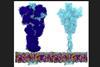
News‘Low-sugar’ vaccine can provide broad immunity against coronavirus variants
A universal vaccine for coronaviruses removes sugar molecules from an area of a coronavirus spike protein that rarely mutates and creates effective and plentiful antibodies to inactivate the virus.
-
 News
NewsA high-fat diet may impair response to infection
A new study in The Journal of Immunology reveals how a high-fat diet may impair the immune system’s ability to respond to infection by impacting the function of neutrophils, one of the first immune cells to respond to bacteria or viruses. The study demonstrated that male mice fed a high-fat ...
-
 News
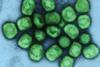
NewsStudy yields new data on Mpox vaccine effectiveness in people with HIV
A new study has found that a single dose of the Imvanex vaccine provides protection against Mpox with 84% effectiveness. For people with HIV, however, a single dose of the vaccine fails to offer sufficient protection. All at-risk groups, especially people with HIV, should receive the second dose of the vaccine as recommended.
-
 News
NewsImmature platelet fraction offers clinical predictor for enhanced platelet recovery in patients with dengue fever
Immature platelet fraction (IPF) is recognized as a marker for thrombopoiesis, but a new study indicates that IPF% can be utilized as a predictor of platelet increase in patients with dengue infection.
-
 News
NewsNIH-sponsored trial of Lassa vaccine opens
A National Institutes of Health (NIH)-sponsored clinical trial of a candidate vaccine to prevent Lassa fever has begun enrolling participants at the University of Maryland School of Medicine, Baltimore.
-
 News
NewsCOVID-19 pandemic worsened mother and infant birth outcomes
Mothers who became pregnant after the start of the pandemic, those who experienced moderate-to-severe infections during pregnancy, and those who had infections during the third trimester were more likely to have adverse outcomes.
-
 News
NewsThe relationship between gut microbiota, immunoglobulin A, and vaccine efficacy
Researchers concluded that the close relationship between immunoglobulin A (IgA) deficiency and the gut microbiota overgrowth is closely tied with the pneumococcal vaccine effectiveness in adults, thus providing insights for preventative strategies to enhance the vaccine response.
-
 News
NewsCOVID-19 discovery opens door to new treatments for chronic lung problems
A discovery was made to understand how severe viral infections, like COVID-19 and flu could destroy the ability of immune cells to repair the tissue damage in lungs, causing long COVID and other chronic lung diseases.
-
 News
NewsResearchers develop method to identify dormant cells that carry HIV
A new method is developed that utilizes a fluorescent genetic switch to tag and trace the lineages of the HIV-infected cells, including the dormant ones. This system might help to develop target therapies for the infected immune cells.
-
 News
NewsCause of post-COVID inflammatory shock in children identified
MIS-C is a serious inflammatory shock that affects children and can occur several weeks after a COVID infection. Researchers have found that reactivation of a pre-existing, dormant infection with the Epstein-Barr virus triggers an excessive inflammatory response.
-
 News
NewsMeasles on the rise again in Europe: Time to check your vaccination status
Eight out of ten people who were diagnosed with measles in the EU/EEA in the last year were not vaccinated, according to a new measles and rubella update.
-
 News
NewsResearchers announce breakthrough in next-generation polio vaccines
Researchers have taken a major step towards producing a more affordable and lower-risk polio vaccine using virus-like particles (VLPs). These particles mimic the outer protein shell of poliovirus, but are empty inside.
-
 News
NewsNew immune mechanism revealed in the cellular trash
The enzyme, proteasomes known for its protein degradation and recycling system, has found to serve another useful purpose that provides promising alternatives for strengthening immune defenses against deadly diseases.
-
 News
NewsMulti-dose vaccines administered in the same site boost immune response
New research suggests that receiving multiple doses of a vaccine in the same limb leads to faster antibody development, an important strategy for providing immunity as quickly as possible during a pandemic or disease outbreak.
-
 News
NewsGut bacterium IDed as key player in healing the colon
Researchers have identified Clostridium scindens, a bacterium that converts primary bile acids into 7α-dehydroxylated bile acids, as a key player in gut healing. Supplementing the gut with this bacterium could improve recovery from colonic injury.
-
 News
NewsPrevalence of neutralizing antibodies to AAV2 and AAV9 in individuals with Niemann-Pick disease
A new study shows that more than half of individuals with Niemann-Pick disease, type C1 (NPC1) who were tested lacked neutralizing antibodies against either adeno-associated virus (AAV) 2 or AAV9.
-
 News
NewsInhaled COVID vaccine study begins recruitment for phase-2 human trials
Researchers have started a phase-2 clinical trial on a next-generation, inhaled COVID-19 vaccine. Findings from the phase-1 trial indicate that the vaccine is more effective at inducing immune responses than traditional injected vaccines are.
-
 News
NewsGenes combined with immune response to Epstein-Barr virus increase MS risk
In multiple sclerosis (MS), antibodies to the common Epstein-Barr virus can accidentally attack a protein in the brain and spinal cord. New research shows that the combination of certain viral antibodies and genetic risk factors can be linked to a greatly increased risk of MS.