
All Infectious Disease articles – Page 76
-
 News
NewsLow dose of hydroxychloroquine is associated with reduced COVID-19 mortality: study
A new study provides observational evidence that low-dose hydroxychloroquine is associated with reduced COVID-19 mortality in hospitalized patients, particularly those with severe illness, when administered within the first week of symptoms.
-
 News
NewsNew breakthrough uncovers how to kill ‘zombie’ TB cells resistant to antibiotics
Researchers exposed a library of over 500,000 genetically modified tuberculosis bacteria to two commonly used antibiotics. By analysing the survivors, they pinpointed genes whose disruption significantly reduced the number of surviving persisters.
-
 News
NewsScientists find flawed data in recent study relevant to coronavirus antiviral development
A new study shows why scientists still don’t know how the NiRAN domain works. The findings could have sweeping implications for drug developers already working to design antivirals based on flawed assumptions, and underscore the importance of rigorous validation.
-
 News
NewsT cells take aim at Chikungunya virus
A new study offers the first-ever map of which parts of Chikungunya virus trigger the strongest response from the body’s T cells, bringing researchers closer to developing Chikungunya vaccines or therapies that harness T cells to strike specific targets to halt infection.
-
 News
NewsAdults who have survived childhood cancer are at increased risk of severe COVID-19
People who have survived cancer as children are at higher risk of developing severe COVID-19, even decades after their diagnosis. This is shown by a new study from Karolinska Institutet published in the journal The Lancet Regional Health – Europe.
-
 News
NewsHep E virus can live out entire life cycle in kidney cells
Scientists have succeeded in proving in cell culture that hepatitis E viruses can infect kidney cells and can multiply with their help. The entire replication cycle of the virus takes place in kidney cells in the same way as in liver cells, their study shows.
-
 News
NewsVaccination support program reduces pneumonia-related mortality by 25 per cent among the elderly
Findings based on efforts in Sera Town, Japan showed the pneumococcal vaccination support program reversed the previously increasing trend in pneumonia mortality rate in the community.
-
 News
NewsResearch opens up new avenue for tuberculosis drug discovery
Researchers studied an enzyme from the TB bacterium called alpha-methylacyl-CoA racemase (MCR) which helps the bacterium use cholesterol as an energy source. Blocking this enzyme would therefore starve the bacterium of a major food source, helping to treat TB infections.
-
 News
NewsStudy yields new insights into infection strategy of Pseudomonas aeruginosa
Scientists have uncovered a previously unknown trick used by Pseudomonas aeruginosa - the bacterium can functionally organize itself in diverse ways within a population of identical clones, as if it were not just one germ, but many at once. A mechanism of epigenetic memory preserves the activity of certain genes across generations.
-
 News
News New collaboration harnesses COVID methods to combat multi-billion threat to UK forests
Harnessing methods used to successfully predict and understand the spread of COVID-19 during the pandemic, a new project aims to combat the impact of forest diseases that can cost the UK economy billions.
-
 News
NewsNovel flu vaccine adjuvant improves protection against influenza viruses, study finds
Influenza hemagglutinin subunit vaccines are more effective and offer better cross protection against various influenza virus challenges when combined with a mucosal adjuvant that enhances the body’s immune response, according to a study.
-
 News
NewsNew ECDC weekly reports and guidance to tackle mosquito-borne diseases across Europe
As Europe enters this year’s mosquito season, ECDC has launched a new series of weekly epidemiological surveillance updates and public health guidance on mosquito-borne diseases.
-
 News
NewsAntibiotics are failing in many countries in Africa, new study reveals
The largest retrospective study on resistance to antibiotics in Africa highlights the need for major investments to enhance laboratory capabilities and healthcare access.
-
 News
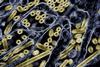
NewsWith AI, researchers find increasing immune evasion in H5N1
A new analysis suggests that the H5N1 avian influenza virus is evolving clever strategies. Using artificial intelligence tools, researchers analyzed thousands of viral proteins and found that their bonds to protective antibodies have weakened over time.
-
 News
NewsAirborne fungal spores may help predict COVID-19 & flu surges
Monitoring fungal spores in the outdoor air can predict surges in flu and COVID-19 infections, especially during the fall, according to a new study
-
 News
NewsStudy links influenza A viral infection to microbiome, brain gene expression changes
Infection with influenza A is found to be associated with disruptions in newborn piglets’ nasal and gut microbiomes and with potentially detrimental changes in gene activity in the hippocampus, a brain structure that plays a central role in learning and memory.
-
 News
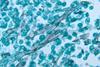
NewsNew test could save lives from deadly fungal infection that spiked during pandemic
A new lateral-flow test could one day save lives across the world through early detection of a deadly fungal disease which dramatically spiked during the COVID-19 pandemic.
-
 News
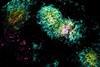
NewsSupercharged HIV vaccine could offer strong protection with just one dose
Researchers have shown that they can generate a strong immune response to HIV with just one vaccine dose, by adding two powerful adjuvants — materials that help stimulate the immune system.
-
 News
NewsHow a common brain parasite disrupts neural communication
Scientists reveal how the Toxoplasma parasite can significantly disrupt brain function, even when it infects only a small number of neurons. The team found the parasite interferes with essential communication between brain cells.
-
 News
NewsVaccine disguised as a virus tricks the body into stronger immunity
A simple addition to mRNA vaccines can significantly enhance their effectiveness. Scientists have shown that mice develop a stronger and longer-lasting immune response when the mRNA vaccine is disguised as virus-like particles.