
All Infectious Disease articles – Page 80
-
 News
NewsA gene variant increases the risk of long COVID
An international team of researchers has found a genetic link to long-term symptoms after COVID-19. The identified gene variant is located close to the FOXP4 gene, which is known to affect lung function.
-
 News
NewsScientists uncover how certain cholera strains are so successful at evading phage attacks
A new study shows that a virulent lineage of cholera acquired multiple distinct bacterial immune systems that have protected it from diverse types of phages. This defense may have contributed to the massive scale of the Latin American epidemic.
-
 News
NewsOrganoids reveal the secrets of bat immunity
Researchers successfully infected both bat organoids and human airway organoids with the Marburg virus. Compared to the human models, bat organoids exhibited a significantly higher baseline antiviral immune activity even before infection.
-
 News
NewsNew malaria control strategy efficiently kills parasites in the mosquito
A potent combination of antimalarial compounds added to bed nets blocked parasite transmission in mosquitoes while circumventing insecticide resistance, according to a new study.
-
 News
NewsSelenium exposure during pregnancy may reduce childhood streptococcal infections
Higher maternal selenium levels during pregnancy were associated with a lower risk of streptococcal infections in children, a new study shows, suggesting a potential protective effect.
-
 News
NewsNatural algal communities can inhibit aquaculture pathogens
A new study has demonstrated that it is possible to develop a consortium of bacteria that can inhibit bacterial pathogens in aquaculture. This could potentially reduce the use of antibiotics in aquaculture and possibly other applications.
-
 News
NewsSegregation fuels faster spread of infectious diseases, study finds
Structural inequalities, including wealth inequality and social segregation, not only make certain groups more vulnerable during public health crises but also accelerate the spread of infectious diseases through society, according to a team of international researchers.
-
 News
NewsPhage expert Graham Hatfull elected as a Fellow of the Royal Society
Graham Hatfull, Eberly Family Professor of Biotechnology and HHMI Professor in the University of Pittsburgh Kenneth P. Dietrich School of Arts and Sciences, has been named a Fellow of the Royal Society.
-
 News
NewsAdvanced genomics study improves detection of hard-to-find diarrheal infections
A study has used advanced genetic and genomic techniques to offer a major step forward in understanding and diagnosing infectious intestinal diseases. It analysed more than 1,000 stool samples from people with diarrhoeal illness to harness two cutting edge tools.
-
 News
NewsBlood eosinophil count is associated with Pseudomonas aeruginosa infection but not the efficacy of inhaled tobramycin
A study has demonstrated that blood eosinophil counts (BECs) correlate with the disease severity, lung function, exacerbations in bronchiectasis, a chronic airway suppurative disease.
-
 News
NewsCold sore viral infection implicated in development of Alzheimer’s disease
Symptomatic infection with the virus responsible for cold sores around the mouth–herpes simplex 1, or HSV-1 for short—may have a key role in the development of Alzheimer’s disease, suggests a large pharma industry-funded US study.
-
 News
NewsScientists uncover key clues to how a viral infection can lead to arthritis-like disease
By studying Chikungunya virus, scientists have shed light on how immune responses to viral infections may lead to persistent symptoms of autoimmune disease.
-
 News
NewsWorld Health Assembly adopts historic Pandemic Agreement to make the world more equitable and safer from future pandemics
Member States of the World Health Organization (WHO) today formally adopted by consensus the world’s first Pandemic Agreement, following more than three years of intensive negotiations launched by governments in response to the COVID-19 pandemic.
-
 News
NewsSurvival trick: Pathogen taps iron source in immune cells
The body defends itself against pathogens by depriving them of vital iron. However, researchers have discovered that Salmonella bacteria specifically target iron-rich regions within immune cells to replicate, evading the immune defense.
-
 News
NewsCould nanoplastics in the environment turn E. coli into a bigger villain?
New research suggests certain nanoplastics may make foodborne pathogens more virulent. Nanoplastics with positively charged surfaces were more likely to cause physiological stress in E. coli O157:H7, making them pump out more Shiga-like toxin.
-
 News
NewsWHO validates Mauritania for eliminating trachoma as a public health problem
The World Health Organization (WHO) has validated Mauritania as having eliminated trachoma as a public health problem, making it the seventh country in WHO’s African Region to achieve this significant milestone.
-
 News
NewsGenomic data shows widespread mpox transmission in West Africa prior to 2022 global outbreak
Mpox was transmitted among humans in Nigeria for eight years before sparking the international outbreak in 2022. Using genomic tracing, the researchers estimate that the virus’s ancestor first emerged in southern Nigeria in August 2014.
-
 News
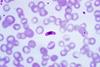
NewsNovel molecular maneuver helps malaria parasite dodge the immune system
Researchers have discovered how a parasite that causes malaria when transmitted through a mosquito bite can hide from the body’s immune system. Plasmodium falciparum can shut down a key set of genes, rendering itself “immunologically invisible.”
-
 News
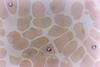
NewsFamily of parasite proteins presents new potential malaria treatment target
Researchers from the Francis Crick Institute and the Gulbenkian Institute for Molecular Medicine (GIMM) have shown that the evolution of a family of exported proteins in the malaria-causing parasite Plasmodium falciparum enabled it to infect humans. Source: Ernst Hempelmann Ring stage of Plasmodium falciparum in human red blood ...
-
 News
NewsAmericans say benefits of MMR vaccine for children outweigh risks by nearly 5-1
While many Americans know how measles can spread, most cannot accurately estimate the prevalence of complications associated with measles such as hospitalization or the risks it presents during pregnancy, according to a new survey.