
All Innovation News articles – Page 18
-
 News
NewsBacteria: Recording gene activity more efficiently
Researchers have presented a step-by-step protocol for creating single bacterial transcriptomes with MATQ-seq. The protocol also includes the experimental and computer-aided analysis of the data.
-
 News
NewsScientists engineer antibody against flu with sticky staying power
Scientists have engineered a monoclonal antibody that can protect mice from a lethal dose of influenza A, a new study shows. The new molecule combines the specificity of a mature flu fighter with the broad binding capacity of a more general immune system defender. Source: NIAID Colorized transmission ...
-
 News
NewsSynthetic lichen points a pathway to self-healing concrete
Addressing one of the most persistent and expensive problems in construction, scientists have taken inspiration from nature to develop a synthetic lichen system to enable concrete to self-repair.
-
 News
NewsTransforming hospital sanitation: autonomous robots for wiping and UV-C disinfection
Scientists have developed an ’Intelligent Autonomous Wiping and UV-C Disinfection Robot’ capable of automating hospital disinfection processes. The system can perform disinfection with consistent precision, significantly reducing the risk of infection within the hospital.
-
 News
NewsFoot traffic can predict COVID-19 spread in New York City neighborhoods
A new study reveals how foot traffic data from mobile devices can enhance neighborhood-level COVID-19 forecasts in New York City, providing a novel approach to predicting the spread of the SARS-CoV-2 virus and improving targeted public health interventions.
-
 News
NewsViruses under the super microscope: How influenza viruses communicate with cells
Scientists have characterized a new model of influenza A infection: binding to MHC class II complexes as an alternative receptor and the associated dynamic reorganization of the cell surface.
-
 News
NewsHigh-density screening technique reveals key genes for biotechnology improvements
Scientists used a gene-silencing tool and molecular guides to probe how photosynthetic bacteria adapt to light and temperature changes, finding even partial suppression of certain genes yielded big benefits in modifying the stress response of wild microbes.
-
 News
NewsAI plays detective to help scientists find hidden microbes
A team of researchers has created a novel machine learning tool that’s cracking open one of biology’s trickiest puzzles: finding the rarest microbes on Earth. Ulrb not only identifies rare microorganisms but also works with non-microbial data.
-
 News
NewsTopical gel relieved ear infections in animals after just one dose
Researchers report a topical antibiotic gel that, applied once, cured middle ear infection within 24 hours in chinchillas. a single dose of treatment for middle ear infections could improve patient compliance and potentially reduce pediatric antibiotic usage.
-
 News
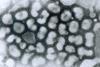
NewsScientists launch intranasal albumin-based vaccine technology platform against respiratory virus
A new paper reports on a novel vaccine technology platform, in which the subunit antigen is genetically fused to albumin. The albumin-antigen fusion vaccines induced both systemic and mucosal antigen-specific antibody responses.
-
 News
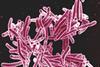
NewsNew molecular label could lead to simpler, faster tuberculosis tests
Chemists have demonstrated that they can label a glycan called ManLAM using an organic molecule that reacts with specific sulfur-containing sugars. These sugars are found in only three bacterial species, including the microbe that causes TB.
-
 News
NewsA digestive ‘treasure chest’ shows promise for targeted drug treatment in the gut
A new approach to drug design can deliver medicine directly to the gut in mice at significantly lower doses than current inflammatory bowel disease treatments.
-
 News
NewsScientists repurpose gene editing tool to help uncover hidden microbial diversity
Pioneering research has repurposed a gene editing tool to help shed light on the true biodiversity present in natural environments. The study could help pave the way for more productive soils and improved health.
-
 News
NewsControlling starch levels in algae could have biotechnology and sustainability benefits
Researchers have found a new method to control starch storage in algae - a finding with potential applications in areas such reducing greenhouse gases. Modifying a blue light-activated signalling pathway makes it possible to regulate storage, they say.
-
 News
NewsNo more copy-pasting: DNA base editing for better Lactobacillus strains
Scientists were able to edit the DNA of Lactobacillus strains directly without a template from other organisms. This technique is indistinguishable from natural variation and enabled them to create a strain that doesn’t produce diabetes-aggravating chemicals.
-
 News
NewsOpen benchmarking of CycloneSeq™ for complete bacterial genomes
Benchmark data and analysis of new CycloneSEQ using novel nanopore sequencing technology demonstrates the ability to sequence complete bacterial genomes.
-
 News
NewsInfectious disease surveillance platform BEACON launches as a new open-source global resource
The Biothreats Emergence, Analysis and Communications Network (BEACON), an open-source infectious diseases monitoring tool powered by AI and human experts, has been launched.
-
 News
NewsResearchers develop innovative solution for tracking antibiotic resistance genes
Scientists have developed a computational tool, Argo, designed to accurately track ARGs in environmental samples, providing insights into their dissemination and associated risks.
-
 News
NewsLiving fungus-based building material repairs itself for over a month
Engineers have developed a building material that uses the root-like mycelium of a fungus and bacteria cells. They show that it is capable of self-repairing and could eventually offer a sustainable alternative for high-emission building materials like concrete.
-
 News
NewsGlycan-coated magnets: A game-changer for safer food supply chains
A new method using glycan-coated magnetic nanoparticles (gMNPs) is poised to change the way we detect foodborne pathogens like Escherichia coli and Salmonella in complex food matrices such as melons, lettuce, and raw chicken.