
Latest news – Page 63
-
 News
NewsStructure of tick-borne virus revealed at atomic resolution for the first time
One emerging tick-borne virus in North America is the Powassan virus (POWV), which can cause encephalitis, seizures, paralysis and coma. Rates of POWV infections have increased in recent years and currently, there are no treatments available.
-
 News
NewsGut microbes key to understanding how exercise boosts cancer immunity
A new study shows how exercise improves cancer outcomes and enhances response to immunotherapy in mice by reshaping the gut microbiome. These benefits are driven by a specific compound called formate, which is produced by gut bacteria in exercised mice.
-
 News
NewsPrairie dogs carry genes linked to surviving plague
A study of the genetic basis of plague immunity in prairie dogs has broad implications for conservation. By comparing whole-genome sequences, the authors identified genetic variants associated with survivorship.
-
 News
NewsLarge-scale DNA study maps 37,000 years of disease history
A new study maps infectious diseases across millennia and offers new insight into how human-animal interactions permanently transformed our health landscape.
-
 News
NewsAMI welcomes two new members to its Board of Trustees
Applied Microbiology International has welcomed two new trustees to the AMI Board of Trustees - Dr Helen Onyeaka and Otto Balsiger. Professor Catherine Rees has been re-elected for a second term as a Trustee.
-
 News
NewsResearchers develop superstrong, eco-friendly materials from bacteria
Scientists have developed a scalable approach to engineer bacterial cellulose into high-strength, multifunctional materials. Their biosynthesis technique aligns bacterial cellulose fibers in real-time, resulting in robust biopolymer sheets with exceptional mechanical properties.
-
 News
NewsSummer travel ‘will increase the spread of measles,’ expert says
The number of measles cases in the U.S. has reached its highest point in 33 years, and outbreaks are expected to continue, especially amid national and international travel.
-
 News
NewsFrom COVID to cancer, new at-home ‘coffee-ring’ test spots disease with startling accuracy
A new, low-cost biosensing technology could make rapid at-home tests up to 100 times more sensitive to viruses like COVID-19. The diagnostic could expand rapid screening to other life-threatening conditions like prostate cancer and sepsis as well.
-
 News
NewsStudy reveals negative consequences of trained immunity in the lungs
Exposure to a common fungal molecule can reprogram immune cells in the lungs, causing them to overreact to infection-like signals and worsen lung damage, according to new research.
-
 News
NewsComprehensive review sheds light on rare blood clotting syndrome linked to COVID-19 vaccines
A new analysis has provided critical insights into the rare but serious condition known as vaccine-induced immune thrombotic thrombocytopenia (VITT). The findings confirm a higher risk of arterial and venous thrombosis after COVID-19 infection compared to vaccination.
-
 News
NewsScientists investigate gut microbiota in elderly patients with acute hepatitis E infection
A new study of the impact of hepatitis E virus infection on the gut microbiota identifies a bacterial species as a potential biomarker for disease outcomes.
-
 News
NewsVanderbilt and Parse Biosciences collaborate on new measles treatment
Vanderbilt University Medical Center and Parse Biosciences, an innovator in single-cell sequencing, are collaborating on a new treatment to help unvaccinated measles victims, as the U.S. measles outbreak has now reached its highest case count in 30 years.
-
 News
NewsNew study suggests Florida has the potential for local Chagas disease transmission
Researchers in Florida have discovered local kissing bugs are harboring the parasite that can lead to Chagas disease, demonstrating that this rare, chronic disease has a secure foothold in the U.S. and warrants more preventative measures.
-
 News
NewsAI used to create protein that kills E. coli
Scientists have used artificial intelligence (AI) to generate a ready-to-use biological protein that can kill antibiotic resistant bacteria like E. coli.
-
 News
NewsInsights for future research and practical approaches in truncal acne
In a new study, researchers have systematically described the mechanisms of truncal acne, evaluated the methods and evaluated the mechanisms, targets, and pros/cons of several treatment products to guide clinical choices.
-
 News
NewsFlightpath Biosciences licenses microbiome-sparing antibiotic developed at Illinois
Flightpath Biosciences, Inc., has licensed a class of antibiotics developed at the University of Illinois Urbana-Champaign. The original antibiotic agent, lolamicin, effectively treated bacterial infections in animal models of disease without wiping out beneficial gut microbes.
-
 News
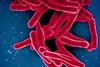
NewsClinical trials reveal promising alternatives to high-toxicity tuberculosis drug
Research shows two novel antibiotics could spare patients from severe side effects. The drugs sutezolid and delpazolid have demonstrated strong antimicrobial activity and a notably better safety profile compared to linezolid.
-
 News
NewsProtecting the most vulnerable: ECDC recommendations to address ongoing local transmission of diphtheria
A new ECDC Rapid Risk Assessment highlights how ongoing circulation of diphtheria caused by Corynebacterium diphtheriae may affect some populations who are more vulnerable to infection and issues recommendations to protect those most at risk.
-
 News
NewsCoral calcification benefits from human hormone injections
Researchers have identified how thyroxine, a human thyroid hormone, can positively influence the life-critical calcification in soft corals, and have developed a unique technique for injecting molecules into coral tissues.
-
 News
NewsCancer-fighting herpes virus shown to be an effective treatment for some advanced melanoma
A genetically engineered herpes simplex virus, when combined with immunotherapy, reduces or eliminates tumors in one-third of clinical trial patients, according to a new study.