
All Microbiome & Pregnancy articles
-
 News
NewsBacterial supplements may boost female fertility
As women get older, their uterine environment changes. Researchers show that treating mice and humans with a beneficial bacterium called Lactobacillus gasseri or derived postbiotics may improve fertility among women over the age of 35.
-
 News
NewsResearch study investigates how maternal viral infections shape lifelong immune health in offspring
A $2.4 million grant will support research that aims to uncover how viral infections during pregnancy reprogram the developing immune system of the fetus, influencing susceptibility to infectious diseases throughout life.
-
 News
NewsResearchers find estrogen-like mycotoxin in every pregnant woman tested
Consuming common foods such as corn chips and popcorn may put pregnant women at risk of being exposed to mycotoxins. A study found hormone-mimicking mycotoxins in 100% of participants.
-
 News
NewsResearch team awarded NIH grant to study congenital CMV transmission during pregnancy
A research team has received a new 5-year, $3.87 million R01 grant from the National Institutes of Health (NIH) to investigate how the immune system protects against congenital cytomegalovirus (CMV) infection.
-
 News
NewsMicrobiome pioneer Jacques Ravel named 2026 Microbiome Medal Laureate
Jacques Ravel, professor at the University of Maryland School of Medicine and leader in human microbiome research, has been named by the One Health Microbiome Center as the second laureate of the Microbiome Medal.
-
 News
NewsMaternal weight may influence microbiota signalling in amniotic fluid
New research investigates how maternal factors during pregnancy affect small particles produced by the body’s microbiota, giving insights into a new way to monitor maternal and fetal health during pregnancy.
-
 News
NewsStudy finds common infection does not increase risk of recurrent preterm birth
A new study has found that the common sexually transmitted infection, Mycoplasma genitalium, also known as MGen, does not appear to increase the risk of recurrent preterm birth. Earlier research suggested that certain Mycoplasma species might contribute to preterm labor, but those studies were limited.
-
 News
NewsNew study highlights maternal-fetal TORCH infection risk
Researchers have assessed long-term trends in TORCH infections in India, a region where reliable data have been lacking. TORCH includes pathogens that cause toxoplasmosis, rubella, cytomegalovirus (CMV), herpes simplex virus and other infections.
-
 News
NewsMaternal RSV vaccine cuts infant hospitalizations by 70%
A study has found that vaccination against respiratory syncytial virus (RSV) during pregnancy reduced the risk of hospitalization in young infants by nearly 70%. It provides early real-world evidence from U.S. clinical care, showing that administering one dose of the maternal RSV vaccine (RSVpreF vaccine) reduces hospitalization related to RSV in young infants.
-
 News
NewsProtection for newborns: New treatment aims to prevent meningitis without antibiotics
One of the leading pathogens responsible for meningitis cases in newborn babies is the K1 form of the E. coli bacterium. Now, researchers have developed a triple-pronged approach that seeks to prevent transmission to newborns.
-
 News
NewsOrangutans breastfeed their young for six and a half years, the longest among mammals
Researchers show that wild orangutan juveniles keep consuming their mother’s milk continuously until at least six and a half years of age. The study also suggests that the more milk a juvenile consumes, the stronger its biological defenses and the higher the presence of probiotic intestinal bacteria.
-
 News
NewsMaternal infection: A critical driver of offspring cardiac dysfunction
A new study reveals that maternal infection causes severe metabolic disturbances within the offspring’s heart, most notably enriching differentially expressed genes in lipid, energy, and amino acid metabolism. The infection also heavily suppressed cardiac cell proliferation.
-
 News
NewsOne-fifth of pregnant women aren’t properly screened for syphilis
A new study found that 1 in 5 pregnant women in Ontario did not receive timely syphilis screening, which is critical for preventing syphilis infection in newborns. Sociodemographic and behavioural risk factors associated with being screened late may be related to an increased likelihood of inadequate prenatal care access.
-
 News
NewsImmune system overreaction linked to deadly flu in pregnancy
Researchers have discovered why influenza can lead to life-threatening complications during pregnancy. In most people, influenza stays in the upper respiratory tract and clears without spreading further. But during pregnancy, the virus can extend into the cardiovascular system, increasing the risk of severe complications for mothers and babies.
-
 News
NewsPregnant women’s mental images are directly linked to vaccine hesitancy and uptake
When pregnant women think about vaccinations, many experience vivid mental images – such as a sick baby in hospital – that have a direct link to their opinion of the vaccine and whether they ultimately have it, new research has shown.
-
 News
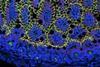
NewsMouse study suggests high-fat diets during pregnancy worsen severe GI illness in preterm babies
A new mouse study suggests a link between a high-fat prenatal diet and induction of potentially deadly symptoms of necrotizing enterocolitis (NEC) in premature babies.
-
 News
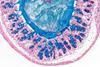
NewsCaesarean birth: sex-specific effects on the microbiota
A research team investigating microbial colonisation in early life set out to understand how delivery mode and sex interact over the course of development, and whether this interaction could affect susceptibility to intestinal diseases such as colitis in adulthood.
-
 News
NewsNew study suggests reduced newborn hepatitis B vaccination coverage may increase infant infections
Researchers found that lower vaccination coverage among infants born to unscreened mothers was associated with a substantial increase in HBV infections.
-
 News
NewsSARS-CoV-2 does not persist in the placenta after maternal recovery from COVID-19
A new study finds that the virus that causes COVID-19 does not linger in placental tissue weeks to months after a pregnant woman recovers from infection - offering important reassurance for clinicians and patients alike.
-
 News
NewsWHO certifies the Bahamas for eliminating mother-to-child transmission of HIV
In a landmark achievement for Caribbean public health, the World Health Organization (WHO) congratulates The Bahamas for becoming the latest Caribbean nation to be certified as having eliminated the mother-to-child transmission of HIV.