
All Microbiome & Pregnancy articles – Page 3
-
 News
Everyday foods could hide fungal risks for mothers and children
A collaborative, multi-institutional project will examine how exposure to zearalenone – a mycoestrogen produced by mold with estrogen-like activity – may affect pregnancy outcomes and children’s growth.
-
 News
Fecal transplants from older mice significantly improve ovarian function and fertility in younger mice
A new study details how fecal transplants from older female mice significantly improve ovarian function and fertility in young mice. The surprising results reveal a direct link between the microbiome of the gut and ovarian health and function.
-
 News
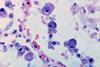
New study demonstrates universal newborn cCMV screening leads to earlier detection and increased identification of mild hearing loss
A new retrospective cohort study examining the impact of Minnesota’s first-in-the-nation mandated universal newborn screening for congenital cytomegalovirus (cCMV) shows that universal screening significantly decreased the age at first audiology visit and increased identification of mild hearing loss in infants.
-
 News
Prenatal infection increases risk of heavy drinking later in life
Exposure to infection and other immune stress in the womb increases the likelihood of alcohol misuse in adulthood, a risk that may be reduced through prenatal antioxidant treatment, a new study shows.
-
 News
Antibiotic-resistant bacteria found in many healthy birthing mothers and their newborns
A recent study found gut bacteria resistant to common antibiotics in a sizable percentage of healthy birthing mothers and their newborns. In this study, 38% of bacterial strains resistant to ceftriaxone transmitted from mother to infant were E. coli.
-
 News
Neonatal sepsis: using vaginal microbiota to improve predictions
Researchers have found that some identifiable microbial signatures in vaginal swab samples taken at delivery are associated with a risk of neonatal sepsis.
-
 News
Endogenous retroviruses promote early human zygotic development
New findings offer insight into why some embryos fail to develop past zygotic genome activation (ZGA), pointing to an unexpected root of human infertility.
-
 News
Pregnant women hospitalized for COVID-19, and their newborns, have higher complication risk
When hospitalized for COVID-19, pregnant women — and their eventual newborn children — have a higher risk of complications. Research revealed that pregnant women were nearly 3.5 times more likely than non-pregnant women to require respiratory support when hospitalized for COVID-19.
-
 News
Maternal microbiome compound may hold key to preventing liver disease
Children born to mothers who consume a high-fat, high-sugar diet during pregnancy and breastfeeding face a higher risk of developing fatty liver disease later in life. New research suggests that risk may be reduced by supplementing with a naturally occurring compound produced by healthy gut bacteria.
-
 News
Whooping cough vaccination for pregnant women strengthens babies’ immune system
Vaccinating women during pregnancy leads to the transfer of antibodies to their newborns. These antibodies were detected not only in blood, but also in the nasal mucosa, the site where whooping cough bacteria enter the body.
-
 News
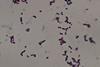
Fatal infection risk in newborns may increase when this bacteria and fungus mix
A new study reveals that when Streptococcus agalactiae (GBS) interacts with Candida albicans, GBS is more likely to spread disease and become harder to treat in newborns. Infection by both microbes reduces the effectiveness of existing GBS treatments.
-
 News
COVID-19 vaccination significantly reduces risk to pregnant women and baby
Pregnant women who received a COVID-19 vaccine were far less likely to experience severe illness or deliver their babies prematurely, according to a major new study.
-
 News
Professor named EMBO Young Investigator for work on the infant microbiome
Prof. Moran Yassour has been selected as one of the 2025 EMBO Young Investigators. She receives this prestigious recognition for her innovative research on the developing infant microbiome and its impact on pediatric health.
-
 News
Maternal health programme cuts infection deaths by 32%
A landmark multi-country clinical trial has shown that a structured, sustainable approach to infection prevention and treatment can save women’s lives, cutting severe maternal infections and deaths by about one-third (32%) compared to usual care.
-
 News
COVID-19 during pregnancy linked to higher risk of neurodevelopmental disorders in children
Children born to mothers who had COVID-19 while pregnant face an elevated risk of developmental disorders by the time they turn 3 years old, including speech delays, autism, motor disorders, and other developmental delays, according to new research.
-
 News
Missing nutrient in breast milk may explain health challenges in children of women with HIV
A new study reveals that breast milk from women living with HIV contains significantly lower levels of tryptophan, an essential amino acid likely important for infant immune function, growth, and brain development.
-
 News
Babies born eight to ten weeks early can be safely milk fed without risk of gut complications, finds a new study
A major study has found that babies born between eight to ten weeks early can be fed with milk through a tube in their stomach straight after birth rather than being given intravenous feeds through a drip.
-
 News
Researchers probe how malaria harms unborn babies
UK-based Wellcome has awarded over €2 million to an international research effort to uncover how malaria can injure developing babies.
-
 News
Maldives is first country to achieve ‘triple elimination’ of mother-to-child transmission of HIV, syphilis and hepatitis B
The World Health Organization has validated the Maldives for eliminating mother-to-child transmission of hepatitis B, while maintaining its earlier validation for EMTCT of HIV and syphilis. This makes the Maldives the first country in the world to achieve ‘triple elimination’.
-
 News
‘Good’ gut bacteria boost placenta for healthier pregnancy
Research has found the first clear evidence that the ‘good’ gut bacteria Bifidobacterium breve in pregnant mothers regulates the placenta’s production of hormones critical for a healthy pregnancy. Pregnant mice without Bifidobacterium breve in their gut had a higher rate of complications, and increased fetal loss.