
More News – Page 89
-
 News
NewsSoil bacteria and fungi emerge as a top predictor of childhood allergic disease
The unique blend of fungi and bacteria in a region’s soil may be the strongest factor explaining its rates of childhood allergic disease, with certain assemblages of soil critters appearing linked with better health outcomes, according to new research.
-
 News
News AMI in 2025: our big round-up of the year
What a year it’s been for Applied Microbiology International. We’ve grown, reached further across the globe and played a bigger part in showing how applied microbiology can make a real difference to the world.
-
 News
NewsMoss and symbionts offer a promising solution for removing metals from mining and forestry-impacted waters
New findings shed light on the mechanisms behind a natural purification process and identify the key microbial “teammates” that enable mosses to remove metals from water. The new study reveals that mosses do not remove metals alone. The key is the cooperation between the moss and its microbial symbionts.
-
 News
NewsNew one-two punch could knock out drug-resistant TB
Researchers found that pairing the antibiotic rifampicin with a second compound turned multidrug resistance into a weakness—providing proof of concept for using basic science to design life-saving dual-drug strategies.
-
 News
NewsA new way to diagnose deadly lung infections and save lives
Researchers have found a way to identify lung infections in critically ill patients by pairing a generative AI analysis of medical records with a biomarker of lower respiratory infections.
-
 News
NewsCan certain bacteria regulate aging of the immune system and its related alterations?
Researchers have discovered a strain of Lentilactobacillus capable of preventing and even reversing aging-related immune alterations. Feeding aged mice with heat-inactivated YRC2606 resulted in lowered levels of inflammatory cytokines and signaling proteins.
-
 News
NewsNew method accelerates resistance testing in urinary tract infections
Researchers have developed two methods that allow urine samples to be tested directly for antibiotic susceptibility. Because the procedures do not require standardized bacterial suspensions, the time to result is reduced by up to 24 hours compared to conventional testing.
-
 News
NewsUnseen allies: symbiotic bacteria help clean wastewater, but there is a catch
Scientists have identified new species of denitrifying endosymbionts in wastewater, highlighting their global prevalence – with an unexpected climate implication.
-
 News
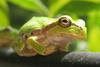
NewsGut bacteria from amphibians and reptiles achieve complete tumor elimination
Researchers have discovered that the bacterium Ewingella americana, isolated from the intestines of Japanese tree frogs (Dryophytes japonicus), possesses remarkably potent anticancer activity.
-
 News
NewsHidden viruses in wastewater treatment may shape public health risks, study finds
A new study reveals that viral communities in wastewater treatment plants are far more complex and influential than previously recognized, with implications for water safety, antibiotic resistance, and how treatment performance is monitored.
-
 News
NewsWho is more likely to get long COVID?
Scientists have identified the key genetic drivers behind long COVID, revealing why some people continue to experience debilitating symptoms long after their initial infection.
-
 News
NewsStudy uncovers new drug target for huge class of viruses
A study reveals how enteroviruses—including pathogens that cause polio, encephalitis, myocarditis, and the common cold—initiate replication by hijacking host-cell machinery.
-
 News
NewsA fatal mix-up: How certain gut bacteria drive multiple sclerosis
If gut bacteria are too similar to the protective layer of nerves, they can misdirect the immune system and cause it to attack its own nervous system. This mechanism can accelerate the progression of multiple sclerosis.
-
 News
NewsOroya fever: Elucidation of disease mechanism opens possibility for novel therapy
An international research team has generated and analyzed more than 1,700 genetic variants of the pathogen that causes Oroya fever, identifying two proteins that Bartonella requires for the destruction of red blood cells.
-
 News
NewsNew method means contaminated bathing water easier to detect
A new method can provide both faster and more complete answers on whether the water is safe for swimming or not. The innovation has been successfully tested in Helsingborg, where the response time has been reduced from several days to just a few hours.
-
 News
NewsResearchers see dramatic drop in HIV-infected immune cells in patient after cancer treatment received
Researchers report they may have taken an early step toward a more practical HIV cure. They focused on a patient undergoing cancer treatment and also living with HIV, who after receiving chemotherapy, had a significant reduction in the number of CD4+ T immune cells that contained an HIV provirus.
-
 News
NewsCOVID-19 vaccination significantly reduces risk to pregnant women and baby
Pregnant women who received a COVID-19 vaccine were far less likely to experience severe illness or deliver their babies prematurely, according to a major new study.
-
 News
NewsStrategic advancement of second-generation fungal vaccine VXV-01 through Phase 1 trials
The Lundquist Institute (TLI) and its start-up company Vitalex Biosciences (Vitalex) have announced that the second-generation fungal vaccine candidate known as VXV‑01 is poised to move forward in development up to and including Phase 1 clinical evaluation.
-
 News
NewsA testing paradox for sexually transmitted infections
Surveillance evidence shows an increase in people infected with other STIs after initiating PrEP. A new study provides a counterintuitive explanation revealing a testing paradox: even when the observed cases increase, the true numbers of STIs can decrease.
-
 News
NewsModulating key interaction prevents virus from entering cells
Researchers have found a way to modulate a common virus protein to prevent viruses from entering cells where it can cause illness. They were able to find and block an important interaction at the molecular level that allows the herpes virus to enter cells.