
More UK & Europe News – Page 37
-
 News
NewsThe gut-brain connection in Alzheimer’s unveiled with X-rays
Scientists have discovered how X-ray micro- and nano- tomography can provide clues on the processes that link the gut neurons with those in the brain and may trigger Alzheimer’s.
-
 News
NewsCultivation of microalga for food production shows that two-stage process yields best results
A new study looking into cultivating the microalga Nannochloropsis oceanica for food production shows that temperature and light are key factors in the yield of key nutrients.
-
 News
NewsUrgent action needed to keep Europe polio-free, warn heads of ECDC and WHO Europe
An unusually high amount of poliovirus detections in several European countries in recent months has underscored the importance of keeping Europe polio-free.
-
 News
NewsReport: Detections of poliovirus in sewage samples require enhanced routine and catch-up vaccination and increased surveillance
Four countries in the EU/EEA and the United Kingdom have reported detections of circulating vaccine-derived poliovirus type 2 (cVDPV2) in sewage samples, the first time cVDPV2 has been detected in EU/EEA countries from environmental surveillance.
-
 News
NewsHealthy gut bacteria that feed on sugar analyzed for the first time
A microbe found in the lower part of the gut that is associated with good health has been comprehensively analysed and found to have a focused diet breaking down sugars locked away in mucus.
-
 News
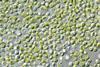
NewsFreshwater alga could be the next superfood that feeds the world, reveals AMI award winner
A green alga that grows in lakes and rivers could be the next ‘superfood’ - helping scientists to tackle global food security challenges while promoting environmental sustainability, a new study reveals.
-
 News
NewsAntibiotics of the future are prone to bacterial resistance
Two studies have found that resistance can develop against new antibiotics even before they are widely used, compromising their effectiveness from the start. The studies focused on five critical bacterial species and examined 18 new antibiotics.
-
 News
NewsVentilation in hospitals could cause viruses to spread further
Increased use of ventilation and air cleaners, designed to mitigate the spread of viral infections in hospitals, is likely to have unpredictable effects and may cause viral particles to move around more, according to a new study.
-
 News
NewsA new process with zero emissions for truly biodegradable plastics
A new approach to producing biodegradable plastics - polyhydroxyalkanoates (PHA) - was discovered as a promising alternative that requires minimal organic materials and is naturally produced by photosynthetic microorganisms.
-
 News
NewsPrecision medicine and inflammatory disease: Power of metabolic modelling to generate personalized probiotics
A research study has recently highlighted the application of large-scale computational modelling of metabolomics in the human gut microbiome to design personalised probiotics for treating gut inflammatory diseases.
-
 News
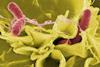
NewsWeather change linked to increased risk of Salmonella outbreaks
A research study has shown a significant impact on Salmonella outbreaks from weather changes, which can be used as a tool to predict risk of outbreaks and implement preventative measures, under a climate change scenario.
-
 News
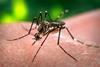
NewsZika uses human skin as ‘mosquito magnet’ to spread virus further
A new study shows that the Zika virus causes metabolic changes in human skin that essentially transforms it from a protective barrier to a magnet for mosquitoes.
-
 News
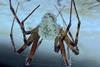
NewsNew fungal species named in honour of Sir David Attenborough making zombies of cave spiders
A study to investigate the identity of a fungus found on a spider during filming of the BBC Winterwatch series in Northern Ireland has confirmed it as a novel species that manipulates its host by compelling it to migrate and die in exposed situations.
-
 News
NewsPapers outline 4 advances for inactivating infectious viruses and bacteria
Four papers provide insights into novel antiviral compounds and methods to inactivate infectious viral particles and bacteria.
-
 News
NewsStudy finds three new safe, effective ways to treat drug-resistant tuberculosis
An international clinical trial has found three new safe and effective drug regimens for tuberculosis that is resistant to rifampin, the most effective of the first-line antibiotics used to treat TB.
-
 News
NewsOral microbiome may affect cognitive function as we age
The microbial ecosystems within our mouths may affect our cognitive function as we age, according to a study. Interventions such as prebiotics, including dietary nitrate, have potential for delaying cognitive decline.
-
 News
NewsInternational disease classification codes ambiguities create challenges in comparing respiratory infection diagnose
The International Classification of Diseases (ICD) system standardizes diagnostic codes globally, enabling accurate comparisons of health data. This study investigated regional differences in respiratory infection diagnoses to identify potential ambiguities in ICD coding and their implications for data comparability.
-
 News
NewsNew study uncovers mechanisms of bacterial dormancy involving protein aggregation
Researchers have revealed a mechanism involving protein aggregation that allows bacteria to enter a dormant state, a phenomenon that is associated with the persistence of infections and the challenge of antibiotic resistance.
-
 News
NewsStudy yields new insights into the immune response of plants
Researchers have identified important components and mechanisms of the molecular machinery that transmits information about a pathogen encounter within the plant organism.
-
 News
NewsTailored guidelines and reduced stigma needed to tackle leprosy, Irish case study reveals
A case report on an adult with an imported case of leprosy in Ireland shows that there are notable challenges in tackling the disease in settings where it is rare. The affected individual was one of five individuals with leprosy reported in Ireland in the past decade.