
More UK & Europe News – Page 40
-
 News
NewsCarrots may help regulate blood sugar and improve gut flora
Current research reveals that carrots may help regulate blood sugar and improve gut flora – a combination that could potentially benefit individuals with type 2 diabetes.
-
 News
NewsResearchers probe parvovirus B19-induced myocarditis cases in preschoolers
Recent reports have linked parvovirus B19 to cases of myocarditis in children. A group of researchers decided to report some cases of myocarditis caused by a regional outbreak of parvovirus B19 in preschoolers.
-
 News
NewsStudy uncovers previously unknown bacterial mode of resistance against viruses
Researchers have discovered a unique mechanism that protects marine bacteria from viruses that attack them.
-
 News
NewsCompound derived from Brazilian plant acts against parasite that causes visceral leishmaniasis
A compound derived from Nectandra leucantha, a tree native to southern Brazil (local names canela-seca or canela-branca), has the potential to be used to treat visceral leishmaniasis, a neglected tropical disease.
-
 News
NewsStudy uncovers complex drivers of phytoplankton bloom
A new study investigates three key processes, each triggered by different aspects of the wind field, that drive the upward transport of nutrients to the surface capable of triggering plankton blooms at the equator.
-
 News
NewsHarnessing AI to respond to the global threat of antimicrobial resistance
An international team of researchers has created an AI tool to bridge critical gaps in knowledge needed for informal policy development in AMR and to assist in the preparation of National Action Plans.
-
 News
NewsExeter launches second round of global funding to tackle antifungal drug resistance
A University of Exeter funding scheme designed to combat the global challenge of fungal antimicrobial resistance (fAMR) has announced a new call for applications.
-
 News
NewsStudy shows head trauma may activate latent viruses, leading to neurodegeneration
Researchers have uncovered mechanisms that may connect the dots between trauma and the emergence of disease, pointing to latent viruses lurking in most of our brains that may be activated by the jolt, leading to inflammation and accumulating damage.
-
 News
NewsTuberculosis strains resistant to new drugs are transmitted between patients
Researchers have identified 514 Mycobacterium tuberculosis strains that are resistant to TB drugs, including both old and new treatment regimens, in 27 countries across four continents. 28% of these strains were transmitted directly from one patient to another.
-
 News
NewsA healthy diet is key to a healthy gut microbiome
Vegan, vegetarian and omnivorous diets affect intestinal microorganisms, but the absence of certain foods from the diet can have complex effects that can be positively or negatively correlated with general well-being.
-
 News
NewsSystem to auto-detect new variants will inform better response to future infectious disease outbreaks
Researchers have come up with a new way to identify more infectious variants of viruses or bacteria that start spreading in humans - including those causing flu, COVID, whooping cough and tuberculosis.
-
 News
NewsBacteria to the rescue: a sustainable solution for growing organoids
Researchers have developed a new way to grow organoids using Invasin, a protein produced by bacteria, offering a sustainable, affordable and animal-free alternative to currently used methods.
-
 News
NewsEvolutionary study reveals the toxic reach of disease-causing bacteria across the plant kingdom
The capacity of bacteria to spread disease across the plant kingdom may be much more widespread than previously suspected, according to a comparative evolutionary analysis, using the diversity of Pseudomonas syringae bacteria.
-
 News
NewsThe role of understudied dysfunctional immune cells in severe COVID-19: new research
A new study focuses on understanding how ‘notoriously understudied’ immune cells behave abnormally in patients with severe COVID-19 and provides insights into mechanism behind COVID-19 disease progression.
-
 News
NewsConnectivity loss in pond networks threatens microbial biodiversity
A recent study explored the effects of connectivity loss within pond networks, using an outdoor experimental setup of artificial ponds (mesocosms).
-
 News
NewsPhytochromes: The ‘eyes’ that enable microalgae to find their way in the depths
By studying the light perception process of diatoms, a group of phytoplankton, scientists have discovered that these microalgae use light variation sensors which are codified in their genomes: phytochromes.
-
 News
NewsAfter lockdown, immune system reacts more strongly to viruses and bacteria
The lockdowns during the COVID-19 pandemic had a significant impact on people’s immune response to microorganisms. During the lockdown, inflammation level in the body was low, but afterwards, the immune system reacted more intensely to viruses and bacteria.
-
 News
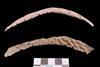
NewsSyphilis had its roots in the Americas, archaeological bone reveals
New research supports a root in the Americas for syphilis and its known relatives, and their introduction to Europe starting in the late 15th century is most consistent with the data, scientists say.
-
 News
NewsCheese starter cultures yield insights into history of domestication of bacteria
A new study shows that the bacteria used to produce Gruyère, Emmental and Sbrinz cheese show signs of ancient domestication.
-
 News
NewsStart-up EBViously announces its launch
EBViously, a spin-off of Helmholtz Munich, officially started operations on 11 November 2024. The company is developing a preventive vaccine against diseases caused by the Epstein-Barr virus (EBV).