
More UK & Europe News – Page 48
-
 News
NewsArtificial ‘nose’ can sniff out damaged fruit and spoiled meat
The smell of cut grass, or the fumes from refueling your car, are all the result of volatile organic compounds. A new approach to antenna technology can actually detect and identify them.
-
 News
NewsMERS coronavirus vaccine tested as safe and effective in phase Ib clinical trial
The safety, immunogenicity and optimal dosing regimen of the MVA-MERS-S vaccine candidate have been investigated in a phase Ib study in healthy individuals who were previously infected with SARS-CoV-2.
-
 News
NewsTuberculosis changes liver metabolism and could promote diabetes
Scientists have discovered that tuberculosis disrupts glucose metabolism in the body and can promote progress to diabetes.
-
 News
NewsAncient viral DNA in human genome linked to multiple sclerosis and amyotrophic lateral sclerosis
New research has revealed a connection between ancient viral DNA embedded in the human genome and the genetic risk for two major diseases that affect the central nervous system.
-
 News
NewsChemical trick activates antibiotic directly at the pathogen
Scientists have seen promising results after experimenting with a click-to-release approach that deploys a masked form of colistin to the site of an infection so that it is no longer as damaging to the kidneys while maintaining its high antibiotic efficacy.
-
 News
NewsLoss of ‘nitrogen fixers’ threatens biodiversity and ecosystems
A new study reveals that increased nitrogen deposition from human activity is reducing the diversity and evolutionary distinctiveness of nitrogen-fixing plants, leading to simplified plant communities with fewer species of nitrogen fixers.
-
 News
NewsMaterials of the future can be extracted from wastewater
Researchers are revolutionizing what biomass from wastewater treatment plants can be used for. Biopolymers from bacteria can be a sustainable alternative to oil-based products, and phosphorus and other minerals can also be harvested.
-
 News
NewsPart of the GBHSH community in Spain uses doxycycline to prevent STIs
Researchers have carried out the first study in Spain on the use of DoxyPEP as a preventive strategy among the gay, bisexual and other men who have sex with men (GBHSH) community in Spain.
-
 News
NewsSweden becomes first country to meet UN targets for HIV epidemic
Sweden has reached the UNAIDS and WHO targets for the HIV epidemic, according to a study in Eurosurveillance by researchers at Karolinska Institutet and others. According to the researchers, Sweden is the first country in the world to achieve these targets. Source: Andreas Andersson Anders Sönnerborg Sweden ...
-
 News
NewsResearchers use AI to help detect antibiotic resistance
Researchers have used artificial intelligence (AI) to help identify antibiotic-resistant bacteria. The team is the first to investigate how GPT-4, a powerful AI model developed by OpenAI, can be used to analyze antibiotic resistance.
-
 News
NewsGenetic analysis of bacteria from humans and animals paves the way for new active ingredients
A research team has set itself the goal of finding natural products that can be used to treat non-infectious diseases by directly searching the bacteria that colonize humans and animals and play a role in the development of diseases.
-
 News
NewsNew international research alliance to tackle Mpox epidemic in Africa
MpoxVax AFRIVAC is a new €1.3 million international consortium that aims to rapidly deploy technology and develop new knowledge to end the current Mpox outbreak in the Democratic Republic of Congo (DRC) and surrounding countries.
-
 News
NewsPhages could replace harmful pesticides with a cleaner, greener alternative
Use of phage therapy in farming could be valuable in replacing chemical pesticides with a safer and greener alternative, helping to address climate change, according to a new review in Sustainable Microbiology.
-
 News
NewsScientists discover new process to drive anti-viral immunity
Scientists have discovered a new process in our immune systems that leads to the production of an important family of anti-viral proteins called interferons.
-
 News
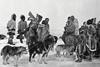
NewsBacteria in meat-eaters’ stomachs today reveal what was on the menu for the first humans
A distinct variant of Helicobacter pylori, which arose hundreds of thousands of years ago and spread around the world with us, shows that the genetic variation found in the bacteria in our stomachs today can reveal what our ancestors ate.
-
 News
NewsEurope’s first ever conference for minoritised life scientists set for Spring 2025
A unique group of life science professionals and advocates has come together to launch the Minoritised Life Scientists Future Forum, the first major conference in Europe dedicated to supporting and showcasing the contributions of marginalised and underrepresented communities in the life sciences.
-
 News
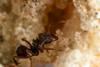
NewsFarmer ants’ wearable bacteria
A study investigates the evolution of beneficial bacteria that live inside and on the surface of farming ants.
-
 News
NewsLettuce and broccoli more resistant to drought
Researchers have developed a product based on four natural extracts from different plants and algae that stimulates the defences of crops in conditions of drought and salinity.
-
 News
NewsNovel app tracks travel-related illnesses
Travelers fall ill surprisingly often during their travels, with health issues occurring on more than one-third of trips, reveals data collected by a novel travel app developed by researchers in cooperation with the World Health Organization (WHO).
-
 News
NewsFermented black garlic extract shows promise against prostate cancer
Researchers test the protective effect of a fermented black garlic extract against inflammation and the progression of prostate cancer in a study conducted on human prostate cancer cell models in the laboratory.