
More USA & Canada News – Page 14
-
 News
NewsScientist awarded $5 million to improve mental health and HIV care for adolescents in Uganda
The National Institutes of Health (NIH) has awarded Dr. Philip Kreniske $5,115,391 for a groundbreaking research project to improve mental health and antiretroviral treatment adherence among adolescents living with HIV in rural Uganda.
-
 News
NewsUnder half in US would recommend some routine vaccinations during pregnancy
Data from a new APPC health survey finds a reluctance among the public to recommend that someone who is pregnant get a Covid-19 vaccine, with just 38% saying they would do so. Less than half of the survey respondents (42%) say it is safe to take an mRNA Covid-19 vaccine during pregnancy.
-
 News
NewsRisk of long COVID in kids doubles after second infection
Children and adolescents were twice as likely to experience long COVID after catching COVID for the second time, compared to their peers with a single previous infection, results running counter to the popular perceptions that COVID in children is ‘mild’.
-
 News
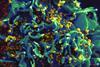
NewsResearchers uncover HIV mystery that could unlock the path to a cure
Researchers have identified for the first time how HIV enters a dormant state in infected cells that allows the virus to “hide” from the immune system and current treatments. HIV orchestrates its own survival by reprogramming host cells to create the perfect hiding place.
-
 News
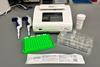
NewsNew one-hour, low-cost HPV test could transform cervical cancer screening in Africa and beyond
A team of researchers has developed a simple, affordable human papillomavirus (HPV) test that delivers results in less than an hour with no specialized laboratory required.
-
 News
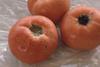
NewsNew clues in how plant microbiomes protect against bacterial speck disease
A new study gives new clues on how a tomato plant’s microbiome can be used to combat the bacterial speck pathogen. Researchers found populations of Xanthomonas and Pseudomonas bacteria on the plants that had developed a resistance against bacterial speck.
-
 News
NewsNatural antimicrobial drugs found in pollen could help us protect bee colonies from infection
Pollen gathered by honeybees contains antimicrobial-producing bacteria that protect the hive against disease, a new study reveals. The same beneficial bacteria occur in pollen stores of honeybee colonies and on pollen of nearby plants.
-
 News
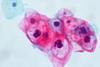
NewsStudy shows HPV vaccine protects vaccinated — and unvaccinated — women
A study has found that the introduction of the human papillomavirus (HPV) vaccine in community settings is highly effective in protecting young women from infections caused by the cervical-cancer-causing virus—including women who didn’t even receive the vaccine.
-
 News
NewsDeadly pathogens found in commercial raw cat foods
An analysis of commercial raw cat foods detected disease-causing microbes, including some that are resistant to antibiotics, creating risks for both pets and their owners, according to a new study.
-
 News
NewsStudy shows mucus contains molecules that block Salmonella infection
Researchers have identified mucins that defend against Salmonella and other bacteria that cause diarrhea. They now hope to mimic this defense system to create synthetic mucins that could help prevent or treat illness in soldiers or other people at risk of exposure to Salmonella.
-
 News
NewsTwo-drug combination shows promise in helping heal chronic wounds
By adding small doses of a simple molecule called chlorate to standard antibiotics, researchers foundthe combination proved 10,000 times more effective at killing bacterial cells in the lab than single-drug antibiotics.
-
 News
NewsInactive H5N1 influenza virus in pasteurized milk poses minimal health risks
Proteins and genetic material from H5N1 influenza viruses have been found in pasteurized milk in the United States, but a study shows those inactive viral pieces represent little to no health risk. H5N1-contaminated milk that was pasteurized did not significantly affect the immune system.
-
 News
NewsNew mechanisms for bacterial motility and DNA transfer between bacteria decoded
Scientists have discovered a new family of signaling proteins, widespread in the bacterial kingdom and contributing to regulating bacterial motility and DNA uptake mechanisms.
-
 News
NewsGlobal Virus Network launches multi-country mpox diagnostic evaluation to close global preparedness gaps
The Global Virus Network has initiated one of the first coordinated, multi-country evaluations of rapid point-of-care mpox diagnostics, a critical step to prevent resurgence and ensure the world is better prepared for future epidemics.
-
 News
NewsNew study supports gene-tailored radiation doses to treat HPV+ throat cancer
Genetic testing can identify patients with HPV-positive throat cancer who may benefit from lower radiation doses, according to a new study that builds on a growing body of evidence that radiation treatment can be personalized using tumor genomics.
-
 News
NewsBeyond viruses: Expanding the fight against infectious diseases
The newly renamed Gladstone Infectious Disease Institute has broadened its mission to address global health threats ranging from antibiotic resistance to infections that cause chronic diseases.
-
 News
NewsDespite increase in U.S. cases, worry about West Nile virus remains low
Despite this season’s growing number of cases, relatively few Americans worry about becoming infected by West Nile or by dengue fever, another mosquito-borne illness, according to a survey of nearly 1,700 U.S. adults.
-
 News
NewsVirologist leading team to bolster Canada’s ability to respond to future pandemics, public health emergencies
With $3M in new federal funding over two years, University of Ottawa Faculty of Medicine molecular virologist Dr. Marc-André Langlois and a multidisciplinary team of collaborators will be a vital part of Canada’s ability to respond effectively to infectious disease threats & future pandemics.
-
 News
NewsMeta-analysis: COVID-19 vaccination during pregnancy is safe and beneficial for mother and infant
Vaccination is associated with better neonatal outcomes without added maternal risk, according to research presented during the American Academy of Pediatrics 2025 National Conference & Exhibition.
-
 News
NewsMilk matters: How donor human milk storage affects preemie gut health
A study reveals that shorter storage durations of donor human milk are linked to reduced gastrointestinal complicatoins in premature infants, including necrotizing enterocolitis. These findings suggest that minimizing milk storage time may help to preserve protective properties crucial for preterm gut health.