
More USA & Canada News – Page 42
-
 News
NewsResearchers find live hantavirus is carried in various New Mexico small mammal species
A study was carried out to find out the reasons why human cases of the sin nombre hantavirus were concentrated in one particular region of New Mexico, even though the virus was found in 30 species of rodents and small mammals endemic to a different region.
-
 News
NewsBreakthrough as researchers discover new class of antibiotics
Researchers have identified a strong candidate to challenge even some of the most drug-resistant bacteria on the planet: a new molecule called lariocidin.
-
 News
NewsCorrecting imbalance with the gut microbiota after stroke could reduce brain inflammation
An imbalance in ligands, which are molecules produced by the body and the gut microbiota, can affect a key receptor protein that plays a role in brain inflammation after stroke, according to researchers.
-
 News
NewsMeasles elimination versus eradication: The difference explained
As of March 13, the CDC has confirmed 301 cases of measles as well as the death of a child in Texas. Amira Roess, an epidemiologist and professor of global health, clarifies the benefits of vaccinating children and adolescents against measles.
-
 News
NewsAntibiotic exposure in infancy may boost Type 1 diabetes risk - but microbiota can help
Exposure to antibiotics during a key developmental window in infancy can stunt the growth of insulin-producing cells and may boost risk of diabetes later in life. But the research pinpoints specific microbes that may help those critical cells proliferate in early life.
-
 News
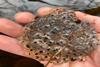
NewsTadpoles try to flee dangerous virus in their pond by growing much faster than normal
A new study shows that larvae of wood frogs respond to the presence of a deadly ranavirus by growing and maturing precociously. In response to ranavirus, tadpoles change their growth, development, and resource allocation, which may help them tolerate the energetic demands of infection or escape risky environments to avoid infection.
-
 News
NewsC. diff uses toxic compound to fuel growth advantage
The pathogen C. diff — the most common cause of health care-associated infectious diarrhea — can use a compound that kills the human gut’s resident microbes to survive and grow, giving it a competitive advantage in the infected gut.
-
 News
NewsGrowing body of evidence links HPV with heart disease
In addition to causing several types of cancer, human papillomavirus (HPV) appears to bring a significantly increased risk of heart disease and coronary artery disease, according to a study.
-
 News
NewsNewer hepatitis B vaccine shows promise as booster for health care workers
A new study compares the effectiveness of Heplisav-B, a new hepatitis vaccine, vs. standard hepatitis B vaccines as a booster in previously vaccinated individuals.
-
 News
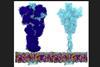
News‘Low-sugar’ vaccine can provide broad immunity against coronavirus variants
A universal vaccine for coronaviruses removes sugar molecules from an area of a coronavirus spike protein that rarely mutates and creates effective and plentiful antibodies to inactivate the virus.
-
 News
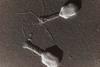
NewsNew study sheds light on how bacteria ‘vaccinate’ themselves with genetic material from dormant viruses
Scientists have gained understanding on how bacteria defend themselves from phages, through gaining “memories” from predecessor dormant phages. The study will inform new phage therapies for bacterial infections that confer resistance to antibiotics.
-
 News
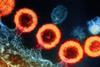
NewsSimulation model shows potential affordability of preventative HIV therapy for infants
A type of cost-effective HIV neutralizing antibodies was evaluated to prevent the viral infection in infants during breastfeeding in high HIV prevalance countries. This treatment option is comparatively cheaper and has high clinical impacts in high HIV burden settings to achieve global elimination.
-
 News
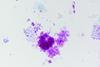
NewsBartonella and babesia found in brain tissue of child with seizures
In a new case study, researchers have found Bartonella henselae, Babesia odocoilei and Babesia divergens-like MO-1 DNA in brain tissue samples from a young child with seizures and suspected Rasmussen’s encephalitis.
-
 News
NewsAntibody-based therapy is several steps closer to treat lethal mucormycosis
A new paper discusses the use of monoclonal antibodies to target a key fungal cell surface protein, CotH, which enables the Mucorales fungus to invade human cells and cause mucormycosis, which has high mortality rates in people with weakened immune systems.
-
 News
NewsA high-fat diet may impair response to infection
A new study in The Journal of Immunology reveals how a high-fat diet may impair the immune system’s ability to respond to infection by impacting the function of neutrophils, one of the first immune cells to respond to bacteria or viruses. The study demonstrated that male mice fed a high-fat ...
-
 News
NewsNew model predicts how bacteria navigate obstacles to spread
A scientist has developed the first analytical model for predicting how bacteria spread in environments filled with obstacles. This model will help inform strategies for curbing bacterial infections or for designing better drug delivery.
-
 News
NewsResearchers test new, more reliable method to detect chagas disease
Researchers have successfully tested a faster, more sensitive and reliable way to diagnose Chagas disease, a debilitating parasitic illness that affects approximately 6 million people worldwide.
-
 News
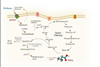
NewsFrom pollution to polymer: Methane-munching microbe brews biodegradable plastic at high speed
Scientists have tapped into a methane-consuming bacterium, Methylocystis suflitae, to produce biodegradable plastics called polyhydroxyalkanoates (PHAs), offering a dual win for climate and sustainability.
-
 News
NewsMcMaster leads Canada’s first-ever guidelines for Post COVID-19 Condition
A team of experts from McMaster University has led the creation of Canada’s first-ever comprehensive guidelines for diagnosing, managing, preventing, and treating post COVID-19 condition (PCC), more commonly known as long COVID.
-
 News
NewsFour advances that could change tuberculosis treatment
World Tuberculosis Day commemorates Robert Koch’s discovery of the source bacterium Mycobacterium tuberculosis. Scientists are still refining TB diagnosis methods and treatment strategies - some of the latest innovations are revealed here.