
Ports are vital nodes in global trade, with more than 80% of international merchandise transported by sea, but they are also exposed to intense pressures from coastal urbanization, cargo handling, wastewater discharge, and shipping operations. Bacteria in port waters play important roles in carbon and nutrient cycling, while also responding quickly to environmental change and pollution.
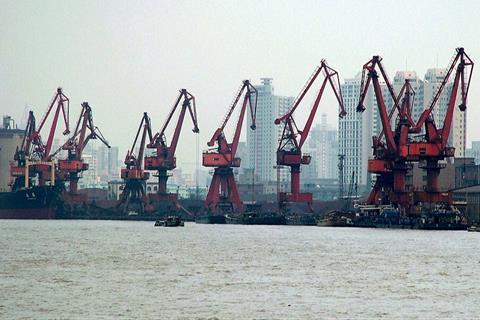
Previous studies have examined microbial communities in specific ports or coastal regions, but global patterns in port water bacteria, including their geographic distribution, core taxa, potential pathogens, and links to human activity, have remained insufficiently understood. These gaps limit the ability to assess ports as possible hotspots for microbial dispersal and biosecurity risk.
A study (DOI:10.48130/biocontam-0026-0005) published in Biocontaminant on 01 May 2026 by Jianhong Shi’s team, Shanghai Maritime University, reports that global port water bacterial communities show distance-decay patterns, mid-latitude richness peaks, shared core bacteria, regionally variable potential pathogens, and strong associations with port capacity and wastewater discharge.
By analyzing more than 16 million 16S ribosomal RNA (16S rRNA) gene sequences from 1,045 port water samples collected in 23 cities across five continents, the study found clear biogeographic patterns, a core set of dominant bacterial genera, and widespread potential pathogens.
Gene sequencing datasets
The researchers compiled publicly available 16S rRNA gene sequencing datasets from the National Center for Biotechnology Information (NCBI) and the European Nucleotide Archive (ENA), retaining only high-quality paired-end Illumina V3–V4 sequences with complete metadata. The final dataset covered 1,045 samples from 23 ports in eight countries across Europe, Asia, North America, Oceania, and Africa.
Sequence processing was performed using Quantitative Insights into Microbial Ecology 2 (QIIME2), with amplicon sequence variants (ASVs) classified against the SILVA database. The team also used Functional Annotation of Prokaryotic Taxa (FAPROTAX) to infer ecological functions, a multiple bacterial pathogen detection pipeline to screen potential pathogens, null-model analysis to evaluate community assembly processes, and SourceTracker to estimate possible microbial sources.
Bacterial diversity
The analysis identified 23,302 ASVs and showed significant variation in bacterial diversity across continents and latitudinal zones. Species richness did not follow a simple tropical-to-polar decline; instead, richness peaked in mid-latitude ports, while bacterial community similarity declined with geographic distance.
This distance-decay pattern was weaker in high-capacity ports, suggesting that intensive shipping may promote microbial dispersal and partially homogenize communities across distant locations.
Across the global dataset, 12 core bacterial genera accounted for 23.5% of the community. SAR11 subclade IIIa was the most abundant core lineage, followed by the NS5 marine group, indicating the importance of carbon cycling and organic-matter processing in port ecosystems.
Functional prediction revealed 77 metabolic and ecological groups, with chemoheterotrophy, aerobic chemoheterotrophy, phototrophy, nitrogen-related processes, and hydrocarbon degradation varying by region and latitude.
Potential pathogens
The study also detected 295 potential pathogenic bacterial ASVs, representing about 6% of total sequences. These included animal and zoonotic pathogens, with clear regional differences; Africa showed the highest relative abundance of potential pathogens, while Asia and Europe had higher proportions of potential zoonotic pathogens than North America.
Null-model results indicated that deterministic ecological processes dominated global port water bacterial community assembly.
Source tracking linked port water bacteria mainly to air and human-associated sources, especially human excretion. Further analysis showed that port capacity was the strongest factor associated with bacterial community variation, while wastewater discharge was negatively correlated with bacterial diversity but positively associated with pathogen abundance.
Overall, the study shows that port waters are not merely passive coastal environments but dynamic microbial crossroads shaped by geography, environmental conditions, wastewater inputs, and maritime transport. By identifying global microbial patterns, core taxa, potential pathogens, and anthropogenic drivers, the work provides a scientific basis for port ecosystem surveillance, ballast water management, and microbial risk assessment.





No comments yet