
All Probiotics, Prebiotics & Synbiotics articles – Page 5
-
 Opinion
Could livestock-originated probiotics replace synthetic antibiotics for livestock?
In many developing countries, the use of antibiotics in both humans and animals is often indiscriminate and poorly regulated. Could livestock-originated probiotics be a suitable replacement?
-
 News
NewsPoultry growers: Have you checked your water lines lately?
Water quality could impact the kind of microbial populations in poultry drinking water lines and lead to the buildup of a biofilm that can harbor pathogenic bacteria like Salmonella, according to a new study.
-
 News
NewsMore than a feeling: Could a healthier gut improve mental health?
A new review finds strong causal evidence that gut microbes can change brain chemistry, stress responses and behaviours in animal models; and evidence that probiotics, diet changes, and faecal microbiota transplants improve mood and anxiety.
-
 News
NewsFinal Call: Submit your breakthrough for the 2025 ISM × RIKEN Microbiota Innovation Awards in Tokyo
Yakult, Meiji, Morinaga, Metagen and other industry pioneers join global scientists at Happo-en to celebrate microbiota-driven discoveries; nominations close October 7, 2025
-
 News
NewsChristensenella tenuis inhibits gut-derived endotoxins to alleviate metabolic disorders
The gut probiotic Christensenella tenuis significantly alleviates endotoxemia and metabolic disorders by modulating gut bile acids (BAs) metabolism and suppressing lipopolysaccharide (LPS) translocation across the gut barrier, a new study finds.
-
 News
NewsGut punch: $2 million to decode bacteria’s role in fighting disease
A $2 million grant to UC Riverside will explore how gut bacteria shape human health. The NIH award will support Ansel Hsiao’s lab in its quest to answer questions about how gut microbes communicate with each other and with their human hosts to influence health.
-
 News
NewsEngineered gut bacteria improves survival outcomes in colorectal cancer tumors
A genetically modified Salmonella typhimurium strain can colonise tumours and release a therapeutic protein, LIGHT, to induce the formation of mature tertiary lymphoid structures (mTLSs) in laboratory models.
-
 Opinion
Understanding the gut microbiome: are we missing essential information?
Undoubtedly, the gut microbiome is key to understanding the impact of diets and lifestyles on health. However, despite decades of scientific advancements, the connection between gut microbiome shifts and perceived health benefits remains unclear.
-
 News
NewsCan the ‘good’ bacteria in your mouth act as probiotic cavity fighters?
Discovery of clumping molecules made by gene clusters in the oral microbiome may lead to ways to reengineer the microbes in plaque, a new study shows.
-
 News
NewsAre probiotics worth the cost to prevent infection after a colon removal surgery?
A study found that taking an 8-strain probiotic daily may reduce the risk of pouchitis, a common inflammatory condition that occurs after colon removal surgery for ulcerative colitis, but the treatment may not be worth the cost depending on a patient’s likelihood of flare-ups.
-
 Video
VideoThe Microbiologist: Under the Lens | Episode 1
In our first episode, Professor Raquel Peixoto joins Professor Jack Gilbert for a deep dive into coral reefs, microbes, and the future of our planet.
-
 News
NewsUnder The Lens: Raquel Peixoto reveals how tourists armed with probiotics could save world’s coral reefs
A fascinating conversation between Applied Microbiology International President Professor Jack Gilbert and Professor Raquel Peixoto examines how understanding and leveraging coral microbiomes is leading to innovative probiotic solutions to boost coral resilience.
-
 News
NewsMouth to gut bacteria migration explains why smoking is good for inflamed bowels
Researchers have discovered why smoking tobacco helps people suffering from ulcerative colitis. The study shows that smoking produces metabolites that encourage bacteria from the mouth to grow in the large intestines where they trigger an immune response.
-
 News
NewsCommon food bacterium could help make vitamins cheaper and greener
A new study reveals how Lactococcus lactis, a common food bacterium, regulates the production of a key precursor in vitamin K₂ (menaquinone) biosynthesis. The bacteria produce enough of this precursor to support their growth while preventing toxic buildup.
-
 News
NewsDisarming a hidden killer: Predicting – and preventing – C. diff before it strikes
Researchers have developed a powerful, personalized modeling framework to predict whether Clostridioides difficile is likely to colonize an individual’s gut, and to test whether specific probiotic therapies might prevent and/or reverse that colonization.
-
 News
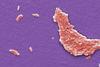
NewsBacterial signaling molecule that choreographs flip between biofilm and motility could transform biotechnology and medical applications
A bacterial signaling molecule involved in flipping the switch between sessile and motile forms could offer huge potential in improving probiotics, boosting wastewater treatment and producing therapeutic compounds.
-
 News
NewsNew research uncovers gut microbe-derived metabolites as potential therapy for obesity-related metabolic disorders
New research reveals that certain gut microbial byproducts may hold promise as a novel therapy for obesity-associated metabolic complications by restoring critical hormone-producing cells in the intestine.
-
 News
NewsProbiotics can help or hinder gut recovery after antibiotic treatment
All probiotics are not created equal, according to new research. In a mouse model, researchers found that different probiotic strains can either accelerate or delay the gut microbiome’s recovery after antibiotic treatment.
-
 News
NewsYour microbiome, your medicine: Scientists gather in Valencia to redefine the future of health
The International Society of Microbiota (ISM) will host the 12th World Congress on Targeting Microbiota, presenting groundbreaking research that positions the human microbiome as a central determinant of health and disease across multiple organ systems.
-
 News
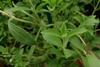
NewsFermented stevia leaf extract has potential as anticancer treatment, researchers find
Stevia may provide more benefits than as a zero-calorie sugar substitute. When fermented with bacteria isolated from banana leaves, stevia extract kills off pancreatic cancer cells but doesn’t harm healthy kidney cells, according to a research team.