
All Probiotics, Prebiotics & Synbiotics articles
-
 News
NewsA tiny bacterium with a huge impact
Researchers have discovered that gut bacteria and the compounds they produce trigger biological processes that the human body on its own can only activate with difficulty. They help suppress inflammation and may also have beneficial effects on fatty liver disease.
-
 News
NewsBeyond the gut: Necrotizing enterocolitis drives neurodevelopmental impairment through gut-derived inflammation
A severe gut disease in premature infants, known as necrotizing enterocolitis (NEC), does far more than damage the intestines—it fundamentally alters brain development, leaving up to 40% of survivors with lasting cognitive, motor, and behavioral impairments.
-
 News
NewsCan probiotics help T cells fight solid tumors more effectively?
Transferred T cells often have difficulty reaching tumors and overcoming the strongly immunosuppressive environment surrounding cancer cells. Researchers have combined therapeutic T cells with engineered probiotics, physically attaching the bacteria to the surface of T cells to create a hybrid system called T-FOLactis.
-
 News
NewsApplied Microbiology International announces new president, Professor Raquel Peixoto
Applied Microbiology International is delighted to announce that Professor Raquel Peixoto will be taking over the reins from Professor Jack Gilbert as President.
-
 News
NewsC. diff coordinates threat response to survive in gut
Researchers have discovered a unique system C. diff uses to simultaneously sense and respond to two different threats: host-mediated nutrient deprivation and a microbiota-produced antibiotic compound, suggesting new therapeutic options for preventing and treating C. diff infections.
-
 News
NewsProbiotic use surges - but microbiome-supportive food consumption stagnates
New research finds that probiotic supplement use has surged in the United States, while the consumption of microbiome-supportive foods has remained virtually unchanged. According to a study published in Clinical Gastroenterology and Hepatology, the consumption of probiotic supplements increased 287% among adults from 2009-2023 and 786% among ...
-
 News
NewsProbiotic and postbiotic treatments revive heat-stressed corals
Researchers have established that both live probiotic and inactivated postbiotic treatments improve coral health—while the animals are under thermal stress during a natural marine heatwave.
-
 News
NewsPropionate from gut bacterium Akkermansia mitigates liver fibrosis
A recent study has identified the gut commensal bacterium Akkermansia muciniphila as a potent modulator of liver fibrosis.
-
 News
NewsMicrobiome signaling system could open new paths for treating IBS-related constipation
New research expands scientists’ understanding of how the gut microbiome communicates with the body, and how our gut bacteria work together to control intestinal movement.
-
 News
NewsCould beneficial bacteria help prevent the body from absorbing lead?
New funding supports early-stage research at Worcester Polytechnic Institute that aims to show how pieces of genetic code produced in the gut by healthy bacteria could block lead exposure.
-
 News
NewsBacterial supplements may boost female fertility
As women get older, their uterine environment changes. Researchers show that treating mice and humans with a beneficial bacterium called Lactobacillus gasseri or derived postbiotics may improve fertility among women over the age of 35.
-
 News
NewsHow ‘good’ bacteria from fecal transplants reduce peanut allergy
Researchers found that some participants with peanut allergies experienced a higher tolerance to peanuts months after receiving a fecal transplant from a healthy donor without food allergies.
-
 News
NewsEating a diverse range of plants everyday results in more favorable changes to microbiome than a probiotic
New research shows eating a wide variety of plants everyday could be more beneficial to the microbiome than taking a standard probiotic.
-
 News
NewsEffect of a novel enteral nutrition mixture with probiotics versus standard enteral nutrition on gastrointestinal complications in critically ill surgical patients
A randomised controlled trial conducted in critically ill patients recovering from abdominal surgery found that a novel probiotic-enriched tube feeding formula reduced serious gut complications dramatically compared to standard enteral nutrition.
-
 News
NewsBioactive metabolite boosts HIV treatment response, reverses gut dysfunction
Scientists have identified a naturally occurring metabolite that repairs gut damage caused by HIV infection and significantly improves the effectiveness of antiretroviral therapy in the nonhuman primate model of HIV/AIDS.
-
 News
NewsUniversity licenses indigenous Thai probiotic technology to Greater Pharma for commercialization
Chulalongkorn University, through the CU Innovation Hub, has signed a licensing agreement with Greater Pharma Manufacturing Co., Ltd. to transfer probiotic technology developed from indigenous Thai microbial strains. The technology will be commercialized as health products under the Prometa brand. This marks another significant step in bringing ...
-
 News
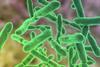
NewsBugs as drugs: Engineered gut bacteria show promise against pancreatic cancer
Cancer immunotherapies have transformed treatment for many cancers, but pancreatic cancer remains especially difficult to treat. One major reason is that pancreatic tumors often create a “cold” tumor microenvironment, where the tumor prevents immune cells from mounting a strong attack. In a new study published in Science ...
-
 News
NewsAI and robotics accelerate search for better gut microbiome therapies
Biomedical engineers have demonstrated a method for systematically developing novel, complex combinations of probiotics and prebiotics to more effectively maintain gut health and treat various gastrointestinal diseases.
-
 News
NewsPrebiotic sodas typically contain as much sugar as fiber
Prebiotic sodas have become more popular in recent years. According to a new analysis, however, many of these beverages contain relatively little prebiotic fiber content and more sugar than marketing claims might imply.
-
 Features
Soil microbes and the hidden network connecting plants, animals, and humans
Coevolution has shaped Earth’s ecosystems for over a billion years. However, climate change and unprecedented anthropogenic activities have placed immense pressure on the soil ecosystem over the past few decades.