
All Research News articles – Page 78
-
 News
NewsMore investigations needed into Wumei Pills-Lactobacillus Reuteri-intestinal stem cell axis for chemotherapy-Induced mucositis
A new letter appraising a recent study suggests the reported benefits of WMP and Lactobacillus reuteri in chemotherapy-induced mucositis are promising, but stronger causal and analytical foundations are needed.
-
 News
NewsSourdough starters reveal a recipe for predicting microbial species survival
Scientists used microbes in bread dough to test a simple way to understand how species live together in nature.
-
 News
NewsBiologists and engineers follow goopy clues to plant-wilting bacteria
Slippery, drippy goop makes Ralstonia bacteria devastating killers of plants, causing rapid wilting in tomato, potato and a wide range of other crops, according to new research.
-
 News
NewsAncient DNA pushes back record of treponemal disease-causing bacteria by 3,000 years
Scientists have recovered a genome of Treponema pallidum from 5,500-year-old human remains in Sabana de Bogotá, Colombia. The research expands knowledge about the history of this infectious disease and its occurrence in human populations.
-
 News
NewsNew research suggests gut bacteria may be linked to memory decline in mild cognitive impairment and Alzheimer’s disease
A new review is shedding light on the growing evidence that gut microbiome imbalances—known as dysbiosis—may play a key role in the development and progression of mild cognitive impairment (MCI) and Alzheimer’s disease.
-
 News
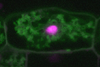
NewsScientists illuminate ancient plant-fungus partnership at molecular level
Researchers have coupled two powerful tools that allow scientists to identify which proteins work together to make plant-fungi partnerships function—and to verify those interactions in living plant roots, where the collaboration actually occurs.
-
 News
NewsResurrected ancient enzyme offers new window into early Earth and the search for life beyond it
By resurrecting a 3.2-billion-year-old enzyme and studying it inside living microbes, researchers have created a new way to improve our understanding of the origins of life on Earth. The study uses synthetic biology to reverse-engineer modern enzymes and rebuild their possible ancestors.
-
 News
NewsTwo days of oatmeal reduce cholesterol level - thanks to impact on gut microbes
A short-term oat-based diet appears to be surprisingly effective at reducing the cholesterol level. The diet apparently influenced the composition of microorganisms in the gut. The metabolic products, produced by the microbiome, appear to contribute significantly to the positive effects of oats.
-
 News
NewsExpert consensus on clinical applications of fecal microbiota transplantation for chronic liver disease
To assist clinicians in rapidly mastering and standardizing the clinical application of FMT for chronic liver disease, an expert consensus has been developed to address key aspects of FMT application and provide reference and guidance for clinical practice.
-
 News
News‘Trojan horse’ may deliver toxic dose of copper to bacterial colonies, including drug-resistant MRSA infections
A research team is developing a drug that works in combination with copper to kill bacteria, including those that cause MRSA, a type of staph infection that is resistant to usual treatments.
-
 News
NewsHow a single gene shapes gut health and IBD risk
Two recent studies highlight the role of a gene called PTPN2 in protecting the gut from harmful bacteria linked to inflammatory bowel disease (IBD). When PTPN2 does not function properly, the gut becomes more vulnerable to infection and inflammation.
-
 News
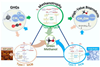
NewsMethane eating microbes turn a powerful greenhouse gas into green plastics, feed, and fuel
Methane eating microbes could help turn a powerful greenhouse gas into everyday products like animal feed, green plastics, and cleaner fuels, according to a new scientific review of fast moving research on these unusual bacteria.
-
 News
NewsHow a potential antibiotics ban could affect apple growers
Antibiotic resistance in human and animal health is on the forefront of public debate, but it’s a less well-known issue in plant agriculture. However, antibiotics are important tools in fruit production, and their efficacy hinges on avoiding resistance in disease-causing bacteria. Source: Tianna DuPont, WSU Extension Apple ...
-
 News
NewsEndogenous retroviruses promote early human zygotic development
New findings offer insight into why some embryos fail to develop past zygotic genome activation (ZGA), pointing to an unexpected root of human infertility.
-
 News
NewsSecret of youth: New study shows gut microbiota directly regulates intestinal stem cell aging
A new study reveals that age-related changes in the gut microbiota directly impair intestinal stem cell (ISC) function and that restoring a youthful microbial environment can reverse this decline.
-
 News
NewsScientists synthesize medicarpin in baker’s yeast
Scientists have developed a way to synthesize medicarpin in yeast. Like palitaxel in the 1990s, this tumor-attacking sustance has only limited natural quantitites and is considered difficult to synthesize.
-
 News
NewsBreath carries clues to gut microbiome health
Researchers have shown that disease-associated bacteria in the gut can be detected through exhaled breath. They found that chemicals released by gut microbes and captured from the breath of children and mice can reveal the composition of the bacteria living in the intestines.
-
 News
NewsThe hidden microbial communities that shape health in space
A new Perspective article sets out a path to uncover the role of biofilms in health during long-duration spaceflight, and how spaceflight research can reshape our understanding of these microbial communities on Earth.
-
 News
NewsChemotherapy rewires gut bacteria to curb metastasis
Researchers report that chemotherapy-induced damage to the intestinal lining alters nutrient availability for gut bacteria, reshaping the microbiota and increasing the production of indole-3-propionic acid (IPA), a tryptophan-derived microbial metabolite.
-
 News
NewsEvidence of ‘lightning-fast’ evolution found after dino-killing asteroid impact
The asteroid that struck the Earth 66 million years ago devastated life across the planet, wiping out the dinosaurs and other organisms. But new research shows new species of plankton appeared fewer than 2,000 years after the world-altering event.