
All shingles articles
-
 News
NewsScientists discover why shingles pain can last after virus is gone
Researchers have discovered that small particles in the blood called exosomes are the likely culprit behind why some people with shingles experience lingering pain long after virus has cleared their body.The study investigated the cause of post-herpetic neuralgia (PHN) in patients infected with the varicella zoster virus.
-
 News
NewsVaricella zoster virus can cause serious disease beyond chickenpox and shingles
New research is shedding light on the surprisingly broad range of neurological and systemic diseases that can be caused by varicella zoster virus (VZV), the virus that causes chickenpox and shingles.
-
 News
NewsCould preventing shingles also help prevent dementia?
A new study finds that older adults who received a shingles vaccine had a 24% lower risk of developing dementia over four years. The findings add to growing evidence that preventing shingles may also protect against neurological disease.
-
 News
NewsDoes eczema increase the risk of developing shingles?
New research indicates that people with eczema face an elevated risk of developing shingles.
-
 News
NewsShingles vaccine linked to lower dementia risk in older adults, study suggests
A target trial emulation of older adults entering skilled-nursing facilities found that those who received the recombinant shingles vaccine (RZV) had a lower risk of developing dementia over the following four years compared with those who were not vaccinated.
-
 News
NewsShingles vaccine linked to slower biological aging in older adults
Shingles vaccination not only protects against the disease but may also contribute to slower biological aging in older adults, according to a new study.
-
 News
NewsSome acute and chronic viral infections may increase the risk of cardiovascular disease
In the weeks following a bout of influenza or COVID, the risk of heart attack or stroke may rise dramatically, and chronic infections such as HIV may increase the long-term risk of serious cardiovascular disease events, according to new, independent research.
-
 News
NewsTwo-dose recombinant shingles vaccine is effective even accounting for prior receipt of live shingles vaccine
A target trial emulation was conducted to assess the effectiveness of recombinant zoster vaccine (RZV) accounting for prior receipt of live zoster vaccine (ZVL) and immunocompetence. The results suggest individuals vaccinated with ZVL should be revaccinated with two doses of RZV.
-
 News
NewsNational study urges expanded vaccine screening in emergency departments
About 49% of people are unaware of one or more vaccines recommended for them. Further, 86% have not received one or more of these vaccines, according to the first national comprehensive vaccine surveillance study conducted in emergency departments.
-
 News
NewsLong-term low-dose antiviral treatment benefits patients with eye disease and pain from shingles
Long-term, low-dose antiviral treatment reduces the risk for potentially vision-damaging bouts of inflammation and infection, as well as pain, which occur when shingles affects the eye, according to new research.
-
 News
NewsStudy finds shingles increased risk of subsequent cognitive decline
A new study has found that an episode of shingles is associated with about a 20 per cent higher long-term risk of subjective cognitive decline, providing support for getting the shingles vaccine to decrease risk of developing shingles.
-
 News
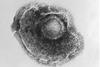
NewsScientists identify key protein behind spread of shingles virus
Scientists have discovered a new evasion strategy used by the varicella zoster virus, which causes chickenpox and shingles, that may allow it to affect tissues far from the original site of infection.
-
 News
NewsLive shingles vaccine still protecting 10 years on - despite waning effectiveness
The effectiveness of live zoster (shingles) vaccine is highest in the first year after vaccination and then wanes substantially, but it continues to provide some protection against shingles ten years after vaccination.
-
 Opinion
Has a viral contribution to Alzheimer’s disease been in front of our noses this whole time?
The concept that a viral infection may induce pathology in regions far from its active location is gaining traction. Could this phenomenon also be at play in Alzheimer’s disease?