
All UK & Rest of Europe articles – Page 16
-
 News
NewsResearchers link human molecular, microbial diversity with geography, ethnicity
Researchers at the Stanford School of Medicine have found that ethnicity and geography may influence human molecular makeup — from metabolism and immunity to gut microbiota and biological aging. The findings, which published in Cell on May 14, illuminate the complex interplay between genetics and the environment, ...
-
-
 News
NewsFriendly skin bacteria offer hope to beat eczema
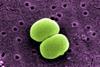
Friendly skin bacteria could hold the key to stopping eczema in its tracks, according to researchers. A new study reveals harmless microbes living on our skin release powerful molecules that can shut down the inflammatory chaos triggered by Staphylococcus aureus, the bug long known to wreak havoc in eczema.
-
 News
NewsExperts call on WHO to revisit its approach to airborne risk in light of hantavirus outbreak
In light of the hantavirus outbreak, public health experts have called on the World Health Organization (WHO) to shift its default response to emerging respiratory viruses. The starting point should not be to downplay the risk of airborne transmission until it is definitively proven, they warned.
-
 News
NewsStudy provides detailed assessment of shifts in toxin producing phytoplankton abundance
Researchers in the UK have shown how the distributions of two phytoplankton groups – known to produce natural toxins that can halt shellfish harvesting – have changed in the North East Atlantic over the last six decades.
-
 News
NewsEurope advances genomic surveillance of CCRE with landmark multi-country study
New survey results provide the most comprehensive genomic picture to date of carbapenem- and/or colistin-resistant Enterobacterales (CCRE) across hospitals in Europe.
-
 News
NewsLAMECS 2026 set to bring the next generation of microbiologists to Manchester
The future of applied microbiology takes centre stage in Manchester next month as the Letters in Applied Microbiology Early Career Scientist Research Symposium (LAMECS) returns for its fifteenth year.
-
 Opinion
Fertile ground: The rise of soil viral ecology
Soil viral ecology has been one of the most neglected areas of microbiology, but technological advances are opening up fertile new frontiers, says AMI Healthy Land Advisory Group member and CNRS researcher Christina Hazard.
-
 News
NewsBody weight affects your gut microbiota
A new study demonstrates that there is a correlation between gut microbiota and body weight. Researchers also observed that having a high BMI is detrimental to gut microbiota.
-
 News
NewsDoes agriculture and climate affect feeding activities of soil animals?
An international research team has shown that soil animal communities have greater trophic diversity in agricultural ecosystems and in tropical regions. Animals that feed on microorganisms – such as nematodes, springtails and mites – had higher trophic diversity than those that feed on dead organic matter or live as predators.
-
 News
NewsFrom ocean to gut: The bacteria that shape both human health and marine carbon cycling
A group of researchers has discovered that Akkermansia bacteria are not unique to our guts, but can also be found in the ocean. In both habitats they use similar skills to ensure their survival and success. They seem to carry an old and widespread survival toolkit.
-
 News
NewsScientists discover ‘hidden switch’ in immune cells that helps the body kill deadly fungus
Scientists have discovered a “control switch” inside our immune cells that helps the body destroy dangerous fungal infections. A protein called RAB5c helps white blood cells kill Aspergillus fumigatus – an airborne fungus that can cause life‑threatening lung infections in people with weakened immune systems.
-
 News
NewsSwansea spin-out Bionema Group receives second King’s Award for Enterprise
Bionema Group Ltd, a Swansea University spin-out specialising in biological crop protection and sustainable agriculture, has been awarded the King’s Award for Enterprise: Sustainable Development 2026. It highlights Bionema’s contribution to developing environmentally sustainable alternatives to synthetic pesticides.
-
 News
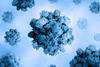
NewsCRISPR system inhibits hepatitis E virus
Researchers have developed a novel antiviral concept - using the CRISPR/Cas13 system, they were able to specifically suppress the replication of the hepatitis E virus in human cells.
-
 News
NewsTen years on, the Nagoya Protocol on sharing genetic resources is still confusing scientists - so here’s some much-needed guidance
More than a decade after the Nagoya Protocol, which aims to fairly share the benefits of utilizing genetic resources, became law, scientists still face practical challenges and confusion. A new guide provides universally applicable frameworks for anyone working with biological resources.
-
 News
NewsAndes hantavirus outbreak: ECDC working on the frontline to support EU Member States
Genomic information also shows that the virus involved in the outbreak is similar to Andes viruses already known to circulate in South America, and is not a new variant. There is currently no evidence that this variant spreads more easily or causes more severe disease than other Andes viruses.
-
 News
NewsUKHSA update on the hantavirus cruise ship outbreak
The UK Government has announced it has worked with international partners to ensure the safe return of all remaining British nationals on board the MV Hondius, with passengers now safely transferred to Arrowe Park Hospital.
-
 News
NewsPregnant women’s mental images are directly linked to vaccine hesitancy and uptake
When pregnant women think about vaccinations, many experience vivid mental images – such as a sick baby in hospital – that have a direct link to their opinion of the vaccine and whether they ultimately have it, new research has shown.
-
 News
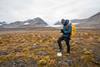
NewsThawing Arctic soil awakens only half of soil microbes, new study reveals
A study shows that even after months of thawing, around half of the microorganisms in High Arctic soils remain dormant. This challenges the assumption that warming uniformly boosts microbial activity and carbon release from thawing permafrost.
-
 News
NewsGut microbiota plays a role in metabolic health after bariatric surgery
Changes in gut microbiota after bariatric surgery are strongly linked to altered metabolic health and sustained improvement in type 2 diabetes. A study shows changes in gut bacterial composition and function are associated with metabolic improvements, including insulin release and blood sugar control.