
All UK & Rest of Europe articles – Page 22
-
 News
Experts convened by WHO advise on candidate treatments and vaccines for Ebola disease caused by Bundibugyo virus
In response to the current outbreak of Ebola disease caused by Bundibugyo virus, WHO convened several of its expert and advisory groups to assess potential vaccines and therapeutics for both prevention and treatment of Bundibugyo virus disease (BVD).
-
 News
Arctic Ocean food chain disrupted as key tipping point passed
An irreversible shift in the chemical make-up of the Arctic Ocean driven by climate change is disrupting the region’s food chain, a study suggests. Widespread loss of Arctic sea ice has led to a sharp fall in levels of a key nutrient, affecting populations of plankton, fish, seabirds and marine mammals.
-
 News
Researchers identify immune ‘energy signature’ linked to tuberculosis protection
Researchers found that circulating monocytes from people with latent TB remain metabolically flexible, allowing them to mount strong antibacterial responses, whereas cells from people with active TB disease show impaired metabolism and weaker responses to infection.
-
 News
Pioneering research sheds new light on what shaped extinction pattern of prehistoric marine life – and size clearly mattered
Scientists have shown conclusively for the first time that tiny marine organisms in polar oceans survived the mass extinction event that wiped out prehistoric dinosaurs because they needed less energy and were more tolerant to darkness.
-
 News
Seven European countries observe drop in chlamydia notifications especially among young people in 2024
After a decade of general increases in chlamydia cases across Europe, the first signs of a decline suggest a possible common driver. Is it a true reduction and will it be a sustainable one?
-
 Careers
From microbiome research to personalized cosmetics: The genesis of BYOME LABS
BYOME LABS was founded through the initiative of David Suissa, an entrepreneur trained at École Polytechnique and the Corps des Mines. After leading companies in the fields of perfumery and applied microbiology, he chose to structure a new approach centered on the biological evaluation of cosmetic products.
-
 News
Researchers link specific microbiomes to archaeological bone degradation
Well-preserved archaeological bone samples have different microbial communities than heavily degraded bone samples, providing a new understanding of how microbes contribute to bone degradation, according to a study.
-
 News
Archaic DNA may lower defences against common DNA viruses in people today
Researchers explored the contribution of archaic DNA - primarily Neandertal ancestry - to the DNA viral load of participants in the UK Biobank. By analysing viral sequences detected in large-scale genomic data, they asked whether archaic variants correlate with the presence or quantity of common DNA viruses.
-
 News
Scientists fight antimicrobial resistance by treating diseases with human antibodies
In a review, researchers highlight the promise of using human monoclonal antibodies (mAbs) to treat patients more effectively and tackle AMR. They say AMR needs to be addressed with multiple and differentiated strategies, and vaccines and mAbs are the most promising tools.
-
 News
Plants predictably select growth boosting microbes regardless of soil type
Soil obtained from across nine UK locations was used to cultivate six key arable crops. Researchers found that although the local soil environment selected which kinds of bacteria were present, the crop species determined the beneficial microbial functions of those bacteria.
-
 News
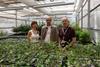
Scientists develop an antifungal aqueous suspension to prevent fungal infections in crops and fruit
Researchers have developed an antifungal aqueous suspension for the prevention of fungal infections in crops and fruit during the pre- and post-harvest stages. The new formulation is aimed at the biotechnology and agricultural sectors.
-
 News
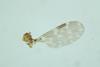
Insect wing identifying app to tackle tropical disease threat
A mobile app that identifies disease-carrying insects from their wing patterns is being developed as part of a project using AI to help diagnose tropical diseases.
-
 News
Gut microbiome clusters may help predict inflammatory bowel disease severity and progression
A new study reports that the gut microbiome of IBD patients can be grouped into distinct compositional “cluster types” associated with disease severity and progression risk. These reflect higher-order microbial community organization rather than variation in individual bacterial species.
-
 News
Call for input: UK government to overhaul fertiliser regulation
Applied Microbiology International is calling on members to contribute after the UK government proposed a major overhaul of fertiliser regulation through a new framework: the UK Fertilising Product Regulations (UK FPR).
-
 News
Climate change weakens the purification function of lakes
Lakes play a vital filtering role in the ecosystem: they remove excess nitrogen from the water. An international research team has now shown that climate change could weaken this natural purification process. This would have consequences extending all the way to coastal marine ecosystems.
-
 News
Cheese bacteria could offer health benefits
Scientists identified the microbial and biochemical profiles of three artisan cheeses made locally in Oxfordshire across their maturation process, and found that the bacteria responsible for a cheese’s character could also benefit the people who eat it.
-
 News
Is organic farming the solution to enhance natural drought resilience in crops?
New research confirms that soils treated organically for decades favor the increase of bacteria, especially the genus Bacillus, which are characterized by being highly resilient to survive in extreme conditions and act as a ‘protective shield’ of plants.
-
 News
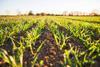
Soil science: How AI could help scientists secure a vital global resource
A new paper outlines how AI tools can accelerate soil science by speeding up early-stage work, improving predictions to support decisions on land-use, carbon, and climate adaptation, handling complex data, and freeing scientists to focus on questions that require expert judgment.
-
 News
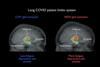
Brain inflammation is unlikely to explain persistent long COVID symptoms
A new brain imaging study has found no evidence of widespread brain inflammation in patients suffering from prolonged symptoms after COVID-19 infection. Instead, the most severe long COVID symptoms were associated with increased brain activity in regions involved in mood and emotion.
-
 News
Applied Microbiology International named one of The Sunday Times Best Places to Work for third consecutive year
Applied Microbiology International (AMI) has been named in The Sunday Times Best Places to Work 2026 list for the third consecutive year, recognising the organisation’s continued commitment to staff wellbeing, flexibility and inclusive working culture.