
All UK & Rest of Europe articles – Page 79
-
 News
NewsGenomic surveillance studies reveal circulation of multidrug-resistant Enterobacterales in Europe
Two studies indicate warning signs about spread of bacteria resistant to the same group of antibiotics (carbapenems) in both healthcare and community settings across Europe.
-
 News
NewsDr Helen Onyeaka named as winner of Basil Jarvis Food Security and Innovation Award 2024
Dr Helen Onyeaka, an industrial microbiologist at the University of Birmingham, has been named as the newest winner of the Basil Jarvis Food Security and Innovation Award.
-
 News
NewsHow protective antibodies get in malaria’s way
Researcher’s structural insights help reveal weak spot in parasite’s plan of attack which could help guide vaccine design.
-
 News
NewsHuman antibodies could prevent the malaria parasite from causing life-threatening infections
Malaria, particularly in its severe forms, remains a global health and economic burden. It causes the deaths of more than 600,000 people every year – most of them African children under five. In a new study, published in the journal Nature, researchers from EMBL Barcelona, the University of Texas, the ...
-
 News
NewsCigarette smoke alters microbiota and aggravates flu severity
New research has shown that cigarette smoke can induce disordered oropharyngeal microbiota that aggravates the severity of influenza A virus infection.
-
 News
NewsInnovative antibiotic shows promise for drug-resistant bacteria
Researchers have demonstrated a potential antibacterial treatment from a modified darobactin, reporting proof-of-concept animal trials on infections caused by bacteria, including E. coli, that are known to develop drug resistance.
-
 Careers
‘It’s been an eye-opener’: Thomas Thompson on his year as a Junior Editor
One year into our first Junior Editor training programme with Letters in Applied Microbiology, Dr Thomas Thompson of Queen’s University Belfast tells us how he is getting on.
-
 News
NewsWomen’s health company Freya Biosciences announces key $10.4m strategic investment
Freya Biosciences, a transatlantic biotech company specializing in women’s health, has announced a major strategic investment which will be used to develop microbial immunotherapies for the treatment of bacterial vaginosis.
-
 News
NewsMeningitis has a much greater impact on child mortality than previously thought
New study reveals high rates of antibiotic-resistant bacteria in hospital-associated cases of meningitis in children under five years of age.
-
 News
NewsArctic viruses in the surface microlayer help their hosts to survive extreme temperatures
Arctic viruses employ specialized mechanisms, including cryoprotective genes, to thrive in harsh environmental conditions despite limited host availability, reveals Dr Janina Rahlff from our Ocean Sustainability Advisory Group.
-
 News
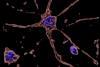
NewsHepatitis E virus attacks nerve cells
A research study using a cell model has enabled research into how hepatitis E virus affects nerve cells for the first time.
-
 News
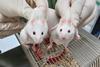
NewsScientists recreate mouse from gene older than animal life
New research sheds light on evolutionary origins of stem cells with groundbreaking experiment to create mouse using ancient genetic tools.
-
 News
NewsMicrobiome changes in chronic liver disease highlight the need for personalized treatment
People with chronic liver disease have dramatic changes to the types and functions of bacteria in the gut and mouth, a new study has revealed.
-
 News
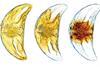
NewsA single cell’s siesta
Researchers show how non-moving single-celled organisms manage to avoid bright light.
-
 News
NewsGlobal antibiotic consumption has increased by more than 21 percent since 2016
An analysis of antibiotic sales data from 67 countries from 2016-2023 shows a decrease in consumption in high-income countries countered by an increase in middle-income countries.
-
 News
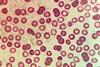
NewsScientists uncover structure of hemezoin crystals crafted by malaria parasite
A new study reveals in unprecedented detail the structure of crystals that the malaria parasite builds in order to survive. The new findings could lead to improved antimalarial medications.
-
 News
NewsReducing antimicrobial resistance: accelerated efforts are needed to meet the EU targets
Marking European Antibiotic Awareness Day on 18 November and the start of World Antimicrobial Resistance Awareness Week, ECDC presents new data on antimicrobial consumption and resistance.
-
 News
NewsAntibacterial material restores the efficacy of antibiotics against resistant bacteria
Research shows that resistant bacteria can regain susceptibility to antibiotics when the treatment is combined with a material equipped with antibacterial peptides.
-
 News
NewsFunding boost to bring engineering biology technologies to market
Part of a £2.8 million UKRI seed corn fund has been awarded to the Environmental Biotechnology Innovation Centre (EBIC) to bridge the gap between research and market-ready products and technologies, with comprehensive support and resources for researchers.
-
 News
NewsStudy uncovers first evidence of resistance to standard malaria treatment in African children with severe malaria
Researchers have uncovered evidence of partial resistance to artemisinin derivatives — the primary treatment for malaria — in young children with severe, or ’complicated’ malaria.