
All University of the West of England articles
-
 News
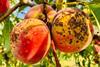
NewsThe family tree of viruses just grew – and it paves the way for a new approach to agricultural research
Researchers have discovered that a group of viruses known to infect an agriculturally important plant pathogen has remained genetically stable for an astonishing four decades. The work also led to the classification and naming of the group of phages.
-
 News
NewsWhole-genome sequencing is a powerful tool that can pick up on genetic signatures for antimicrobial resistance in UTIs: research
New research to be presented at MLSFF26 reveals whole-genome sequencing as a powerful tool that can distinguish between antibiotic-resistant and susceptible strains of urinary tract pathogens by identifying the specific genetic signatures that confer resistance.
-
 News
NewsLemongrass essential oil may target bacteria even more effectively than conventional antibiotics, research suggests
Lemongrass essential oil can be even more effective than traditional antibiotics against some Streptococcus bacteria under certain conditions, new research to be presented at MLSFF26 has found.
-
 News
NewsRoot microbes could help oak trees adapt to drought
Microbes could help oak trees cope with environmental change. A study observing oaks growing in a natural woodland found that the trees’ above- and below-ground microbiomes were resilient to drought, nutrient scarcity, and exposure to pathogenic beetles and bacteria.
-
 News
NewsLiposomes can target antibiotics right to where they’re needed in wounds
The antibiotic gentamicin can be encapsulated into liposomes, allowing for more accurate use in situations such as wound treatment, according to new research presented at the recent Letters in Applied Microbiology ECS Research Symposium.
-
 News
NewsLate nights and long days in the lab - but today was a chance to shine
Biomedical MRes Vikas Nariapara reports back on the fascinating insights and intriguing research showcased at the Applied Microbiology International ECS Research symposium at the University of the West of England in Bristol.
-
 News
NewsThyme essential oil inhibits staph biofilm formation
Thyme essential oil shows efficacy in inhibiting the biofilm formation of Staphylococcus aureus at a concentration of 0.03% (v/v), a new study being presented at Letters in Applied Microbiology ECS Research Symposium has revealed.
-
 News
NewsScientists deploy synthetic amyloids to figure out ways of targeting biofilms
New research being presented at the Letters in Applied Microbiology ECS Research Symposium this May will reveal how scientists are investigating how macrophages can be used to break down amyloid plaques in biofilms.
-
 News
NewsKeynote speakers at Letters in Applied Microbiology ECS Research Symposium announced
Applied Microbiology International has announced the keynote speakers at the Letters in Applied Microbiology Early Career Scientist Research Symposium