
All University of Western Australia articles
-
 News
NewsFrom Helicobacter pylori to the AMR crisis: our interview with JAM Microbiology in Health and Disease Lead Editor Liang Wang
We get to know Professor Liang Wang, who has just been appointed as new Lead Editor in Microbiology in Health and Disease at the Journal of Applied Microbiology.
-
 News
NewsPregnant women’s mental images are directly linked to vaccine hesitancy and uptake
When pregnant women think about vaccinations, many experience vivid mental images – such as a sick baby in hospital – that have a direct link to their opinion of the vaccine and whether they ultimately have it, new research has shown.
-
 News
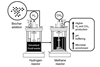
NewsBiochar boosts clean energy output from food waste in novel two-stage digestion system
A new study from researchers at the University of Western Australia and Universitas Brawijaya has found that adding biochar to advanced food waste recycling systems can significantly increase the clean energy yields of hydrogen and methane. This breakthrough offers promising strategies for municipalities and industries aiming to turn food scraps ...
-
 News
NewsType 2 diabetes may double risk of sepsis, large community-based study suggests
Living with type 2 diabetes (T2D) may double the risk of developing sepsis—with those aged younger than 60 years and men particularly susceptible, according to a long-term community-based study in Australia.
-
 News
NewsRisk of deadly diarrheal diseases in children set to worsen as climate changes
Diarrhoea remains one of the most serious health threats to young children in the Global South, and new research shows that climate change is set to worsen the risk substantially.
-
 News
News10% of children in high-burden tuberculosis settings may develop the disease by age 10
A new study finds a high risk of tuberculosis infection and disease in children up to 10 years old who live in areas where TB spread is common.
-
 News
News‘Hospital pathogen’ widespread in Vietnam’s environment
A pathogen considered to be a cause of hospital infection is widespread in Vietnam, turning up in farm soil and pig faeces as well as hospital beds and toilet floor surfaces, with 70% of isolates found to be resistant to at least one class of antimicrobials.