
All Veterinary Medicine & Zoonoses articles – Page 14
-
 News
NewsCHIKVdb: A comprehensive genomic resource for chikungunya virus surveillance and outbreak response
Scientists have developed the Chikungunya Virus Database (CHIKVdb), a comprehensive genomic resource. CHIKVdb integrates 8,193 nucleotide sequences and 10,637 protein sequences from five major host categories across 99 countries, spanning 40 years.
-
 News
NewsScientists develop safer and more sustainable antimicrobials to prevent infection of cow udders
A new study has unveiled an alternative class of potent antimicrobial compounds that could be used in the agriculture industry to combat multi-drug-resistant bacteria that cause bovine mastitis.
-
 News
NewsPoultry growers: Have you checked your water lines lately?
Water quality could impact the kind of microbial populations in poultry drinking water lines and lead to the buildup of a biofilm that can harbor pathogenic bacteria like Salmonella, according to a new study.
-
 News
NewsResearchers’ call: Consider the risk of wildlife-spread diseases during ecosystem restoration
Researchers are urging adaptive ecosystem restoration, which implements key considerations for minimizing the zoonotic disease risk otherwise associated with restorations. A new study is providing practical guidance for restoration project stakeholders.
-
 News
NewsDo imported cut flowers spread livestock viruses?
A study investigated whether Culicoides biting midges are being accidentally exported from Africa to Europe in shipments of cut flowers. Although researchers did detect small numbers of these insects near and inside greenhouses on a Kenyan flower farm, they found none in packaging or transport areas.
-
 News
NewsResearchers deconstruct chikungunya outbreaks to improve prediction and vaccine development
Researchers analyzed more than 80 outbreaks of chikungunya virus to improve prediction of future outbreaks and inform vaccine trial development.
-
 News
NewsAI can be valuable tool to strengthen pandemic preparedness
Artificial intelligence could be a valuable tool for detecting emerging diseases earlier, researchers from five European universities and research institutes argue.
-
 News
NewsQdenga vaccine shows effectiveness against dengue under real-world conditions during Brazil’s 2024 outbreak
An international team of researchers has demonstrated that the tetravalent dengue vaccine Qdenga provides significant protection against the disease under real-world conditions, during the large 2024 epidemic in São Paulo, Brazil.
-
 News
NewsIndia could bear biggest impact from chikungunya, new maps suggest
Based on existing evidence of chikungunya transmission, an infectious disease model predicts 14.4 million people could be at risk of infections globally each year, with 5.1 million people at risk in India.
-
 News
NewsInvasive mosquito vector species detected in surveillance traps in UK
A study describes the detection of invasive mosquito eggs in the United Kingdom in 2023 and 2024, suggesting an increasing incidence of importation of these species, potentially putting new populations at risk of disease transmission.
-
 News
NewsDespite increase in U.S. cases, worry about West Nile virus remains low
Despite this season’s growing number of cases, relatively few Americans worry about becoming infected by West Nile or by dengue fever, another mosquito-borne illness, according to a survey of nearly 1,700 U.S. adults.
-
 News
NewsReview shows around one in three hospital infections involve antimicrobial resistance
With an estimated 1.14 million deaths worldwide annually caused by bacteria becoming resistant to antibiotics, a study shows that in hospital settings antimicrobial resistance is common and independently associated with a higher risk of death.
-
 News
NewsStudy reveals how tick-borne encephalitis virus enters cells
The protein on human cells that tick-borne encephalitis virus (TBEV) uses for infection has now been identified—a major step toward understanding how TBEV causes neurological disease and for developing antiviral drugs.
-
 News
NewsNew single-dose, temperature-stable rabies vaccines could expand global access
Researchers have discovered a new way to make human rabies vaccines that could greatly expand access to immunization across the globe. The new method creates shots that are temperature-stable—meaning they don’t need to be stored at cold temperatures.
-
 News
NewsStudy identifies hotspots of disease-carrying ticks in Illinois
Scientists analyzed the distribution of three potentially harmful tick species in Illinois, identifying regions of the state with higher numbers of these ticks and, therefore, at greater risk of infection with multiple tick-borne diseases.
-
 News
News‘We need to prepare for a growing number of West Nile virus infections,’ experts warn
Growing numbers of West Nile virus infection cases, fueled by climate change, are sparking fears among healthcare providers in Europe. A clinical insight aims to equip medical professionals with the knowledge needed to recognize and manage this emerging disease.
-
 News
NewsBird flu outbreak in house cats: high-risk but survival possible
Cats can survive bird flu if they receive early care and antiviral treatment with oseltamivir and need not be euthanized in every case, a new study shows.
-
 News
NewsCattle vaccine immunity ‘boost’ tested by new research
Scientists at Aberystwyth University are leading research into how a widely used vaccine can boost overall immunity in livestock. The four-year study will investigate the concept of ‘trained immunity’ – a form of immune memory triggered by a vaccine.
-
 News
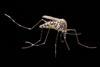
NewsGuangdong faces largest chikungunya outbreak on record
Guangdong Province is experiencing the largest outbreak of chikungunya fever ever recorded in China, with more than 4,000 confirmed cases since late July. Shunde District of Foshan alone has reported over 3,600 infections, a new paper reports.
-
 News
NewsHotspots of mosquito-borne disease risk predicted in Brazil in coming decades
A new study suggests that the risk of mosquito-borne illness in Brazil will rise significantly by the year 2080, but that climate action could help. In the highest emissions scenario, density is predicted to increase 30 percent nationwide by 2080, but with hotspots in the South and Southeast where density will nearly double.