
All Veterinary Medicine & Zoonoses articles – Page 11
-
 News
NewsNovel kirkovirus may be associated with colitis in horses
In a pilot study, researchers have found a novel kirkovirus that may be associated with colitis – and potentially small colon impactions – in horses. The study could offer a route to new therapies for horses with colitis symptoms from unknown causes.
-
 News
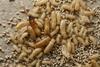
NewsFecal tests reveal active termite attacks
Termite pellets can linger long after the insects that dropped them have disappeared. By testing for microbes in the excrement, researchers can distinguish old droppings from fresh, and whether a colony is actively chewing its way through a home.
-
 News
NewsOlder age, chronic kidney disease and cerebrovascular disease linked with increased risk for paralysis and death after West Nile virus infection
Older people with a history of chronic kidney disease or conditions affecting blood flow to the brain such as stroke face about double the risk for developing neuroinvasive disease that can lead to paralysis and death following infection with West Nile virus, new research finds.
-
 News
NewsReceptors in mammary glands make livestock and humans inviting hosts for avian flu
A new study shows that the mammary glands of several other production animals besides cows – including pigs, sheep, goats, beef cattle and alpacas – are biologically suitable to harbor avian influenza, due to high levels of sialic acids.
-
 News
NewsInstitutions team up to advance first AI-designed mRNA vaccine against deadly tick-borne disease
Scientists are developing what could become the world’s first mRNA vaccine against severe fever with thrombocytopenia syndrome (SFTS)—a tick-borne viral disease associated with this condition.
-
 News
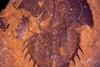
NewsHorseshoe crab fossil reveals early mass-burial event and ancient microbial attack
A remarkably preserved horseshoe crab fossil from North America offers rare insight into some of the earliest known cases of animal disease in a Late Carboniferous swamp – more than 300 million years before the age of dinosaurs.
-
 Careers
Summer studentship: Lucy creates a synthetic microbiome to study mosquito-borne diseases at different life stages
Lucy Ella Malvern reports back on her AMI-sponsored summer studentship which investigated microbiome assembly in mosquitoes across developmental stages.
-
 News
NewsParasitic fungus may have emerged 18 million years before the ants with which it lives today
An analysis of 309 strains indicates that the genus Escovopsis emerged 56.9 million years ago, but only began interacting with today’s mutualistic ants 38 million years ago, challenging the theory that they all emerged at the same time.
-
 News
NewsHow did Bronze Age plague spread? Ancient sheep might solve the mystery
Researchers have found the first evidence of a Bronze Age plague infection in a non-human host. The scientists discovered Y. pestis DNA in a 4,000-year-old domesticated sheep from Arkaim, a fortified settlement located in the Southern Ural Mountains of present-day Russia.
-
 News
NewsStudy unlocks the key microbes contributing to postnatal growth retardation
Postnatal growth retardation (PGR) has a high incidence during early postnatal development of piglets and humans. Researchers have found that hindgut-enriched Methanobrevibacter smithii compromises the weight gain in the pig PGR model.
-
 News
NewsNew study reveals that parasite-produced dopamine can alter host behaviour
A new study has shed light on how Toxoplasma gondii, the causative agent of toxoplasmosis, can alter host behaviour. The research findings show that such behavioural changes are achieved, at least in part, through dopamine manipulation caused by dopamine produced by the parasite itself.
-
 News
NewsStudy shows robust immune responses to H5N8 avian influenza vaccine
A new study shows that the MF59-adjuvanted A(H5N8) vaccine induced strong immune responses, including both functional antibodies and memory T-cell responses, against the vaccine virus, as well as against H5 viruses that have caused recent outbreaks in Europe and the United States.
-
 News
NewsNew tools saved a million lives from malaria last year but progress under threat as drug resistance rises
Wider use of new tools against malaria, including dual-ingredient nets and WHO-recommended vaccines helped to prevent an estimated 170 million cases and 1 million deaths in 2024, according to WHO’s annual World Malaria Report.
-
 News
NewsThe ship-timber beetle’s fungal partner: more than just a food source
Researchers studying the ambrosia fungus of the ship-timber beetle discovered that this fungus stores significantly more nutrients than other types of fungi. The beetle’s symbiotic fungus accumulates various phenolic substances from the wood in its mycelium.
-
 News
NewsFamily dogs boost adolescent mental health through the microbiome
It’s no surprise that dogs benefit people’s mental health. Researchers point to a reason as to why: dogs prompt changes in the collection of microbes that live in and on our bodies, resulting in an increase in mental health.
-
 News
NewsResearchers confirm new rickettsia species found in dogs
Researchers have confirmed that a species of Rickettsia first seen in dogs in 2018 is a new species of bacteria. The new species is associated with symptoms similar to those of Rocky Mountain spotted fever (RMSF) in dogs, but has not yet been found in humans.
-
 News
NewsProbiotics and prebiotics offer safer alternatives to antibiotics in animal agriculture
A new study shows how probiotics, prebiotics, and synbiotics can safely enhance growth and immunity in livestock, and balance the growth of intestinal microbes, offering practical alternatives to antibiotics.
-
 News
NewsAnts signal deadly infection in altruistic self-sacrifice
Researchers have discovered that terminally ill ant brood, like infected cells, release an odor signaling their impending death and the risk they pose. This sophisticated early warning system facilitates rapid detection and removal of pathogenic infections.
-
 News
NewsMicroplastics disrupt gut microbiome and fermentation in farm animals
Microplastics, tiny plastic particles pervasive in agricultural environments, interact with and disrupt the microbial ecosystem in the rumen – the first stomach chamber of cattle, reveals an international study.
-
 News
NewsGlobal Virus Network issues warning on the Marburg virus outbreak in Ethiopia
The Global Virus Network (GVN) has issued a statement on the newly confirmed outbreak of Marburg virus disease (MVD) in southern Ethiopia. This represents the country’s first documented outbreak of Marburg virus and raises urgent public health, research, and surveillance imperatives.