
All Veterinary Medicine & Zoonoses articles – Page 6
-
 News
NewsDairy farms in California may transmit H5N1 virus through multiple sources
A new study suggests that avian influenza (H5N1) is transmitted through multiple, previously unknown sources on dairy farms and that some H5N1 positive cows do not show clinical signs of infection.
-
 News
NewsClimate change increases spillover risk of rodent-borne arenaviruses
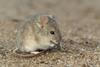
Climate change is likely to drive rodent-borne arenaviruses into parts of South America that have never faced these diseases, according to an early risk projection model that incorporated climate projections, shifting rodent populations and the risks of human infection.
-
 News
NewsHantavirus cluster linked to cruise ship highlights ongoing zoonotic risk and the need for vigilance
Experts emphasized caution while underscoring the importance of environmental controls, early detection, and clear communication in travel settings.
-
 News
NewsPet cats that roam outdoors carry similar disease risk as feral cats, global study finds
A new study has found that pet cats allowed to roam outside unsupervised carry infectious diseases at rates comparable to feral cats, even when they receive veterinary care, regular meals and shelter.
-
 News
NewsSouth American camelids: Potential carriers of the zoonotic pathogen Campylobacter
A comprehensive investigation has identified a previously underappreciated source of thermotolerant Campylobacter spp. in South American camelids (SACs)—alpacas and llamas kept in Germany. The findings underscore the importance of expanding epidemiological surveillance beyond traditional livestock.
-
 News
NewsComparing veterinary antimicrobial stewardship: Why Brazil needs stronger monitoring systems
A new comparative analysis reveals critical gaps in antimicrobial monitoring frameworks across three major economies, with significant implications for global public health and food security.
-
 News
NewsResearch gaps and regional disparities revealed in global Lassa virus research landscape
A comprehensive bibliometric analysis spanning 55 years of Lassa virus (LASV) research has uncovered significant disparities in scientific output between high-income and endemic countries, while revealing a persistent shortage of studies addressing environmental factors influencing viral spread.
-
 News
NewsPlasmodium uses its own PI3K to suppress eat-me signal and evade host immune clearance
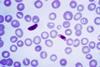
A study finds that Plasmodium PI3K actively suppresses the externalization of phosphatidylserine on the surface of infected erythrocytes. When the activity of parasite PI3K was chemically inhibited or genetically disrupted, phosphatidylserine exposure on infected red blood cells increased markedly.
-
 News
NewsTick threats in the context of climate change: One Health response strategies in the Middle East and North Africa region
A new study examines the multifaceted dimensions of tick-borne disease management in the MENA region through the lens of the One Health approach. The research synthesizes insights from a symposium that brought together experts to assess current threats and identify pathways forward.
-
 News
NewsBeyond outbreaks: zoonotic disease prevention at the human–animal interface in China
A study synthesizes evidence on 93 zoonotic diseases currently monitored by China’s public health, agricultural, and forestry sectors, and argues that meaningful risk reduction will require shifting from reactive outbreak response toward earlier prevention at the human–animal–environment interface.
-
 News
NewsKnowledge gaps expose vulnerable populations to tick-borne disease risks in northern China
While awareness of tick biology is relatively high in Northeast China and Inner Mongolia, a new study reveals alarming gaps in public knowledge about preventing tick-borne diseases—with rural residents and high-risk groups paradoxically showing the lowest protective awareness.
-
 News
NewsGlobal Virus Network statement on H5N1 vaccine developments
The new vaccine momentum reflects the growing urgency of avian influenza (H5N1) threat and reinforces the need for coordinated global preparedness.
-
 News
NewsResearchers discover new mosquito-specific viruses
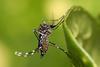
A new study looked at mosquitoes’ immune response to discover many more insect viruses. Researchers hope to someday use the mosquitoes’ own immune system to battle some of the most pervasive and antagonistic human viruses.
-
 News
NewsStudy of influenza D in human cells and tissue hints at spillover potential
The influenza D virus that researchers say has been flying under the radar since its detection in animals in 2011 can vigorously make copies of itself in human cells and lung tissue samples, a new study shows.
-
 News
NewsCinnamic acid blocks plasmid conjugation to slow antibiotic resistance spread
A new study reveals that cinnamic acid, a widely used food additive found in cinnamon, can effectively inhibit plasmid‑mediated conjugation, a major route for the global spread of antibiotic resistance genes (ARGs).
-
 News
NewsMalaria shaped distribution of early human populations
Scientists investigated whether Plasmodium falciparum induced malaria shaped human habitat choice between 74,000 and 5,000 years ago, finding that malaria influenced habitat choice by pushing human groups away from high-risk environments and separating populations across the landscape.
-
 News
NewsScientists find a new way coronaviruses can get into human cells
An international team of researchers has identified an East African bat coronavirus capable of entering human cells. Whilst the virus can bind to a cell receptor found in the human lung, preliminary testing in Kenya suggests it has not spilled over into the local human population.
-
 News
NewsResearch on tick-transmitted disease reveals potential weakness, opening paths to new treatments
Tularemia is a rare but highly infectious disease caused by Francisella tularensis, a bacterium that can evade immune defenses. Scientists have isolated and studied a set of proteins that play a central role in infection, revealing a potential weakness.
-
 News
NewsNew clues to hepatitis B species restriction could help build a novel model for studying infection and testing therapies
For decades, it was thought that the barrier to creating a workable mouse model for hepatitis B is an inability for the virus to gain a genetic foothold in the mouse due to its unique type of DNA. Now researchers have discovered that the problem is something different altogether—likely a misstep in the entry process.
-
 News
NewsNew research reveals cell proteins that drive severe viral infections
Researchers have identified two human cell proteins, NUP98 and NUP153, that play a crucial role in how viruses such as tick-borne encephalitis virus (TBEV), West Nile virus, and dengue virus replicate in the body.