
Asia & Oceania News – Page 57
-
 News
NewsFibrinolytic biomarkers for identifying patients at risk of severe COVID-19
Researchers identify associations between proteins involved in fibrinolysis and the development of acute respiratory distress syndrome.
-
 News
NewsZika virus vaccine emerges as an unlikely hero in battling brain cancer
Scientists have developed a new approach using the Zika virus to destroy brain cancer cells and inhibit tumour growth, while sparing healthy cells.
-
 News
NewsScientists show how COVID mRNA vaccines reshape immune memory after each dose
Researchers show that T cells can reshape their memory and maintain diversity against different COVID variants in response to successive mRNA vaccinations.
-
 News
News£1.5m donation drives UK-Japan collaboration in antimicrobial research
A £1.5 million donation will drive joint research into antimicrobial resistance (AMR) by scientists in the UK and Japan.
-
 News
NewsMicrobes impact coral bleaching susceptibility, new study shows
A new study provides insights into the role of microbes and their interaction as drivers of interspecific differences in coral thermal bleaching.
-
 News
NewsMussel-based coating protects joints from bacteria
Scientists have successfully developed a coating material for implants. Based on mussel adhesion proteins, this material is designed to release antibiotics in response to bacterial invasion.
-
 News
NewsResearchers unveil new method for measuring electrical conductivity in microorganisms
Researchers investigating electro-activity in biofilms have developed a straightforward experimental setup in which a microbial colony, a form of biofilm, was grown on agar and directly pressed onto an electrode to assess its electrical conductivity.
-
 News
NewsStudy reveals convergent evolution of algal CO2-fixing organelles
Various pyrenoid-associated proteins have been reported among the algae studied, suggesting that CO2-fixing organelles evolved independently in each algal group.
-
 News
NewsResearchers propose ultrasonic power therapy for helicobacter pylori infection
Scientists have developed a nanoparticle-based sonodynamic therapy to reduce H. pylori infection in mice without disrupting gut microbiota.
-
 News
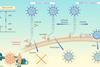
NewsProtective human monoclonal antibody targets a conserved site of spike glycoprotein of SARS-CoV-2 Omicron variants
Scientists report that mAb-39 greatly improved the neutralizing activity of anti-RBD antibody, the same type of EUA therapeutic monoclonal antibodies, against the highly neutralization-resistant Omicron variants.
-
 News
NewsResearchers reveal molecular mechanism of CsMLO8/11 in regulating cucumber powdery mildew resistance
Scientists have made important progress in uncovering the molecular mechanism of powdery mildew (PM) resistance in cucumber.
-
 News
NewsIVI to open Africa Regional Office in Rwanda
The International Vaccine Institute (IVI), an international organization with a mission to discover, develop, and deliver safe, effective, and affordable vaccines for global health, and the Ministry of Health of Rwanda have announced that IVI will open its Africa Regional Office in Kigali this year. The IVI ...
-
 News
News‘Artificial tongue’ detects and inactivates common mouth bacteria
Researchers have designed a chemical sensor array, or an artificial tongue, that distinguishes dental bacteria and can inactivate them.
-
 News
NewsLow-temperature plasma used to remove E. coli from hydroponically grown crops
A group led by researchers at Nagoya University and Meijo University in Japan has developed a disinfection technology that uses low-temperature plasma generated by electricity to cultivate environmentally friendly hydroponically grown crops. This innovative technology sterilizes the crops, promoting plant growth without the use of chemical fertilizers. Their findings appear ...
-
 News
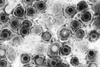
NewsFusion protein reveals a conservative antigenic domain across herpesviruses
A new study proposes that the gB DII domain within the herpesvirus family constitutes a broadly conserved neutralizing epitope structural domain.
-
 News
NewsBlindness from some inherited eye diseases may be caused by gut bacteria
Sight loss in certain inherited eye diseases may be caused by gut bacteria, and is potentially treatable by antimicrobials, finds a new study in mice co-led by a UCL and Moorfields researcher. The international study observed that in eyes with sight loss caused by a particular genetic ...
-
 News
NewsBiomineralization offers sustainable strategy against microbial corrosion in marine concrete
Researchers have introduced a novel biomineralization strategy, which effectively isolates marine concrete from microbially induced corrosion, contributing to the achievement of sustainable coastal structures.
-
 News
NewsSK bioscience’s typhoid conjugate vaccine achieves WHO prequalification
SK bioscience and the International Vaccine Institute (IVI) announced that the typhoid conjugate vaccine developed by SK bioscience with technology transfer from IVI has achieved the World Health Organization prequalification (PQ).
-
 News
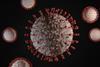
NewsGut microbes may cause some COVID-19 patients to have higher blood clot risk
A gut microbial metabolite called 2-methylbutyrylcarnitine (2MBC) plays a role in exacerbating thrombosis – the formation of blood clots – and is accumulated in individuals with COVID-19.
-
 News
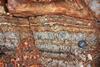
NewsHigh resolution techniques reveal clues to early microbes in 3.5 billion-year-old biomass
A research team has found new clues about the formation and composition of the 3.5bn year old rocks of Pilbara Craton, which contain traces of the microorganisms that lived at that time.