
All asthma articles
-
 News
NewsHow microbes protect the lungs against allergies
A study has revealed that microbes protect the lungs from subsequently developing allergies and asthma. This long-term protection is “memorized” not by immune system cells but by fibroblasts, structural cells in the lungs.
-
 News
NewsUnder the Lens: Nicola Holden and Gil Domingue weigh in on the raw milk debate
The latest episode of Applied Microbiology International’s ‘Under The Lens’ video series turns the spotlight on the contentious issue of raw milk, with AMI Trustee Professor Emmanuel Adukwu interviewing Professor Nicola Holden and Dr Gil Domingue.
-
 News
NewsInfant gut bacteria may be the key to preventing asthma and allergies
A study shows that children are less likely to develop allergies and asthma if, as infants, they are colonized with certain bifidobacteria that produce a substance in the gut - a so-called metabolite - that dampens immune responses to allergens.
-
 News
NewsSoil bacteria and fungi emerge as a top predictor of childhood allergic disease
The unique blend of fungi and bacteria in a region’s soil may be the strongest factor explaining its rates of childhood allergic disease, with certain assemblages of soil critters appearing linked with better health outcomes, according to new research.
-
 News
NewsStudy identifies viral combinations that heighten risk of severe respiratory illnesses in infants
A new study has revealed that, while a wide range of viruses can cause lower respiratory tract illnesses (LRIs) in infants, certain viruses and viral combinations dramatically increase the risk of severe disease.
-
 News
NewsInspection confirmed mould damage in schools does not increase students’ risk of developing asthma
A recent study found that mould damage in school buildings does not increase the risk of asthma among students. The study included 110 Finnish primary and secondary schools, and the health of 30,000 students was tracked using national health registers over a 16-year period.
-
 Opinion
Safety and nutritional claims for raw milk
Robert F Kennedy Jr. famously advocates drinking raw milk and promotes its benefits. But how safe is unpasteurised milk? Nicola Holden and Gil Domingue, who sit on Applied Microbiology International’s Food Security Scientific Advisory Group, take a deep dive into the science.
-
 News
NewsAs school returns, so do infections & asthma emergencies. Where kids live can make it worse
A new study highlights how neighborhood conditions shape the seasonal surge of virus-triggered asthma emergencies. It found that children in under-resourced communities face sharply higher rates of asthma flare-ups tied to viral infections during the first weeks of school.
-
 News
NewsFrequent use of antibiotics in infants and young children may increase risk for asthma, allergies and other conditions
Researchers have found that repeated antibiotic use before age 2 is associated with a higher risk for asthma, food allergies and hay fever later in life. These findings also applied to siblings who had different experiences with antibiotics.
-
 News
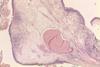
NewsAsthma and antibiotic use may predict nasal polyp recurrence after endoscopic sinus surgery
A recent study suggests that patients with chronic rhinosinusitis, who had undergone endoscopic sinus surgery, have a higher chance of undergoing revision sinus surgery that removes nasal polyps if they have asthma and are using antibiotics.
-
 News
NewsStudy uncovers how a new gut microbe drives the gut-lung axis
New findings highlight how a little-known member of the gut microbiome reshapes the lung immune environment to have both beneficial and detrimental effects on respiratory health.
-
 News
NewsPatients whose allergies cause the sniffles have different fungi living in their noses, compared to healthy people
Scientists investigated the noses of people with asthma and allergic rhinitis and found that the fungi in their noses are different to healthy people, suggesting future targets for treatments.
-
 News
NewsBreastfeeding is crucial to shaping infant’s microbes, lowering risk of asthma
A study shows that breastfeeding beyond three months supports the gradual maturation of the microbiome in the infant’s digestive system and nasal cavity, the upper part of the respiratory tract.
-
 News
NewsEarly life antibiotic increases risk of asthma: providing clues to a potential prevention adult asthma
Early exposure to antibiotics can trigger long term susceptibility to asthma, according to researchers who isolated a molecule produced by gut bacteria that in the future could potentially be trialed as a dietary supplement for children at risk of asthma.
-
 News
NewsScientists develop functional bread using probiotic yeast to help prevent asthma
Bread produced with probiotic yeast performed well in experiments with mice, showing potential to combat asthma, which affects 20 million Brazilians.
-
 News
NewsResearchers find no link between COVID-19 virus and development of asthma in children
Researchers have found that a SARS-COV-2 infection likely does not increase the risk of asthma development in pediatric patients.
-
 News
NewsArchitect asks if a probiotic for your house could prevent asthma and keep illness at bay
Homes have become ‘too clean’ and could benefit from the introduction of ‘healthy germs’ which introduce friendly bacteria to potentially stave off a host of childhood illnesses, including asthma, experts suggest.
-
 News
NewsStudy reveals indoor metabolites as key indicators in asthma and allergic rhinitis
Analyzing dust for its chemical fingerprint may be a more reliable and consistent way to assess environmental risk for childhood asthma and allergic rhinitis than studying the complex and variable microbiome, a new study suggests.
-
 News
NewsNew NTU Singapore research centre on lung health
To better tackle respiratory diseases in Singapore, Nanyang Technological University, Singapore (NTU Singapore) has set up a new research centre designed to address lung diseases in an Asian context.
-
 News
NewsStudy of bacteria in day care settings reveals links with children’s lung health
Particular combinations of bacteria found in dust at day care facilities have been linked to wheezing in young children in a study presented at the European Respiratory Society International Congress in Milan, Italy.