
The New York City Housing Authority developed Mold Busters, a mold-removal program, in response to a 2013 class-action lawsuit filed by residents suffering from asthma due to mold in their apartments. New research presented at the ATS 2026 International Conference shows that the program results in nearly 2,800 fewer asthma-related emergency department visits annually.
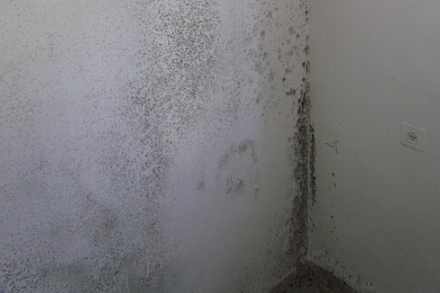
Researchers estimated that without the program New York City public housing residents would have experienced 25 per cent more asthma-related emergency department (ED) visits. This is the first large-scale observational study to show that citywide mold intervention projects can significantly reduce the burden of asthma exacerbations.
“These results suggest that housing interventions on asthma triggers could play a critical role in reducing long-standing asthma disparities,” said first author Nina Flores, PhD, who conducted this work while a doctoral student at Columbia University and is now a postdoctoral fellow at The University of Texas at Austin School of Social Work and Dell Medical School.
Large-scale improvements
Mold Busters is a mold removal and remediation program that improved mold-related response timelines, trained staff in evidence-based mold removal and led to large-scale improvements in ventilation in New York City public housing. While smaller studies have suggested that these improvements can reduce asthma-related illnesses, researchers wanted to know whether these effects would be observed on a larger scale.
For the new study, the researchers compared ED visits for people living in New York City public housing with a control group of people living in nearby areas that had similar income levels.
The study found that public housing residents served by Mold Busters averaged nine fewer asthma-related ED visits per thousand people compared to residents in similar non-public housing areas, providing concrete evidence of the program’s effectiveness.
Asthma visit declines
Flores noted that buildings with the largest drops in mold complaints after having mold removal also saw the steepest declines in asthma-related emergency department visits. This further supports the connection between Mold Busters’ intervention and observed health improvements.
While the research team measured ED visits, Flores said that the study did not capture the impacts of less-severe asthma exacerbations that might cause someone to miss work or school, as well as other allergic and respiratory problems that are associated with mold exposure.
“The health benefits reported here likely underestimate the full scope of health-related benefits from the intervention,” she explained.
Next steps
Researchers plan to repeat their analysis as other data becomes available, hoping to understand if benefits are sustained or even increase over time. Mold removal and remediation may not just reduce exacerbations – it could prevent new asthma cases from developing, they said.
The team is also conducting home visits to collect data on fungal exposure, allergic sensitization, and asthma-related illnesses among children in New York City public housing, both after a mold complaint and in the 12 months after mold removal.






No comments yet