
All Bacteria articles – Page 74
-
 News
NewsNatural algal communities can inhibit aquaculture pathogens
A new study has demonstrated that it is possible to develop a consortium of bacteria that can inhibit bacterial pathogens in aquaculture. This could potentially reduce the use of antibiotics in aquaculture and possibly other applications.
-
 News
NewsMicrobial pioneers: how bacteria shape dental implant health from day one
A new study suggests that the earliest microbes to colonize a dental implant may determine its long-term fate. Using high-resolution genomic sequencing and a 12-week clinical timeline, scientists tracked how microbial ecosystems form around new dental implants.
-
 News
NewsCool science: Researchers craft tiny biological tools using frozen ethanol
Imagine drawing on something as delicate as a living cell — without damaging it. Researchers have made this groundbreaking discovery using an unexpected combination of tools: frozen ethanol, electron beams and purple-tinted microbes.
-
 News
NewsThe hidden drivers of aging: microbial influence on genomic stability and telomere dynamics
A new review synthesizes current evidence on how microbial dysbiosis accelerates aging by disrupting genomic integrity and telomere dynamics, while also exploring therapeutic strategies to promote healthy longevity.
-
 News
NewsBlood eosinophil count is associated with Pseudomonas aeruginosa infection but not the efficacy of inhaled tobramycin
A study has demonstrated that blood eosinophil counts (BECs) correlate with the disease severity, lung function, exacerbations in bronchiectasis, a chronic airway suppurative disease.
-
 News
NewsBiodiversity in Antarctic soils may be greatly underestimated after surprising discovery
Researchers have shown that previously unknown apparent mutualisms allow biodiversity to flourish to an unexpected degree in an extreme habitat: weathered debris in front of a glacier in Antarctica.
-
 News
NewsSurvival trick: Pathogen taps iron source in immune cells
The body defends itself against pathogens by depriving them of vital iron. However, researchers have discovered that Salmonella bacteria specifically target iron-rich regions within immune cells to replicate, evading the immune defense.
-
 News
NewsGut bacteria and acetate offer a great combination for weight loss
Researchers have discovered a new way to reduce obesity - supplying the gut with extra acetate reduces fat and liver mass in both normal and obese mice, as long as bacteria of the Bacteroides species is also present in the gut.
-
 News
NewsResearch team traces evolutionary history of bacterial circadian clock on ancient Earth
To better understand the circadian clock in modern-day cyanobacteria, researchers studied ancient timekeeping systems. They examined the oscillation of the clock proteins in modern cyanobacteria, comparing it to the function of ancestral Kai proteins.
-
 News
NewsCould nanoplastics in the environment turn E. coli into a bigger villain?
New research suggests certain nanoplastics may make foodborne pathogens more virulent. Nanoplastics with positively charged surfaces were more likely to cause physiological stress in E. coli O157:H7, making them pump out more Shiga-like toxin.
-
 News
NewsWHO validates Mauritania for eliminating trachoma as a public health problem
The World Health Organization (WHO) has validated Mauritania as having eliminated trachoma as a public health problem, making it the seventh country in WHO’s African Region to achieve this significant milestone.
-
 News
NewsPapua New Guinea eliminates trachoma as a public health problem
Papua New Guinea (PNG) has been validated by the World Health Organization (WHO) for eliminating trachoma as a public health problem. Trachoma, the world’s leading infectious cause of blindness, no longer poses a public health threat in the country.
-
 News
NewsSeawater microbes are powerful tool for diagnosing coral reef health and strengthening conservation efforts
Microorganisms in the water surrounding coral reefs provide valuable insights on the health state of reefs and surrounding ocean. Sampling and analyzing reef water microbes can be done in a variety of ways ranging in cost and complexity, adding to their usability.
-
 News
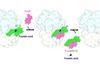
NewsNew molecular movie reveals how antibiotic resistance to fusidic acid works
Researchers revealed how FusB, a resistance protein found in clinically resistant strains of the bacterium Staphylococcus aureus, can rescue ribosomes from the antibiotic fusidic acid. FusB works like a molecular crowbar to free the blocked ribosome.
-
 News
NewsAI predicts bacterial resistance to cleaning agents
With the help of artificial intelligence and DNA decoding, a new method can predict how well disease-causing bacteria such as Listeria tolerate disinfectants. This research may become a valuable weapon in the fight against harmful bacteria.
-
 News
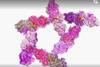
NewsResearchers find CRISPR is capable of even more than we thought
Researchers studying key immune components of some CRISPR systems have announced the newest CARF effector they’ve discovered, which they coined Cat1 - it can deplete a metabolite essential for cellular function.
-
 News
NewsParticles carrying multiple vaccine doses could reduce the need for follow-up shots
Researchers are working to develop microparticles that can release their payload weeks or months after being injected. This could lead to vaccines that can be given just once, with several doses that would be released at different time points.
-
 News
NewsScientist awarded $500,000 Gruber Genetics Prize for pioneering discoveries in bacterial immune systems
The 2025 Gruber Genetics Prize is being awarded to geneticist and molecular biologist Rotem Sorek, Ph.D., of the Weizmann Institute of Science, for his discoveries in the immune system of bacteria.
-
 News
NewsNew hope against superbugs: Promising antibiotic candidate discovered
An international team of researchers has discovered saarvienin A, a new type of glycopeptide antibiotic. Their findings introduce a compound with strong activity against highly resistant bacterial strains.
-
 News
NewsScientists evaluate in-vitro activity of ceftazidime-avibactam against carbapenem-resistant gram-negative bacteria
Scientists explored the in-vitro activity of ceftazidime-avibactam (CAZ-AVI) in clinical isolates of carbapenem-resistant gram-negative bacteria collected at the outpatient, emergency, and inpatient departments of the Indus Hospital, Karachi.