
All Bacteria articles – Page 70
-
 News
NewsStudy reveals engineered bacterial vesicles to combat antimicrobial resistance
Researchers studying extracellular vesicles (EVs)-membrane-bound nanoparticles released by cells that transport biologically active molecules like proteins or nucleic acids have engineered EVs derived from lactic acid bacteria to carry pathogen-specific endolysins on their surface.
-
 News
NewsImmune responses to friendly skin microbiota could pave way for novel vaccination responses
For her research into how the immune system responds to the beneficial skin microbiome, Djenet Bousbaine is the winner of the 2025 NOSTER & Science Microbiome Prize. Her work reveals a surprisingly sophisticated immune response that could be harnessed for the development of innovative, needle-free vaccination strategies.
-
 News
NewsVaccination support program reduces pneumonia-related mortality by 25 per cent among the elderly
Findings based on efforts in Sera Town, Japan showed the pneumococcal vaccination support program reversed the previously increasing trend in pneumonia mortality rate in the community.
-
 News
NewsStudy advances understanding of immune system’s crucial role in phage therapy
Scientists have assessed the effectiveness of phage therapy in treating pneumonia. What they discovered about the mechanisms behind phage therapy could inform treatments in clinical settings to help patients facing similarly stubborn infections.
-
 News
NewsResearch opens up new avenue for tuberculosis drug discovery
Researchers studied an enzyme from the TB bacterium called alpha-methylacyl-CoA racemase (MCR) which helps the bacterium use cholesterol as an energy source. Blocking this enzyme would therefore starve the bacterium of a major food source, helping to treat TB infections.
-
 News
NewsStudy yields new insights into infection strategy of Pseudomonas aeruginosa
Scientists have uncovered a previously unknown trick used by Pseudomonas aeruginosa - the bacterium can functionally organize itself in diverse ways within a population of identical clones, as if it were not just one germ, but many at once. A mechanism of epigenetic memory preserves the activity of certain genes across generations.
-
 News
NewsEngineers develop electrochemical sensors for cheap, disposable diagnostics
Electrodes coated with DNA could enable inexpensive tests with a long shelf-life, which could detect many diseases and be deployed in the doctor’s office or at home.
-
 News
NewsNew immunotherapy strategy targets difficult-to-treat brain tumors with gut microbiota
Researchers have demonstrated a new therapeutic strategy that can enhance the efficacy of immunotherapy for brain tumors by utilizing gut microbes and their metabolites. This also opens up possibilities for developing microbiome-based immunotherapy supplements in the future.
-
 News
NewsPrebiotics might be a factor in preventing or treating issues caused by low brain GABA
Dietary prebiotics may induce an increase in brain GABA levels through the regulation of gut microbiota, which can be a major point for reducing or even treating these occurrences of certain neurological diseases in individuals.
-
 News
NewsScientists target ‘molecular machine’ in the war against antimicrobial resistance
The ‘molecular machine’ flagellum is essential for bacteria to cause infection, allowing bacteria to ‘swim’ around the bloodstream until finding something to infect. But it could also be a target for antibiotics.
-
 News
NewsNew viruses discovered in bat kidneys in Yunnan province
The viruses, as well as new bacterial species and a new parasite, were discovered in bats inhabiting orchards near villages in southwestern China, raising concerns about transmission to livestock or humans.
-
 News
NewsAntibiotics are failing in many countries in Africa, new study reveals
The largest retrospective study on resistance to antibiotics in Africa highlights the need for major investments to enhance laboratory capabilities and healthcare access.
-
 News
NewsPandora’s microbes – The battle for iron in the lungs
Newly discovered natural compounds from the little studied Pandoraea bacterium influence the lung microbiome by competing for iron.
-
 News
NewsTracking microbial rhythms reveals new target for treating metabolic diseases
Researchers harness the benefits of time-restricted feeding on the gut microbiome — with the ultimate goal of developing new therapies for obesity, diabetes and related diseases.
-
 News
NewsUnderstanding inflammatory bowel disease: An integrative framework of microbiome, metabolome, and immunological biomarkers
A new review underscores the interconnected roles of microbial, metabolic, and immune biomarkers in IBD. While current biomarkers lack universal specificity, integrative approaches and AI-driven analyses offer transformative potential for precision medicine in IBD care.
-
 News
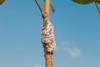
NewsCoveted lac pigment may have a fungal origin
The colourful pigment extracted from the lac insect may actually be produced by a symbiotic yeast-like organism living inside the insect, a new study has found. The yeast-like organism exclusively harbours genes coding for key ingredients in the pigment synthesis pathway.
-
 News
NewsResearchers establish link between form and function of gut bacterium
New insights into the functional differences between the various morphotypes of Bacteroides thetaiotaomicron could open up new possibilities for medicine. A better understanding of their diversity could lay the foundation for novel microbiome-based therapies.
-
 News
NewsScientists discover a materials maze that prevents bacterial infections
Scientists have discovered surface patterns that can drastically reduce bacteria’s ability to multiply on plastics, which means that infections on medical devices, such as catheters, could be prevented.
-
 News
NewsImmune ‘dysregulation’ present prior to infection predicts severe responses
A study shows that a common gene signature of immune health or dysfunction predicts severe outcomes from infection, and is present in people with known risk factors such as being a smoker or having a high body mass index, even before they encounter a pathogen.
-
 News
NewsPFAS-eating bacteria discovered in Veneto soil
Researchers have isolated about 20 species of bacteria from PFAS-contaminated soil in Veneto that are capable of degrading these forever chemicals, i.e. using them as a source of energy.