
All Bacteria articles – Page 99
-
 News
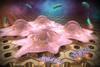
Scientists engineer substrates hostile to bacteria but friendly to cells
Researchers have created nanostructured alumina surfaces which are strongly antibacterial but can be used to culture cells.
-
 News
Pet dogs often overlooked as spreader of antimicrobial-resistant Salmonella
Household dogs are an overlooked transmission point for zoonotic pathogens such as nontyphoidal Salmonella, which can cause diarrhea, fever and abdominal cramps, with some infections potentially having life-threatening complications.
-
 News
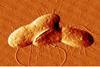
Dangerous bacterial biofilms have a natural enemy - thanks to stressed plants
Scientists have discovered a chemical that plants produce when they’re stressed prevents biofilm from forming. The breakthrough offers potential advances in healthcare as well as preventing equipment corrosion in industrial settings.
-
 News
$1.9M NIH grant will allow researchers to explore how copper kills bacteria
A researcher has received a $1.9 million grant from the National Institutes of Health to continue his research into uncovering how copper can be harnessed to kill harmful bacteria and other microorganisms.
-
 News
Bacterial gene deployed in new trees to combat devastating citrus greening disease
Scientists are testing a new type of citrus tree, deploying a bacterial gene that can fight off the tiny insects responsible for citrus greening.
-
 News
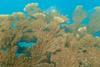
Bacteria linked to successful restoration of elkhorn coral colonies
Coral restoration should prioritize shallower depths with faster currents in low-nutrient environments to promote a healthier microbial community, a new study suggests.
-
 News
Researchers uncover control mechanisms of polysaccharide utilization in gut bacterium
Polysaccharide utilization loci (PULs) complexes enable bacteria to bind, break down, and import specific polysaccharides, contributing to successful gut colonization. A new study explores how PULs are regulated post-transcriptionally to adapt to environmental changes.
-
 News
Feeding your good gut bacteria through fibre in diet may boost body against infections
Researchers who used computational approaches to analyse the gut microbiome composition of over 12,000 peoplefrom their stool samples found that a person’s microbiome ‘signature’ can predict whether their gut is likely to be colonised by Enterobacteriaceae.
-
 News
Self-destructing vaccine offers enhanced protection against tuberculosis in monkeys
A self-destructing vaccine administered intravenously provides additional safety and protection against tuberculosis (TB) in macaque monkeys, suggests new research.
-
 News
CARB-X funds Peptilogics to develop a novel, broad-spectrum therapeutic to treat fracture-related infections
CARB-X will award Peptilogics US$3.3 million to develop and execute a workplan for its slow-release formulation of a novel, broad-spectrum therapeutic, zaloganan-CR, an engineered peptide intended for use in preventing infection after high-energy-traumatic bone injuries.
-
 News
Scientists uncover key step in how diazotrophs ‘fix’ nitrogen
There are only two ways of fixing nitrogen, one industrial and one biological. To better understand a key component of the biological process, researchers took a multi-pronged approach.
-
 News
Study finds diversity of deadly bacteria different in Saudi Arabia compared with rest of world
The largest epidemiology study ever of multidrug resistant Klebsiella pneumoniae in Saudi hospitals reveals a unique health strategy is required for Saudi Arabia.
-
 News
Elderberry juice shows benefits for weight management, metabolic health
Elderberry juice may be a potent tool for weight management and enhancing metabolic health, according to a recent study.
-
 News
Bacteria produce molecules that help viruses infect competing bacteria
In a new study, researchers have discovered a new way that bacteria can kill their competitors in complex microbial communities, revealing novel approaches to leverage viruses to kill harmful bacteria.
-
 News
Plant cells gain immune capabilities when it’s time to fight disease
New research reveals how plant cells switch roles to protect themselves against pathogens. When a threat is encountered, the cells enter a specialized immune state and temporarily become PRimary IMmunE Responder (PRIMER) cells.
-
 News
Study uncovers previously unknown bacterial mode of resistance against viruses
Researchers have discovered a unique mechanism that protects marine bacteria from viruses that attack them.
-
 News
Parasite ‘matchmakers’ genetically alter plant cells to attract insects
Researchers have revealed how parasitic phytoplasmas manipulate plant biology to act as matchmakers, boosting male insect appeal by modulating hosts to attract more reproductive females.
-
 News
Decoding the WHO Global Tuberculosis Report 2024: A critical analysis of global and Chinese key data
A new paper provides an in-depth interpretation of the WHO Global Tuberculosis Report 2024, analyzes global TB trends, updates the status of drug-resistant TB, discusses the intersection between TB and HIV, and summarizes the implications of the pandemic on TB control efforts.
-
 News
Canceling effect of genetics and environmental changes on bacterial growth
In this study, high-throughput biological experiments and machine learning data analysis were conducted to investigate the impact of gene-chemical interactions on bacterial growth.
-
 News
Tuberculosis strains resistant to new drugs are transmitted between patients
Researchers have identified 514 Mycobacterium tuberculosis strains that are resistant to TB drugs, including both old and new treatment regimens, in 27 countries across four continents. 28% of these strains were transmitted directly from one patient to another.