
All Cancer Microbiology articles – Page 12
-
 News
NewsCan gut microbes save patients from chemotherapy side effects?
Intestinal microbes that survive chemo can rid the gut of excess chemo drugs and produce a vitamin that helps to stem nausea, a new study reveals.
-
 News
NewsNew blood test shows superior sensitivity in detecting HPV-associated head and neck cancers
A new liquid biopsy blood test could help detect cases of human papillomavirus (HPV)-associated head and neck cancers with significantly higher accuracy than currently used methods, including before patients develop symptoms.
-
 News
NewsHow the Epstein-Barr virus promotes its spread within the body
Researchers have discovered that the Epstein-Barr virus (EBV) increases the ability of infected immune cells to migrate. In this way, the pathogen promotes its spread in the body – a discovery that may have therapeutic implications.
-
 News
NewsCombining laboratory techniques yields wealth of information about deadly brain tumors
In a new study, researchers injected into the tumor a virus aimed at killing glioblastoma cells. Surgeons took tumor tissue samples and ran them through multiple advanced laboratory techniques to demonstrate that even small tissue samples can yield additional insights.
-
 News
NewsProbiotic supplementation may help reduce chemotherapy side effects in breast cancer
A new study shows that probiotics with seven strains have a potential effect in patients with breast cancer, especially in the improvement of common chemotherapy-related side effects such as fatigue and nausea.
-
 News
NewsResearchers reveal how fungi ‘manipulate’ the course of tumors
In pancreatic ductal adenocarcinoma (PDA), the abnormal colonization of fungal communities has become a research hotspot. New research indicates that Malassezia is not only a ’marker’ in the tumor microenvironment but also a potential driver of cancer development.
-
 News
NewsNovel compound inhibits the growth of tumor-associated Fusobacteria
Researchers seeking ways to eliminate fusobacteria in carcinomas have made an unexpected discovery: their control compound, FUS79, which did not target a specific transcript, exhibited strong activity against five fusobacterial strains without affecting other tested bacterial species.
-
 News
NewsResearchers reveal how human genetics and intratumoral microbiota affect colorectal cancer
A study shows that the single-nucleotide polymorphism (SNP) rs2355016—a tiny DNA change that some people carry—affects how intratumoral microbiota adhere to tumor cells, promoting colorectal cancer progression.
-
 News
NewsHuman protein HSF2 helps wake up sleeping cancer-linked viruses
A new study demonstrates the ability of the human protein HSF2 to remodel the viral DNA to enable the transition from dormant viral latency to active lytic reactivation.
-
 News
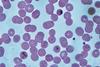
NewsStudy identifies how malaria can lead to childhood cancer
New data has uncovered the role of Plasmodium falciparum infection (malaria) in the development of Burkitt lymphoma (BL), the most common childhood cancer in equatorial Africa and New Guinea.
-
 News
NewsGut microbes release cancer-fighting bile acids that block hormone signals
Bacteria naturally present in the human intestine can transform cholesterol-derived bile acids into powerful metabolites that strengthen anti-cancer immunity by blocking androgen signaling, according to a preclinical study.
-
 News
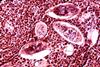
NewsParasitic infection and treatment linked to cancer-related gene activity in the cervix
New research has revealed that Schistosoma haematobium, a parasitic infection affecting millions globally, can trigger cancer-related gene activity in the cervical lining, with changes becoming even more pronounced after treatment.
-
 News
NewsBacteria-enhanced graphene oxide nanoparticles for triple-action tumor eradication
Researchers developed graphene oxide nanoparticles that combine chemotherapy, immune activation, and photothermal heating to effectively destroy tumors. The novel GO nanocomposite is enhanced with bacterial components.
-
 News
NewsYellow pigment from Streptomyces coelicolor offers potential weapon against breast cancer
A new study aims to explore the effect of a yellow pigment (OR3), from a new isolate of Streptomyces coelicolor JUACT03 on metastatic breast cancer.
-
 News
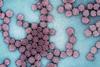
NewsGrowing body of evidence links HPV with heart disease
In addition to causing several types of cancer, human papillomavirus (HPV) appears to bring a significantly increased risk of heart disease and coronary artery disease, according to a study.
-
 News
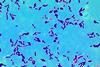
NewsProbe into human cervical stem cells shows lactic acid bacteria can prevent cervical cancer
Researchers have revealed the identity and differentiation process of human cervical stem cells in a world first study. The results showed that lactic acid bacteria can inhibit the development of cervical cancer.
-
 News
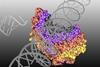
NewsMovie reveals DNA unzipping mechanism with implications for viral and cancer treatments
A detailed unwinding mechanism of the double-stranded DNA has been uncovered for the first time using cutting-edge technology, revealing how cells begin the crucial process of copying their genetic material.
-
 News
NewsHelicobacter pylori treatment practices in the Asia-Pacific region
Researchers conducted an online survey of clinicians in the Asia-Pacific region to investigate treatment policies for H. pylori and confirmed that there is a growing consensus of the importance of primary and secondary prevention against H. pylori.
-
 News
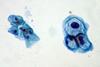
NewsNew study highlights gaps in HPV-related cancer prevention for people living with HIV
A new study reveals gaps in knowledge surrounding the prevention of HPV-related cancers in people living with HIV and outlines future research priorities. It highlights existing disparities in healthcare for this vulnerable population.
-
 News
NewsScottish biotech company Lentitek secures £1m funding to advance next generation cancer treatments
Biotech company Lentitek Ltd has secured £700,000 in private funding from Equity Gap, bringing its total investment to £1 million in the last six months. It develops manufacturing technologies for lentiviral vectors, used with CAR-T cell and gene therapies.