
All Cancer Microbiology articles – Page 13
-
 News
NewsHidden dangers and myths: What you need to know about HPV and cancer
While the human papillomavirus (HPV) is most associated with cervical cancer risk and women, a new survey commissioned by The Ohio State University Comprehensive Cancer Center – Arthur G. James Cancer Hospital and Richard J. Solove Research Institute (OSUCCC – James) shows that the majority of people are unaware that ...
-
 News
NewsStudy uncovers how low-carb diet drives colorectal cancer development
A new study suggests that a low-carbohydrate diet promotes the growth of a strain of E. coli that produces DNA-damaging colibactin, which drives genetic mutations and predisposes tumour development.
-
 News
NewsResearchers reveal key mechanism behind bacterial cancer therapy
A research team has elucidated the mechanism behind bacterial cancer therapy using a genetically engineered bacterial strain.
-
 News
NewsWorld first clinical trial will study specialized ‘poop pills’ to improve treatment of advanced pancreatic cancer
A world-pioneering fecal microbiota transplantation pill will undergo a clinical trial, aiming to improve immune responses by remodifying the gut microbiome in patients with advance pancreatic cancer.
-
 News
NewsGastric bacteria ‘leaking across stomach lining’ could indicate risk of gastric cancer
A new discovery in the roles of gastric microbiota bacteria and Helicobacter pylori across the stomach lining during pre-cancerous stage of gastric cancer development could be the missing link for engineering future therapeutic intervention.
-
 News
NewsStudy reveals how bacteria in microbiome medicine trigger tumor-killing cells
Microbiotica has presented new data on the mechanism of action of MB097, a clinical-stage drug candidate being developed as a co-therapy in combination with KEYTRUDA® (pembrolizumab) in patients with advanced melanoma.
-
 News
NewsLong-term yogurt consumption tied to decreased incidence of certain types of colorectal cancer
A new study finds that yogurt consumption over time may protect against colorectal cancer through changes in the gut microbiome. Long-term consumption of two or more servings per week of yogurt was tied to lower rates of proximal colorectal cancer positive for Bifidobacterium.
-
 News
NewsFungal protein yields new ways to modulate cell activity remotely
A new study introduces tools that remotely and non-invasively communicate with and control the activity of engineered cells once they’ve entered the body. It focuses on a fungal protein the team have developed called Melt, which can be toggled by temperature.
-
 News
NewsCould faecal microbiota transplantation help patients heal after stem cell transplantation?
A study, from a part of an ongoing clinical trial, has reported the safety of oral faecal microbiota transplantation (FMT) to help patients recover from the loss of gut microbiome after allogeneic stem cell transplantation for blood cancers.
-
 News
NewsA therapeutic HPV vaccine could eliminate precancerous cervical lesions
A therapeutic vaccine targeting human papillomavirus type 16 (HPV16) induced regression in high-grade precancerous cervical lesions, according to the results from a phase II clinical trial.
-
 News
NewsHepatitis B is a problem for a growing number of patients on immunosuppressive medications
The American Gastroenterological Association (AGA) has unveiled an updated clinical practice guideline addressing the prevention and management of hepatitis B virus reactivation (HBVr) in patients on immunosuppressive drugs.
-
 News
NewsResearch using non-toxic bacteria to fight high-mortality cancers prepares for clinical trials
A promising research study in treating high mortality late-stage cancers with a non-toxic bacterial therapy - BacID - has proven to be safe and more targeted. The newly developed treatment would undergo clinical trials with cancer patients in 2027.
-
 News
NewsOral cancer and microbiome: new insights into tumor growth mechanisms
A recent study has made significant strides in uncovering how the oral microbiome plays a crucial role in the progression of oral squamous cell carcinoma (OSCC), unveiling metabolic pathways and mechanisms that may serve as potential therapeutic targets.
-
 News
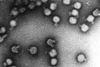
NewsRoute of entry for Semliki Forest virus into the brain revealed, yielding brain cancer treatment hope
Researchers have shown that the Semliki Forest virus enters the central nervous system by first entering the cerebrospinal fluid and binding to a specific cell type before penetrating deeper into the brain, potentially tagging the virus as an agent for treating brain cancer.
-
 News
NewsScientists explain how a compound from sea sponge exerts its biological effects
Girolline, a compound extracted from the sea sponge Pseudaxinyssa cantharella, has been investigated for possible antitumor effects and also found to have anti-malarial effects. Now researchers have a better idea of how it works.
-
 News
NewsWhat we eat affects our health — and can alter how our genes function
New research identifies the direct epigenetic effects of two common byproducts of fiber digestion and finds that some of the alterations in gene expression have anti-cancer actions.
-
 News
NewsStudy links vaginal microbiome differences to higher cervical cancer rates in Native American women
Researchers found that protective microorganisms were present at higher rates in non-Native women compared with Native American women.
-
 News
NewsStart-up EBViously announces its launch
EBViously, a spin-off of Helmholtz Munich, officially started operations on 11 November 2024. The company is developing a preventive vaccine against diseases caused by the Epstein-Barr virus (EBV).
-
 News
NewsResearchers find previously unknown links between microbial bile acids and the risk of colon cancer
Microbes living in our guts help us digest food by reshaping the bile acids that our livers produce for breaking down fats. It turns out that two of these microbially-modified bile acids may affect our risk — in opposite directions — for developing colon cancer. Source: Photo by ...
-
 News
NewsA dial for tuning the immune system: Discovery sheds light on why COVID makes some sicker than others
A new study identifies an “immune system tuning dial,” which originated as a bug in the genetic code tens of millions of years ago. When this signaling goes awry and leads the body to under or overreact, people are more likely to develop severe or Long COVID.