
All Emerging Threats & Epidemiology articles – Page 9
-
 News
NewsNew study suggests reduced newborn hepatitis B vaccination coverage may increase infant infections
Researchers found that lower vaccination coverage among infants born to unscreened mothers was associated with a substantial increase in HBV infections.
-
 News
NewsWhere people get their news influences their beliefs about vaccines
People who follow “new right” media outlets are more than twice as likely to be vaccine-hesitant compared to those who never engage with those outlets, a new study finds. Hesitant adults were more likely to rely on non-authoritative sources for health information.
-
 News
NewsGlobal Virus Network statement on H5N1 vaccine developments
The new vaccine momentum reflects the growing urgency of avian influenza (H5N1) threat and reinforces the need for coordinated global preparedness.
-
 News
NewsSeparating signal from noise: How African biostatisticians are reshaping the fight against malaria
Biostatistics is unlocking smarter malaria solutions, linking parasite diversity, vaccines, and human behaviour to drive more effective prevention and protection.
-
 News
NewsScientists highlight the cost of delaying childhood vaccination
Delaying hepatitis B vaccination after birth increases infections among newborns and decreases their survival rates and quality of life. A new study found that the longer the delay, the higher the cost in human life and health care.
-
 News
NewsStudy of influenza D in human cells and tissue hints at spillover potential
The influenza D virus that researchers say has been flying under the radar since its detection in animals in 2011 can vigorously make copies of itself in human cells and lung tissue samples, a new study shows.
-
 News
NewsNew study examines measles vaccination coverage after a postelimination outbreak
In 2022–2023, a large postelimination measles outbreak occurred in central Ohio. A study found that 20 months after the outbreak, MMR coverage across the entire primary care network (PCN) population remained well below herd immunity levels, with minimal gains.
-
 Opinion
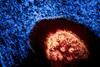
Reversing the threat: How to stop measles from spreading again
As the Global Virus Network issues a stark warning over the significant resurgence of measles in the US and globally, William J. Moss, Sten H. Vermund, and Maggie L. Bartlett set out what needs to be done if the preventable harms of the current surge are to be reversed.
-
 News
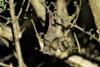
NewsScientists find a new way coronaviruses can get into human cells
An international team of researchers has identified an East African bat coronavirus capable of entering human cells. Whilst the virus can bind to a cell receptor found in the human lung, preliminary testing in Kenya suggests it has not spilled over into the local human population.
-
 News
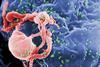
NewsWHO certifies the Bahamas for eliminating mother-to-child transmission of HIV
In a landmark achievement for Caribbean public health, the World Health Organization (WHO) congratulates The Bahamas for becoming the latest Caribbean nation to be certified as having eliminated the mother-to-child transmission of HIV.
-
 News
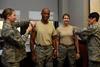
NewsFlu vaccine no longer required for U.S. military
The U.S. military is ending its long-standing requirement that service members receive the annual flu shot, a decision announced by Defense Secretary Pete Hegseth.
-
 News
NewsRising measles cases highlight gaps in vaccination coverage and public health system vulnerabilities
The Global Virus Network (GVN) is closely monitoring a significant resurgence of measles in the United States and globally, reflecting a growing vulnerability in public health systems.
-
 News
NewsMillions suffering needlessly with curable hepatitis C, new analysis reveals
Millions of Americans are still battling potentially deadly hepatitis C even though they could be cured with antiviral drugs they are not receiving, a new analysis reveals.
-
 News
NewsMaternal RSV vaccination cuts infant hospitalization risk by over 80%, major study finds
The largest real-world study of its kind shows that maternal vaccination against respiratory syncytial virus (RSV) reduces the risk of hospitalisation in young infants by over 80% when given at least two weeks before birth.
-
 News
NewsMeasles vaccine gaps persist among ER patients
A study has found critical gaps in knowledge, vaccination status, and acceptance of the measles, mumps, and rubella (MMR) vaccine among patients visiting emergency departments across the United States. It examines how misinformation and access barriers may contribute to declining vaccination rates.
-
 News
NewsFoxes and birds could be ‘early warning system’ to survey spread of antibiotic resistance into ecosystems
Wildlife monitoring could alert us to the spread of highly antibiotic resistant bacteria into unexposed ecosystems, highlighting a potential public health strategy.
-
 News
NewsFirst continent-wide map of dominant avian influenza strain explains its spread
Scientists provided the most complete view of bird flu’s spread through wild bird populations across North America, explaining how the dominant strain advanced, maintaining the risk of human infections.
-
 News
NewsExtend vaccination opportunities and involve community members in communicating about vaccines to boost uptake, say researchers
Extending vaccination opportunities, involving community members alongside healthcare professionals in communicating about vaccines, and providing financial incentives are among the most effective ways to increase vaccine uptake.
-
 News
NewsAfrican swine fever is quietly spreading across Nepal’s pig sector
A new study provides the first comprehensive analysis of African swine fever outbreaks in Nepal, revealing a disease that has quietly dismantled livelihoods, disrupted food security, and exposed deep gaps in the country’s animal health system — with no vaccine in sight.
-
 News
NewsUltrasensitive test reveals evidence of previously undetected tuberculosis in Boston Hospital patients
Researchers have discovered an unexpectedly high prevalence of Mycobacterium tuberculosis DNA (TB DNA) in patients hospitalized in Boston, suggesting that tuberculosis disease may be significantly underdiagnosed in the United States.