
All Food Science & Technology articles
-
 News
NewsCranberry juice may be a boon for oral hygiene
Pure cranberry juice may do more than add a tart kick to the holiday table. In a small human study, it slowed dental plaque growth and reduced acid production, suggesting the fruit’s natural compounds could help protect tooth enamel.
-
 News
NewsMicrobes supercharge plant nutrition
Researchers have shown that microorganisms can improve the amino acid composition of crops. A new method can make plant-based foods more nutritious and also improve animal feed. In the long term, it could help reduce nitrogen emissions from agriculture
-
 News
NewsBlueberry’s waxy shield reveals clues to gray mold resistance
Botrytis cinerea is a broad-host-range necrotrophic fungus that causes gray mold in more than 1,000 plant species. In blueberry, it can damage flowers in the field and later emerge as fruit rot after harvest, reducing shelf life, shipment quality and market value. The disease is especially challenging because latent infections ...
-
 News
NewsResearchers zap microbe DNA in the name of food safety
A new study investigates eBeam (electron beam) technology, demonstrating its ability to control food pathogens without jeopardising meat quality.
-
 News
NewsNative microbial team helps acidic soil recover while boosting crop growth
Researchers have developed a small, carefully selected community of native soil bacteria that can reduce acid stress while helping plants access essential nutrients.
-
 News
NewsMicrobes drastically change behavior outside the lab
New research shows that corn root bacteria behave completely differently when grown on a plant rather than in a lab, underscoring the importance of studying microbes in their natural setting, rather than relying solely on laboratory research.
-
 News
NewsMapping plant-fungus symbiosis, cell by cell.
Scientists have produced the first high-resolution, cell-by-cell map of how tomato roots respond to colonization by arbuscular mycorrhizal fungi, a partnership which help plants absorb nutrients from the soil.
-
 News
NewsGenome-scale model-guided microbial engineering converts agricultural waste into biodegradable bioplastics
Researchers develop a genome-scale model-guided microbial engineering platform that converts kimchi industry waste into biodegradable bioplastics.
-
 News
NewsIndustrial-scale biotech production of proteins and vitamins economically viable
Researchers are developing biotechnological methods called “power-to-protein” and “power-to-vitamin” processes which use microbes to produce proteins and vitamins for human consumption using basic chemical ingredients – entirely bypassing livestock farming and agriculture.
-
 News
NewsResearchers visualise underground fungal networks in 3D
Researchers have visualized the complex network of plant roots and mycorrhizal fungi in soil in three dimensions for the first time.
-
 News
NewsUBC seaweed-derived coating keeps strawberries fresher than a fridge
A new agar-based coating could help cut spoilage, food waste and reliance on refrigeration.
-
 News
NewsDrone index tracks wheat mildew
A new study addresses the need for rapid, field-scale monitoring of wheat powdery mildew in smallholder farms, where disease spread can be spatially uneven and difficult to capture through manual scouting alone.
-
 News
NewsSoil pH regulates the symbiosis between stink bugs and gut bacteria
A new study shows soil pH regulates the symbiosis between stink bugs and gut bacteria, revealing alternative strategies to pesticides in agricultural pest control.
-
 News
NewsCows vs plants: which milk delivers the greatest health benefits?
New research suggests that cow’s milk has the edge over plant-based alternatives when it comes to bone strength and nutrient absorption.
-
 News
NewsReducing the use of synthetic nitrogen fertiliser via improving nitrogen uptake in corn plants
A new agricultural project will help reduce the use of synthetic nitrogen fertilizer through the design of corn plants that better use nitrogen already in the soil.
-
 News
NewsNew study fills research gap in food safety to better protect pregnant women from Listeria
Researchers developed new biologically plausible dose-response models — one for maternal infection and one for stillbirth — built on data from guinea pigs and gerbils, which share key biological traits with humans relevant to listeria pathogenesis.
-
 News
NewsNew AI model improves accuracy of food contamination detection
Researchers have significantly enhanced an artificial intelligence tool used to rapidly detect bacterial contamination in food by eliminating misclassifications of food debris that looks like bacteria. Current methods often require specialized expertise and are time consuming — taking several days to a week.
-
 News
NewsTexas-grown cabbage meets global tradition in kimchi research
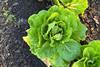
Researchers are turning Texan produce into kimchi as part of a study that links fermentation science, food safety and new market opportunities for U.S. farmers. The research examines how Texas-grown cabbage and other leafy greens perform during kimchi fermentation.
-
 News
NewsFish freshness easily monitored with a new sensor
Researchers have developed a simple, effective electronic device that quickly measures a compound that forms when decomposition starts. The prototype sensor can determine how fresh a fish is in less than two minutes.
-
 Features
Under the microscope: pasteurisation
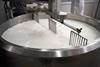
Pasteurisation is a process by which raw milk is heated to a specific temperature for long enough to kill any pathogenic bacteria, including those that can cause food-borne illnesses. In the current day, all the milk in supermarkets will have gone through a rigorous pasteurisation process before reaching our store ...