
All Frontline Microbiology articles
-
 News
NewsSimple cleaning reduced bacteria on single-use medical devices
Three simple cleaning methods reduced bacterial levels on used single-use medical devices, according to a study. The findings could prove useful as a last-resort measure during severe shortages of medical supplies in a crisis or war.
-
 News
NewsNew study uncovers the complex history of the plague after the Black Death
A new study sheds fresh light on the long and complex history of the plague by analysing the DNA of the bacterium. Researchers reconstructed 26 genomes of Yersinia pestis from archaeological sites in Estonia, Russia, England, the Netherlands, and Switzerland.
-
 News
NewsWas Nîmes depopulated by the Plague of Cyprian?
Analyses of the carbonate deposits in the aqueduct featuring the famous Pont du Gard shed light on the water supply of the ancient city of Nîmes - and support the theory that the city was depopulated by the plague.
-
 News
NewsAMI welcomes new member to its Board of Trustees
Applied Microbiology International has welcomed Professor Les Baillie as the latest member of its Board of Trustees. We also bid a fond farewell and thank you to Professor Diane Purchase who is leaving the Board.
-
 News
NewsHeatwaves inhibit antibiotic resistance in soils - but at a price
Heatwaves temporarily reduce the amount of resistance genes in the soil, but heat and droughts are also causing significant damage to soils and ecosystems. The temporary dip in resistance therefore does not mean that the health risks from antibiotic resistance disappear.
-

-
 News
NewsNew study finds bacterial infections affect about 1 in 20 hospitalized adults with firearm injuries
A new study finds that bacterial infections develop in approximately 5 percent of adults hospitalized with firearm injuries.
-
 News
NewsScientists receive DOW funding for fungal biotechnology research
Scientists have been awarded funding to develop new tools permitting high-throughput analysis of fungal genes. The grant focuses on species of Candida, which can contaminate and sometimes cause operational issues in DOW systems like aircraft fuel systems, vehicles, and electronics.
-
 News
NewsA study links armed conflict in Colombia with higher tuberculosis cases and mortality
Areas with the highest intensity of conflict between 2008 and 2019 recorded a higher disease burden, highlighting the need for control strategies tailored to each territory.
-
 News
NewsWastewater harbors high-risk antimicrobial resistance genes
Researchers found evidence of genetic material from two major bacterial groups, commonly known to exhibit high-risk resistance profiles, in wastewater samples from a large South Africa city.
-
 News
NewsScreening and preventive treatment program reduced tuberculosis incidence 83% among Tibetan children living in northern India
A study shows that significant reduction of tuberculosis (TB) transmission and burden (the total impact of health problems on a population) among schoolchildren in high-burden areas can be achieved using existing TB screening, treatment and follow-up protocols.
-
 News
NewsDigital early warning systems essential as old diseases like cholera resurge in global crisis zones
A new critical analysis examines how the convergence of climate change, economic collapse, and conflict is bringing back a preventable disease once thought to be under control.
-
 News
NewsPower grids to epidemics: study shows small patterns trigger systemic failures
Why do some systems collapse suddenly after what seems like a minor disturbance? In nature, a local disease outbreak can quickly escalate into an epidemic. New research suggests that in many cases, the key isn’t the entire system – but its smallest building blocks.
-
 News
NewsHow food shortages reprogram the immune system’s response to infection
When food is scarce, stress hormones direct the immune system to operate in “low power” mode to preserve immune function while conserving energy. This reconfiguration is crucial to combating infections amid food insecurity.
-
 News
NewsWHO calls for mental health to be central to neglected tropical disease care
A major new World Health Organization publication sets out, for the first time, a practical, evidence-based package of care to address the mental health impacts of neglected tropical diseases (NTDs) and the stigma that can prevent people from seeking care and participating fully in society.
-
 News
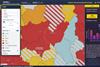
NewsNew dashboard helps predict and plan for disease outbreaks
When infectious diseases surge, response often comes down to whether communities can position the right people and supplies before case counts spike. Researchers have designed a new platform to translate academic disease forecasting into actionable guidance for decision-makers.