
All Fungi articles – Page 23
-
 News
NewsNew vaccine works against multiple fungal infections
A vaccine developed by University of Georgia researchers successfully protects against and treats vaginal yeast infections in mice, according to a study.
-
 News
NewsMushrooms could be the key to developing better materials
Researchers are studying the cell structure of fungi to learn how it determines their mechanical properties and what science can learn from that to create better materials. They analyzed their cell structures and tested them to calculate the stress loads they could handle.
-
 News
NewsScientists strive to place tens of thousands of previously unknown fungi in the evolution tree
Scientists have received a grant to systematise and describe members of the 95% majority of previously unclassified microscopic fungi, and other eukaryotic organisms not yet included in the current tree of life system.
-
 News
NewsEnzymes from fungi can help extract plant components for biofuels and bioplastics
Plant cell wall components such as cellulose are abundant sources of carbohydrates that are widely used in biofuels and bioproducts. Investigators have found that a combination of fungal enzymes can efficiently degrade plant biomass to allow for extraction.
-
 News
NewsResearchers to harness the power of fungi for water filters
A groundbreaking project exploring the power of fungi to combat agricultural pollution is making significant strides, with researchers looking to begin live field trials later this year.
-
 News
NewsResearchers examine the impact of mycoestrogen exposure on birth outcomes
Exposure to mycotoxins – a broad group of harmful substances produced by mold – during pregnancy may impact placental function, which could result in lower birthweight in humans.
-
 News
NewsIlluminated changes: Enhancing D-lactic acid output with UV irradiation
Researchers have developed a Komagataella phaffii (K. phaffii) yeast strain that can efficiently produce D-lactic acid, a raw material for pharmaceuticals and bioplastics, from methanol.
-
 News
NewsOxymatrine, a quinoline alkaloid derived from Sophora flavescens, inhibits the Malassezia biofilm
Oxymatrine not only controls Malassezia overgrowth but also manages psoriasis symptoms, offering a dual-action mechanism for safer and more effective therapy, a new study shows.
-
 News
NewsCan a psychedelic compound from mushrooms benefit people with cancer and major depression?
New results from a clinical trial reveal that a single dose of psilocybin—a naturally occurring psychedelic compound found in mushrooms—can provide sustained reductions in depression and anxiety in individuals with cancer suffering from major depressive disorder.
-
 News
NewsNew research reveals a deadly fungal pathogen’s vulnerabilities
Scientists have disovered how the lethal pathogenic fungus, Cryptococcus neoformans, thrives, allowing them to identify potential novel therapeutic targets for treatment.
-
 News
NewsScientists reveal gene pairs conferring resistance to wheat diseases
A research team led by Prof. Liu Zhiyong at the Institute of Genetics and Developmental Biology of the Chinese Academy of Sciences has identified two novel genetic mechanisms for disease resistance in wheat, offering promising strategies to enhance resilience against powdery mildew and stripe rust. The discoveries were published in ...
-
 News
NewsUrgent need to quantify role of fungal toxins in rising liver cancer rates in Ghana
There’s an urgent need to quantify the role of aflatoxins, found on agricultural crops, such as maize and peanuts, in the escalating rates of liver cancer in Ghana, as well as elsewhere in Africa and Asia, concludes a commentary.
-
 News
NewsResearchers pinpoint fungal hotspots of ‘dark taxa’ across Earth’s underground ecosystems
A new study finds that 83% of ectomycorrhizal fungi are known only by their DNA sequences that can’t be linked to named or described species, posing problems for conservation.
-
 News
NewsDrone-based tech deployed to detect subtle signs of rice blast disease
Scientists have developed a novel vegetation index—the Rice Blast Index (RBI)—using drone-based hyperspectral remote sensing technology, to rapidly and non-invasively detect subtle signs of rice blast disease and achieve precise field management.
-
 News
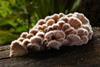
NewsNature’s toolkit: Scientists breed mushrooms to build versatile natural substitutes for commonly used materials
Scientists have shown that natural genetic variations in a common species of mushroom can be used to create new strains capable of making customized, biodegradable replacements for fabric, plastic, packaging and other environmentally harmful materials.
-
 News
NewsInfectious diseases experts raise alarm about antifungal resistance, call for global effort
Infectious disease experts are raising the alarm about the role new pesticides can play in building resistance to antifungal medical treatments, calling for a coordinated, global ”One Health” approach to developing, testing and using agents to fight pathogens.
-
 News
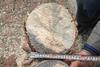
NewsScientists report well-preserved fossil blue-stain fungus from the Jurassic
A research team has found well-preserved fossil fungal hyphae preserved within a Jurassic petrified wood from northeastern China, dating back 160 million years.
-
 News
News‘What’s wrong with my lawn?’ Research points toward possible answer
A new article provides critical knowledge about large patch, a disease that can compromise the health, aesthetics and usability of turfgrass. It provides comprehensive information covering the disease’s pathology, progression and management.
-
 News
NewsFungal resistance in wheat: preserving biodiversity for food security
Researchers have found traditional wheat varieties from Asia that harbor several genes that confer resistance against yellow rust. They may serve as a durable source of yellow rust resistance in commercial varieties in the future.
-
 News
NewsBacteria hitch a ride on yeast puddles to zoom around
Researchers found that bacteria can speed up by using the fluid pockets shaped by neighboring yeast cells. These microscopic moisture trails allow bacteria to swim farther and spread faster—revealing a new way for microbes to travel through soil, plants, and the human body.