
All human papillomaviruses articles
-
 News
NewsNew research confirms HPV vaccination prevents cervical cancer
Two new Cochrane reviews show strong and consistent evidence that HPV vaccines are effective in preventing cervical cancer and pre-cancerous changes, especially when given to young people before they are exposed to the virus.
-
 News
NewsTherapeutic vaccination against HPV-related tumors: Nanoparticles make the difference
Researchers have developed a therapeutic vaccination concept that can mobilize the immune system to target cancer cells. Virus peptides coupled to silica nanoparticles can elicit effective T-cell responses against HPV-related tumors. In a mouse model, the nanoparticle-based vaccine was able to partially or completely suppress HPV-related tumors.
-
 News
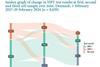
NewsCohort data from Denmark show real-world evidence of stable protection against HPV-related cervical cancer
Denmark has been offering free vaccination against human papillomavirus (HPV) to girls since 2008. New data show vaccination has effectively reduced infections with cancerogenic HPV 16/18 types covered by the vaccine, indicating population immunity.
-
 News
NewsResearchers find compound that inhibits cutaneous HPVs
Researchers have identified a promising new compound that inhibits cutaneous HPV. In lab studies, the compound inhibited viral replication genes in cutaneous HPVs without damaging host cells.
-
 News
NewsMovie reveals DNA unzipping mechanism with implications for viral and cancer treatments
A detailed unwinding mechanism of the double-stranded DNA has been uncovered for the first time using cutting-edge technology, revealing how cells begin the crucial process of copying their genetic material.
-
 News
NewsChanges in microbiome predict risk for sexually transmitted disease
Researchers have found that bacterial vaginosis consists of two subtypes—one of which significantly increases the risk of developing chlamydia infections.
-
 News
NewsNew method can help scan for new viruses on the horizon
The exchange of genetic material between different virus species can lead to the sudden emergence of threatening pathogens with significantly altered characteristics, new current genetic analyses suggests.