
All Imperial College London articles – Page 3
-
 News
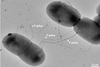
NewsMapping evolution of E. coli virulence factor offers refined drug target
Researchers have presented evidence that targeting the K1 capsule can be used as the basis of treatment, paving the way to prevent serious E. coli infections.
-
 News
NewsBacteria’s antibiotic-evading super polymers do best in harsh conditions of the gut
New research has shown that gut bacteria’s extracellular appendages known as F-pili are stronger in the turbulent conditions of the gut, helping the bacteria transfer resistance genes to each other more efficiently and to clump into ‘biofilms’ – protective bacterial consortia – that help them fend off antibiotics.
-
 News
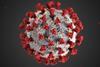
NewsSpread of COVID-19 in households linked to virus on hands and surfaces, say researchers
A new Imperial College London-led study provides the first empirical evidence for transmission of SARS-CoV-2 via people’s hands and frequently touched household surfaces.
-
 News
NewsMicrobes that co-operate contribute more carbon emissions
Communities of microbes that work together release more carbon dioxide than competitive communities, contributing more to climate change, a new study reveals.
-
 News
NewsBright orange lichens use their pigments as a ‘sunscreen’ while avoiding toxic effects
Fungi in orange lichens can avoid the toxic effects of bright pigments, allowing them to handle high UV loads.
-
 News
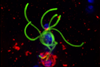
NewsResearchers uncover how new class of antimalarial compounds can target parasite
Researchers at Imperial College London, UK, have discovered how a new class of antimalarial compounds can target and kill the malaria parasite in a unique way.
- Previous Page
- Page1
- Page2
- Page3
- Next Page