
All Infection Prevention & Control articles – Page 47
-
 News
NewsNew tools saved a million lives from malaria last year but progress under threat as drug resistance rises
Wider use of new tools against malaria, including dual-ingredient nets and WHO-recommended vaccines helped to prevent an estimated 170 million cases and 1 million deaths in 2024, according to WHO’s annual World Malaria Report.
-
 News
NewsResearchers use ‘brain-on-a-chip’ to revolutionize fight against deadly encephalitis viruses
A transparent chip no larger than a stick of gum is helping scientists transform the way researchers study the human brain and develop treatments for some of the world’s deadliest viruses.
-
 News
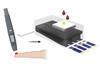
NewsNew test distinguishes vaccine-induced false positives from active HIV infection
A new device correctly identified those with active HIV-1 infection 95% of the time and those without active infection but with vaccine-induced molecules that could trigger a false positive, 98% of the time.
-
 News
NewsStudy shows common childhood virus can drive bladder cancer development
Tackling a common childhood virus could open the door to preventing bladder cancer, according to new research. The study suggests that a virus most people pick up in childhood can trigger the type of DNA damage that can lead to bladder cancer later in life.
-
 News
NewsAntibiotics could trigger immune response through gut microbiome metabolites
Researchers report how one of the most abundant gut bacteria responds to tetracyclines, a class of commonly prescribed antibiotics. Newly characterized signals released by the bacterium could aid the host’s immune response, inhibit pathogens and restructure the gut microbiome.
-
 News
NewsStudy links childhood vaccination to lower risk of drug-resistant bacteria
Children in Guatemala who received a common vaccine that helps prevent pneumonia were less likely to carry antibiotic-resistant bacteria, according to a new study examining whether rotavirus (RV) and pneumococcal (PCV13) vaccines reduce gut colonization by a group of bacteria.
-
 News
NewsCommon water pill may help HIV medicines work faster and reduce inflammation, early study suggests
Adding a readily available diuretic to standard HIV therapy appears to reduce circulating virus by four-fold, a new study shows. Researchers treated HIV-infected mice with human immune cells with first‑line antiretroviral therapy plus a long‑acting form of spironolactone.
-
 News
News‘Creeping catastrophe’: Climate change is driving global rise in infectious diseases, leading health experts warn
Infectious diseases such as malaria, dengue, and tuberculosis are considered to pose as great a challenge to global health as new or emerging pathogens, according to a study. Participants reported that climate change, poverty, and drug resistance are combining to create an escalating health crisis.
-
 News
NewsPresurgical vaccine may prevent orthopedic device infections
Researchers have developed a novel presurgical vaccine strategy that may prevent dangerous infections in patients receiving hip, knee, and other joint replacements, creating an injectable scaffold designed to stimulate the immune system.
-
 News
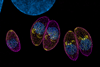
NewsToxoplasmosis: How a deadly parasite infects its host cells
Researchers have discovered how the parasite Toxoplasma gondii builds a specialised structure that allows it to move and invade host cells. They identified two proteins that control how the conoid complex is assembled - this acts like an engine for movement and cell-invasion.
-
 News
NewsPositive signs in the fight against superbugs: CHINET 2024 surveillance report
The 2024 CHINET antimicrobial resistance surveillance report uncovers a hopeful trend in China’s battle against bacterial resistance, with a significant reduction in resistance among several key pathogens.
-
 News
NewsPathogens are the biggest threats at festivals and mass gatherings
A comprehensive review led by public health experts reveals that infectious disease outbreaks and foodborne illnesses are the most common public health threats at youth-focused mass gatherings, ranging from music festivals and cultural celebrations to sporting and religious gatherings.
-
 News
NewsLargest study of nose microbiome helps highlight those at risk of staph aureus infection
People who persistently carry Staphylococcus aureus (S. aureus) in their nose have fewer species of other bacteria, while certain bacteria may help to prevent S. aureus colonisation, according to the findings of the largest-ever study of the nasal microbiome.
-
 News
NewsAnts signal deadly infection in altruistic self-sacrifice
Researchers have discovered that terminally ill ant brood, like infected cells, release an odor signaling their impending death and the risk they pose. This sophisticated early warning system facilitates rapid detection and removal of pathogenic infections.
-
 News
NewsAsia PGI and partners unveil preview of PathGen: New AI-powered outbreak intelligence tool
Asia Pathogen Genomics Initiative (Asia PGI) has offered the first public preview of PathGen, an AI-powered sense-making and decision-making support platform of pathogen genomics and contextual data.
-
 News
NewsA molecule opens a breach in HIV, providing access to its reservoirs
An international team has unveiled how a molecule capable of opening the “shell” of HIV improves the elimination of infected cells. The study demonstrates how a new CD4-mimetic compound, CJF-III-288, modifies the HIV envelope protein structure to allow for a better immune response.
-
 News
NewsResearchers identify why some people with HIV achieve remission after antibody treatment
Researchers have discovered why some people living with HIV who are given broadly neutralizing anti-HIV antibodies (bNAbs) can safely stop taking standard, lifelong HIV medications and maintain control of the virus for years, while others given the same treatment do not achieve this remission.
-
 News
NewsThe immune system creates its own targets within viruses
A new study reveals that our immune system does more than defend against viruses. In certain cases, it induces mutations within viruses that make them easier to recognize later on.
-
 News
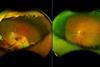
NewsBridging controversy: New international guidelines redefine diagnosis and treatment of fungal eye infections
A global expert panel from the Asia-Pacific region has now issued 20 consensus statements providing comprehensive, evidence-based guidance for the diagnosis and management of a sight-threatening condition - fungal endophthalmitis.
-
 News
NewsPoint-of-care rapid tests can improve screening for latent tuberculosis
A new test shows promising results for detecting latent tuberculosis infection in resource-limited settings. Latent tuberculosis is often diagnosed using a laboratory test called QuantiFERON-TB Gold Plus - this was compared with another test, TB-Feron.