
All Infectious Disease articles – Page 23
-
 News
NewsPegylated interferon-based treatment improves response rates in immune-tolerant patients with chronic hepatitis B
A new study aimed to investigate the efficacy and predictive factors of a pegylated interferon (Peg-IFN)-based treatment strategy in IT patients with chronic HBV infection.
-
 News
NewsScientists make groundbreaking discovery – and find a possible new ally – in the opioid crisis
Scientists analyzed used hypodermic needles from a needle exchange program to better understand what narcotics actually were in the needles and determine if any non-viral pathogens were present.
-
 News
NewsHospital wastewater reveals drug-resistant fungus strains months before patients show symptoms
A study reveals that sampling raw wastewater closer to the source — sewer lines that directly serve hospitals, retirement homes, and long-term care facilities — allows scientists to detect drug-resistant strains of Candida auris as many as five months before patients begin showing symptoms.
-
 News
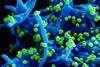
NewsScientists harness T cells to help the body fight entire viral families
Scientists have discovered that combining key vaccine ingredients could give the body the tools it needs to fight the entire family of arenaviruses with a single vaccine, protecting against life-threatening infections from Lassa virus, Junin virus, and other arenaviruses with pandemic potential.
-
 News
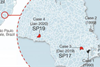
NewsSabiá virus has been circulating in Brazil for 142 years and mutating, study finds
Researchers developed a new method and identified the infection in two patients who died from acute hemorrhagic and neurological syndrome in São Paulo in 2019 and 2020.
-
 News
NewsPatent targets viruses with a breakthrough from linseed oil
A common vegetable oil may hold the key to fighting some of the world’s most dangerous viruses. Scientists have patented a linseed oil polyol-derived compound shown to inhibit viral infections including HIV and SARS-CoV-2 as well as bacterial infections causing strep and staph.
-
 News
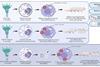
NewsA hypovirulent mycovirus alters stress response and virulence in Talaromyces marneffei
A new study identifies the mycovirus TmNV1 as the first narnavirus discovered in T. maneffei, functioning as a potent virulence attenuator. Coinfection with TmPV1 further amplifies these hypovirulent phenotypes.
-
 News
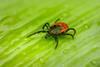
NewsTicks are ‘spreading like wildfire’ - and more of them are carrying Lyme
Not only are tick numbers growing in the US, but today’s ticks are more likely to carry Lyme disease bacteria and other dangerous pathogens. Researchers have noticed a greater diversity of ticks, suggesting a complex pattern of movement and perhaps the introduction or reintroduction of animals, including birds.
-
 News
NewsBacterial STIs reach record highs in Europe, and congenital syphilis cases nearly double
New figures indicate a surge in bacterial sexually transmitted infections (STIs) across Europe. In 2024, notifications of gonorrhoea and syphilis, alongside congenital syphilis, reached their highest levels in over a decade, reflecting sustained transmission across multiple countries.
-
 News
NewsHealthcare utilization disruptions continue in post-COVID China
Although China’s stringent public health policy, Dynamic Zero-Covid, was lifted in late 2022, researchers have discovered substantial, long-term declines in outpatient clinic visits and hospitalizations compared to expected levels from 2020 to 2024 in China.
-
 Careers
 The First Microbiome Symposium of Puerto Rico and the Caribbean – new success for the COBRE Center for Microbiome Sciences
The inaugural Microbiome Symposium of Puerto Rico and the Caribbean marked a major milestone for microbiome science in the region and reinforced Puerto Rico’s growing leadership in interdisciplinary biomedical research, says chair Filipa Godoy-Vitorino of the University of Puerto Rico.
-
 News
News‘Invasional mutualism’ between honey bees and myrtle rust pathogen
Newresearch has found that the Western honey bee - an introduced species to Australia - and the devastating, invasive plant fungus known as myrtle rust (Austropuccinia psidii) may have formed a mutually beneficial relationship known as an ’invasional mutualism’.
-
 News
NewsGlobal Virus Network experts urge rapid regional action as Bundibugyo Ebola outbreak raises cross-border concerns
The Global Virus Network (GVN) calls for greater global financial, logistical and research support for the local response to the rare Bundibugjo Ebola virus outbreak in Africa. The spread of this virus, largely undetected, was declared a global public health emergency by the World Health Organization.
-
 News
NewsNew research offers practical biosecurity tools to limit poultry disease spread
New research could help producers better protect poultry flocks from disease outbreaks while reducing costs. By identifying where contamination occurs and how to interrupt those pathways, the research helps move biosecurity from theory to action, offering tools that can protect animal health and support a more stable food supply.
-
 News
NewsCOVID racism driven by more than fear of infection
Anti-Asian discrimination and violence increased during COVID, and new research has revealed one key psychological driver. Rather than being driven by a fear of infection, aggressive forms of discrimination appeared to be more strongly associated with anger.
-
 News
NewsClimate change and emerging diseases pose challenges for physicians
Climate change is affecting the local ecology in Canada, contributing to emerging tick- and mosquito-borne diseases and infections in humans, argue scientists.
-
 News
NewsNew molecules can offer breakthrough in fight against antibiotic resistance
Researchers have shown how TriPcides can target the bacterium Staphylococcus aureus, including antibiotic‑resistant strains such as MRSA. The compounds disrupt the bacteria’s ability to cause infection and can also kill dormant bacterial cells, which are often difficult to treat with existing antibiotics.
-
 News
NewsSweeping up dust to detect emerging viruses
Gathering dust from buildings may hold promise as a more efficient way to track viral outbreaks in indoor settings, according to a new study. After collecting nearly 30 vacuumed dust samples from different buildings, researchers simultaneously identified the presence of 54 distinct viruses.
-
 News
NewsHidden small RNA determines if cholera bacterium can infect humans
Scientists have uncovered what gives Vibrio cholerae, the bacterium that causes cholera, the ability to colonize the human gut. They found that a small RNA embedded within another gene controls where cholera thrives, a discovery that could improve prediction and prevention strategies.
-
 News
NewsOne-fifth of pregnant women aren’t properly screened for syphilis
A new study found that 1 in 5 pregnant women in Ontario did not receive timely syphilis screening, which is critical for preventing syphilis infection in newborns. Sociodemographic and behavioural risk factors associated with being screened late may be related to an increased likelihood of inadequate prenatal care access.